
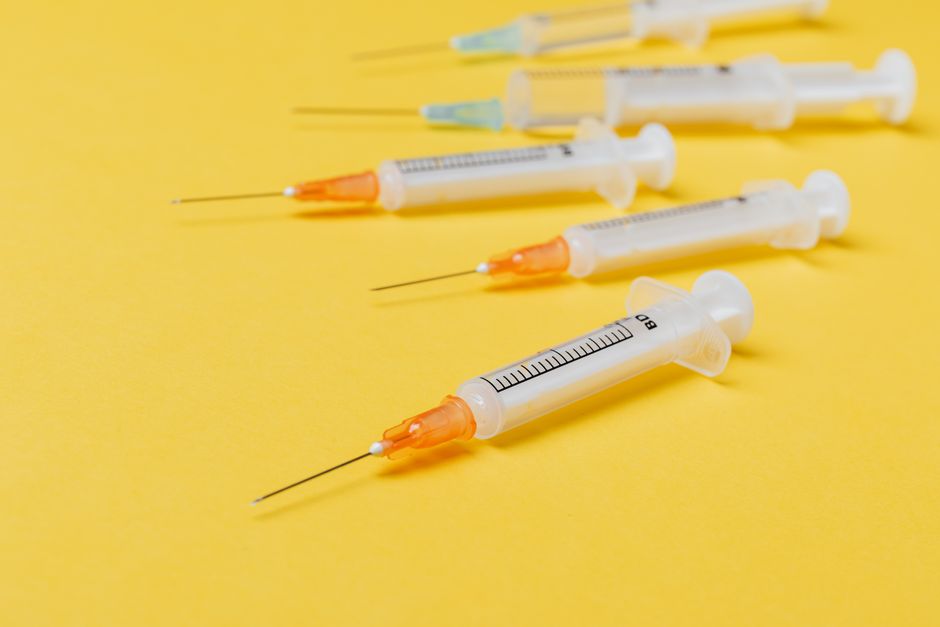
Kinrix is a combination vaccine given to children before they start kindergarten. It protects against four diseases in a single shot: diphtheria, tetanus, pertussis (whooping cough), and polio. The vaccine is made by GlaxoSmithKline and is approved by the U.S. Food and Drug Administration for children between 4 and 6 years old.
It is designed for the fifth dose of the DTaP series and the fourth dose of the polio series. Doctors use it to complete those childhood immunization schedules without giving multiple injections. The most common side effects are mild and temporary, including soreness at the injection site, low-grade fever, and fussiness. Serious reactions are rare.
What Is Kinrix Vaccine and How Does It Work?
Kinrix is a single injection that combines two vaccines that used to be given separately. One part is DTaP, which protects against diphtheria, tetanus, and pertussis. The other part is IPV, which stands for inactivated poliovirus vaccine.
The vaccine works by introducing killed or weakened pieces of these bacteria and viruses into the body. The immune system recognizes these components as foreign and builds defenses against them. If the child is later exposed to the real bacteria or virus, the immune system can respond quickly and prevent illness.
Because the polio component uses inactivated virus, there is no risk of getting polio from the vaccine. The diphtheria and tetanus components use toxoids, which are modified toxins that trigger immunity without causing disease. The pertussis component contains inactivated bacterial parts.
This combination approach reduces the number of shots a child receives at one visit. That matters for children in the 4-to-6 age range, who may need several vaccines before school entry.
What Is Kinrix Vaccine Used For?
Kinrix is used as the fifth dose of the DTaP series and the fourth dose of the polio series in children who have already received earlier doses of those vaccines. It is not meant to start a vaccination series.
The CDC recommends that children get their final DTaP dose and their final polio dose between ages 4 and 6. Kinrix allows both to be given at the same visit. Doctors may use it when a child is due for both vaccines at the same time.
Kinrix is not approved for children younger than 4 or older than 6. It is also not for adults. If a child needs only one of the two vaccines, a different product would be used.
Some children who have not completed the earlier doses may need a different schedule. In those cases, a healthcare provider would decide which vaccines are appropriate.
Who Should Get Kinrix Vaccine?
Kinrix is intended for children who are at least 4 years old and have completed the earlier doses in the DTaP and polio series. Most children in the United States receive their fifth DTaP dose and fourth polio dose at this age.
Before giving Kinrix, a healthcare provider will review the child’s vaccination history. The child must have received the appropriate number of prior doses. If records are unclear or incomplete, the provider may adjust the plan.
Kinrix is not for every child. It should not be given to children who have had a serious allergic reaction to any ingredient in the vaccine, including certain antibiotics or other components. Children with a known allergy to any part of the vaccine should not receive it.
Children with moderate or severe illness at the time of the visit may need to wait until they recover. A minor cold without fever is usually not a reason to delay vaccination, but a provider should make that call.
Children with certain neurologic conditions may need special consideration before receiving pertussis-containing vaccines. Parents should share the child’s full medical history with the provider.
What Are the Side Effects of Kinrix Vaccine?
Most side effects from Kinrix are mild and go away within a few days. The most common reactions involve the injection site and general feelings of discomfort.
Common side effects reported include:
- Pain, redness, or swelling where the shot was given
- Low-grade fever
- Fussiness or irritability
- Drowsiness
- Loss of appetite
These reactions are signs that the immune system is responding to the vaccine. They are not a sign that something is wrong. Most resolve on their own without treatment.
More serious reactions are rare. They can include high fever, severe allergic reaction, or prolonged crying. A severe allergic reaction, called anaphylaxis, is very rare but can occur within minutes to hours after vaccination. This is why children are usually asked to wait in the clinic for a short time after getting the shot.
Any serious reaction should be reported to a healthcare provider right away. Parents can also report reactions to the Vaccine Adverse Event Reporting System, a national program run by the CDC and FDA.
How Is Kinrix Vaccine Given?
Kinrix is given as an injection into the muscle, usually in the upper arm or thigh. A healthcare provider administers it in a clinic or doctor’s office.
The dose is 0.5 milliliters, which is standard for this vaccine. It is given as a single injection. No additional doses of Kinrix are needed after this one.
Before the shot, the provider will check the child’s vaccination records and ask about any allergies or recent illnesses. After the shot, the child may be asked to stay for observation for a short period.
Parents can help by holding the child still during the injection and offering comfort afterward. Applying a cool cloth to the injection site may help with soreness.
How Does Kinrix Compare to Other Combination Vaccines?
Kinrix is one of several combination vaccines used in childhood schedules. Another product, Pediarix, also combines DTaP, polio, and hepatitis B, but it is approved for a younger age range. Kinrix does not contain the hepatitis B component.
Another option is Quadracel, which also combines DTaP and polio for the same age group. Both Kinrix and Quadracel are approved for the fifth DTaP dose and fourth polio dose in children 4 to 6 years old.
The choice between these products often comes down to what a clinic has available and what the child needs. A healthcare provider makes that decision based on the child’s vaccination history and any specific needs.
Combination vaccines reduce the number of shots a child receives. That can mean fewer office visits and less discomfort. The immune system can handle multiple vaccine components at once without being overwhelmed.
What Should Parents Know About Safety and Timing?
Kinrix has been studied in clinical trials and has a safety profile similar to other DTaP and polio vaccines. The most common reactions are mild and temporary. Serious reactions are rare.
The timing of the dose matters. Kinrix is meant to be given between ages 4 and 6, when children are due for their final DTaP and polio doses. Giving it earlier or later may not fit the recommended schedule.
Parents who have concerns about vaccines should talk with their child’s healthcare provider. The provider can explain the risks and benefits and answer questions. Delaying or skipping vaccines leaves children vulnerable to diseases that can cause serious illness.
Diseases like pertussis and polio are still present in the world. Pertussis outbreaks continue to occur in the United States. Polio has been eliminated in the U.S. but remains in a few other countries, which means the risk of importation exists. Vaccination protects both the individual child and the community.
Frequently Asked Questions
What is Kinrix vaccine used for?
Kinrix is used to protect children ages 4 to 6 against diphtheria, tetanus, pertussis, and polio. It is given as the fifth DTaP dose and the fourth polio dose.
What are the most common side effects of Kinrix?
The most common side effects are soreness at the injection site, low-grade fever, and fussiness. These usually go away within a few days.
Is Kinrix safe for my child?
Kinrix has been studied in clinical trials and has a safety profile similar to other DTaP and polio vaccines. Serious reactions are rare, but parents should talk with their child’s doctor about any concerns.
Can Kinrix be given to children younger than 4?
No, Kinrix is approved only for children between 4 and 6 years old. Younger children would receive different vaccines on a different schedule.
