
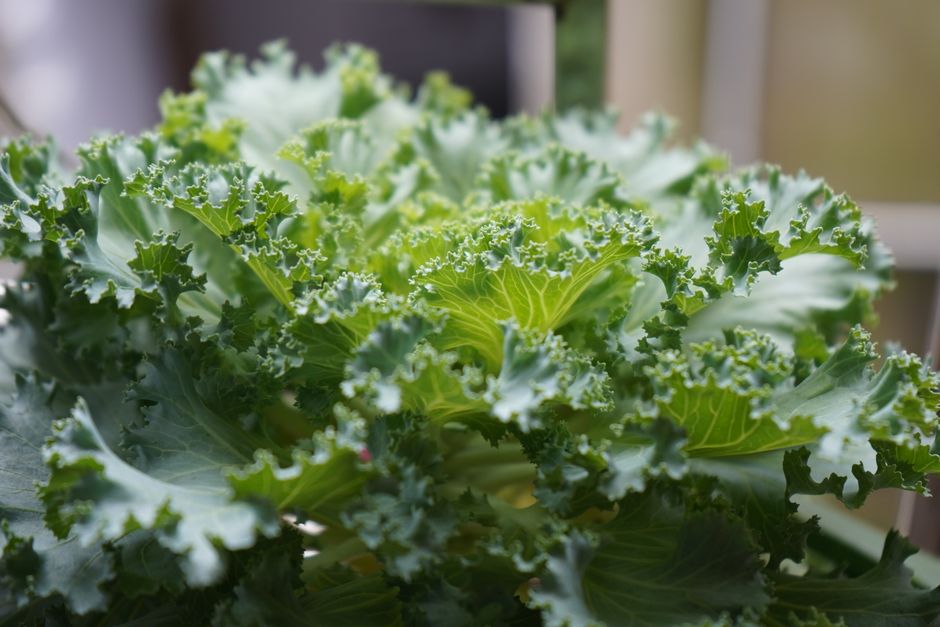
Kale is a leafy green vegetable from the cabbage family, known scientifically as Brassica oleracea. It is one of the most nutrient-dense foods you can eat, packed with vitamins A, C, and K, plus minerals like calcium and potassium. People eat it raw in salads, cooked in soups and stir-fries, or blended into smoothies for a serious nutritional boost.
What Is Kale Vegetable? Simplified
Kale is a cruciferous vegetable, which puts it in the same plant family as broccoli, Brussels sprouts, and cauliflower. What makes kale stand out is its dense nutritional profile. A single cup of raw kale contains more vitamin C than an orange and more vitamin K than most other common vegetables. It also provides fiber, antioxidants, and compounds that scientists are actively studying for their effects on chronic disease.
The leaves are typically dark green and curly, though some varieties have flat leaves or purple coloring. The texture is firm and slightly chewy, and the taste ranges from mildly earthy to peppery, depending on the variety and how it is grown. Kale is a cool-season crop, which is why it is often available fresh during fall and winter months in many regions.
What Nutrients Are in Kale?
Kale is exceptionally rich in several vitamins and minerals. One cup of chopped raw kale provides about 33 calories, making it a low-calorie food with high nutrient density. That same serving contains roughly 684 micrograms of vitamin K, which is more than 500 percent of the daily value for most adults. Vitamin K plays a direct role in blood clotting and bone health.
Vitamin A comes from beta-carotene in kale, and one cup delivers over 100 percent of the daily value. Vitamin C content is also significant — about 80 milligrams per cup, which covers most of an adult’s daily need. Kale provides calcium, though the body absorbs it less efficiently than calcium from dairy products. It also contains magnesium, potassium, iron, and small amounts of B vitamins.
Kale is a source of lutein and zeaxanthin, two antioxidants that concentrate in the retina of the eye. Research has linked higher intake of these compounds with a lower risk of age-related macular degeneration, a leading cause of vision loss in older adults. The evidence is consistent enough that eye health organizations routinely recommend leafy greens as part of a protective diet.
How Does Kale Compare to Other Greens?
Kale is often compared to spinach, Swiss chard, and collard greens. Each has strengths, but kale is notable for its vitamin K and vitamin C content. Spinach has more iron and folate per serving, while kale has fewer oxalates — compounds that can interfere with mineral absorption. For people prone to kidney stones, kale is generally a better choice than spinach because it is lower in oxalates.
Collard greens are higher in calcium than kale, but they take longer to cook and have a tougher texture. Swiss chard is similar nutritionally but contains more sodium naturally. Arugula is lower in most vitamins but has a stronger peppery flavor and is often eaten raw in salads.
For most people, eating a variety of leafy greens is better than relying on any single one. Different greens provide different nutrient profiles, and variety reduces the risk of getting too much of one compound — like vitamin K — while missing others.





What Are the Health Benefits of Kale?
Kale’s health benefits come largely from its high concentration of antioxidants. These are compounds that neutralize free radicals, which are unstable molecules that can damage cells and contribute to aging and disease. The main antioxidants in kale include quercetin and kaempferol, both of which have been studied for their anti-inflammatory effects.
Some research suggests that regular consumption of cruciferous vegetables like kale is associated with a lower risk of certain cancers. The evidence is strongest for colorectal cancer, though the exact mechanism is not fully understood. Scientists believe that glucosinolates — sulfur-containing compounds in kale — break down into substances that may help protect cells from DNA damage.
Kale is also beneficial for heart health. Its fiber content helps manage cholesterol levels, and its potassium supports healthy blood pressure. One study published in a major nutrition journal found that drinking kale juice daily for three months raised HDL (good) cholesterol and lowered LDL (bad) cholesterol in people with high cholesterol. However, juice removes the fiber, so eating whole kale leaves is generally more beneficial than juicing.
For blood sugar control, kale is a low-glycemic food. It contains fiber and water, which slow digestion and prevent rapid spikes in blood glucose. People with type 2 diabetes can include kale freely in their meals without worrying about carbohydrate load.
How Should You Eat Kale?
The way you prepare kale changes both its taste and how well your body absorbs its nutrients. Raw kale is tough and slightly bitter, which puts some people off. Massaging raw kale with a little olive oil and lemon juice for a minute or two breaks down the fibrous structure and makes it more tender and palatable.
Cooking kale softens the leaves and reduces bitterness. Steaming, sautéing, or braising are all effective methods. Cooking also reduces the volume significantly — a large bunch of raw kale cooks down to a small portion, which means you can eat more of it without feeling overly full. The vitamin C content drops with heat, but the minerals and fiber remain stable.
Kale chips are a popular snack made by baking kale leaves with oil and salt until crisp. They are a reasonable substitute for potato chips, though the oil adds calories. If you are watching your salt intake, make them at home where you control the seasoning.
One important note: kale contains vitamin K, which interacts with blood-thinning medications like warfarin. If you take a blood thinner, you do not need to avoid kale entirely, but you should keep your intake consistent. Sudden large increases or decreases in vitamin K intake can affect how the medication works. Talk to your doctor about how to manage this.
Are There Any Risks or Downsides?
For most people, kale is safe to eat every day. The main concern is thyroid function. Kale contains goitrogens, compounds that can interfere with iodine uptake by the thyroid gland. In people with normal thyroid function and adequate iodine intake, eating kale is not a problem. But people with hypothyroidism or those taking thyroid medication should not consume large amounts of raw kale daily. Cooking reduces goitrogen activity significantly.
Kale is also one of the vegetables that can accumulate pesticides. The Environmental Working Group’s annual list of produce with the highest pesticide residues routinely includes kale. If you are concerned, buying organic kale is a reasonable option, though the health benefits of eating conventional kale still outweigh the risks of pesticide exposure for most people.
Some people experience digestive discomfort after eating raw kale. This is usually due to the high fiber content and the presence of raffinose, a sugar that ferments in the gut and can cause gas. Cooking kale or eating smaller portions often resolves this.
Frequently Asked Questions
Is kale healthier raw or cooked?
Both forms are healthy, but they differ. Raw kale has more vitamin C, while cooked kale allows your body to absorb more of certain antioxidants like beta-carotene. Eating both raw and cooked kale across the week gives you the widest range of benefits.
Can you eat kale every day?
Yes, most people can eat kale daily without issues. If you take blood thinners or have thyroid disease, talk to your doctor first because kale is very high in vitamin K and contains goitrogens.
Does kale have more iron than spinach?
No, spinach has more iron per serving than kale. Kale still provides a useful amount of iron, especially when paired with vitamin C, which helps the body absorb it.
How much kale is too much?
No established upper limit exists for kale in healthy people. A reasonable guideline is one to two cups of cooked kale or two to four cups of raw kale per day, which far exceeds typical intake for most Americans.
