
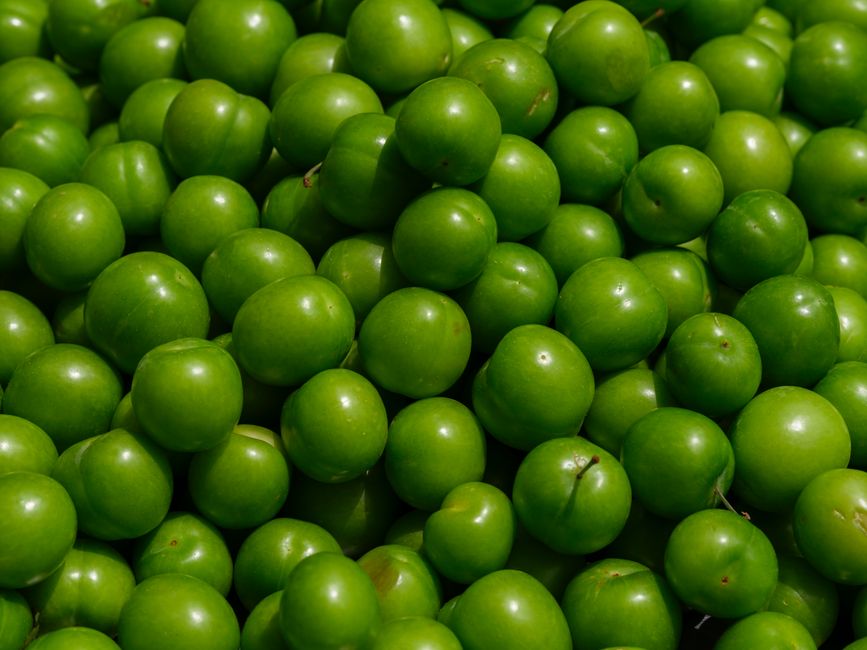
The Kakadu plum is a small green fruit native to northern Australia. It holds the highest recorded natural concentration of vitamin C of any fruit measured to date. That single fact has made it a global ingredient in supplements, skin care, and powdered drink mixes. The fruit itself is far less glamorous than the marketing built around it.
Also called the gubinge, billygoat plum, or bush plum, it has been eaten by Aboriginal communities in the Kimberley and Arnhem Land regions for thousands of years. It grows on a scrubby tree that tolerates harsh heat and poor soil. What it does inside the human body is more ordinary than supplement labels suggest.
What Is Kakadu Plum Australias Vitamin C Superfruit?
The Kakadu plum is the fruit of Terminalia ferdinandiana, a tree in the same plant family as almonds and Indian gooseberry. It grows wild across northern Australia and parts of the Northern Territory. The fruit is roughly the size of an olive, with a tart, fibrous flesh around a single pit.
Its reputation rests almost entirely on vitamin C content. Measured values vary widely by source, harvest, and how the fruit is handled, but the fruit consistently ranks at or near the top of all tested natural sources. For context, an orange contains roughly 50 milligrams of vitamin C per 100 grams of fruit. Published analyses of Kakadu plum have reported values many times higher, though the exact figure shifts depending on ripeness, growing conditions, and processing.
That variability matters. A supplement label claiming a specific vitamin C amount is describing that product, not the fruit in general. The fresh fruit and a dried powder are not the same thing nutritionally.
How Much Vitamin C Does Kakadu Plum Actually Contain?
The honest answer is that the range is wide and the number on a package should be read carefully. Vitamin C degrades with heat, light, oxygen, and time. Fresh fruit picked at peak ripeness and tested quickly shows the highest values. Fruit that has been transported, stored, or dried shows lower ones.
Several factors drive the variation:
- Ripeness at harvest — vitamin C content changes as the fruit develops
- Growing location and soil — wild and cultivated fruit differ
- Processing method — freeze-drying preserves more than heat drying
- Storage time and conditions — vitamin C is unstable once the fruit is broken down
This is not a flaw unique to Kakadu plum. It is true of nearly every plant food. The difference is that Kakadu plum is marketed on a single number, and that number is often the highest one ever recorded rather than a typical value.
For comparison, here is how several foods stack up on vitamin C per 100 grams of raw edible portion, using widely cited reference values. Kakadu plum is listed as a range because published figures vary substantially by source.
| Food | Approximate Vitamin C (mg per 100 g) |
|---|---|
| Kakadu plum | Highly variable; among the highest recorded of any fruit |
| Guava | About 228 |
| Red bell pepper | About 128 |
| Kiwi | About 93 |
| Orange | About 50 |
| Strawberry | About 59 |
The takeaway is not that Kakadu plum is worthless. It is that the gap between the fruit and a common bell pepper is smaller in practical terms than the marketing implies.
Why Does Vitamin C Matter for the Body?
Vitamin C is a water-soluble nutrient the human body cannot make on its own. It is required for the synthesis of collagen, the protein that gives structure to skin, blood vessels, tendons, and bone. It also acts as an antioxidant and helps the body absorb iron from plant foods.
Severe deficiency causes scurvy, a condition marked by bleeding gums, poor wound healing, and joint pain. Scurvy is rare in the United States today but not extinct, and it still appears in people with very restricted diets.
What vitamin C does not do is prevent the common cold in most people. Decades of research have examined this question. The evidence indicates that regular vitamin C supplementation does not reduce how often adults get colds. It may slightly shorten how long a cold lasts, and it may help people under extreme physical stress, such as soldiers in cold environments or marathon runners. For the average person, the effect is small.
This is a useful reality check. A fruit being high in vitamin C does not make it a cure for anything. It makes it a source of a nutrient most Americans already get enough of.





Are the Other Claims About Kakadu Plum Supported?
Kakadu plum is also rich in plant compounds called polyphenols, including ellagic acid and gallic acid. These are antioxidants found in many fruits and vegetables. Test-tube studies show antioxidant activity in Kakadu plum extracts. What happens in a petri dish does not reliably translate to what happens in a human body.
Marketing for Kakadu plum often claims it supports skin health, reduces signs of aging, or boosts immunity. Here is where the evidence actually sits:
- Skin care: Vitamin C is used in some topical products and has been studied for skin effects. Whether Kakadu plum extract specifically produces those effects in human skin has not been established in large controlled trials.
- Immunity: Vitamin C supports normal immune function, but “boosting” immunity is not a defined medical outcome. No study shows Kakadu plum prevents infection better than other vitamin C sources.
- Antioxidant benefits: Test-tube antioxidant activity is not the same as demonstrated health benefit in people. Many antioxidants that look promising in the lab fail to show benefit in human trials.
No clinical evidence currently confirms that Kakadu plum provides health benefits beyond those of vitamin C and polyphenols from any other fruit. That is not a criticism of the fruit. It is a statement about what has and has not been studied.
Is Kakadu Plum Safe to Eat or Use?
The fruit has a long history of food use by Aboriginal communities, which is meaningful context for its safety as a food. For most people, eating Kakadu plum or taking it in food amounts is unlikely to cause harm.
High doses of vitamin C from any source can cause digestive upset, including diarrhea and stomach cramps. People with a history of kidney stones may want to be cautious with large vitamin C doses, because vitamin C is metabolized into oxalate, a component of some kidney stones.
Topical skin care products containing Kakadu plum can cause irritation in people with sensitive skin, as can many vitamin C products. Anyone with a known allergy to the plant family should avoid it.
If you take prescription medications or have a chronic health condition, talk to a clinician before adding a concentrated supplement. Food sources are generally a different matter than high-dose isolates.
How Does Kakadu Plum Compare to Everyday Sources?
For vitamin C, an orange, a red bell pepper, or a bowl of strawberries will meet most adults’ daily needs. The recommended dietary allowance for vitamin C is 90 milligrams per day for adult men and 75 milligrams per day for adult women, with higher amounts recommended during pregnancy and breastfeeding. A single orange or half a bell pepper covers that easily.
Kakadu plum is not necessary for meeting vitamin C needs. It is an interesting food and a legitimate ingredient. It is not a required one.
Where Kakadu plum has a real edge is in its shelf stability as a dried powder and its value to the communities that harvest it. The wild harvest industry supports Indigenous enterprises in northern Australia, which is a genuine economic story separate from any health claim.
The fruit’s tartness and fibrous texture also make it useful in jams, sauces, and seasonings, where it contributes flavor as well as nutrients.
What Should You Take Away From the Hype?
Kakadu plum is a real fruit with genuinely high vitamin C content. That part is not in dispute. What is disputed, or simply unproven, is the idea that it does something for your health that other vitamin C sources cannot.
The supplement and skin care industries have a financial interest in making rare ingredients sound more powerful than common ones. A fruit from a remote region with an impressive number attached sells better than a bell pepper. But the physiology does not care where the vitamin C came from.
If you enjoy Kakadu plum products, there is no reason to stop. If you are choosing between them and a cheaper source of vitamin C, the cheaper source will do the same nutritional job. That is the honest position, and it is worth more than any label claim.
Frequently Asked Questions
Is Kakadu plum really the highest vitamin C fruit?
It is consistently measured among the highest of any fruit tested, though reported values vary widely by source and processing. No single figure applies to all Kakadu plum products.
Can Kakadu plum prevent colds?
No. Research on vitamin C in general shows it does not reduce how often adults get colds, though it may slightly shorten duration. Kakadu plum has no special cold-prevention evidence.
Is Kakadu plum safe for daily use?
As a food, it has a long history of use and is generally well tolerated. High-dose concentrated supplements can cause digestive upset, and people with kidney stone history should be cautious with large vitamin C doses.
Does Kakadu plum help skin aging?
Vitamin C plays a role in collagen formation, but no large controlled human trials confirm that Kakadu plum specifically reduces skin aging. Test-tube antioxidant activity is not proof of a skin benefit.
