
Ka’Chava is a plant-based meal replacement shake sold mostly online and through subscription. Its formula combines protein, fiber, greens, adaptogens, probiotics, and a long list of added vitamins and minerals. A single serving generally lands somewhere between $3 and $5 depending on the plan and quantity you buy, though prices shift with promotions and subscription tiers. This article breaks down what is actually in it, what the nutrition label shows, and whether the cost lines up with what you get.
What Is Ka’Chava?
Ka’Chava is a powdered drink mix marketed as an all-in-one meal replacement and “superfood” shake. It is vegan, gluten-free, and soy-free, and it blends a broad range of ingredients into one scoop.
The company positions it as a way to replace a meal or fill nutritional gaps without preparing food. That positioning matters, because it shapes both the price and the way people use it. A product sold as a full meal replacement is judged differently than a protein powder you add to a smoothie.
It is worth separating two very different things here. A meal replacement needs to deliver meaningful calories, protein, fat, and micronutrients in a balance that can stand in for food. A supplement is meant to top up a diet that is already mostly complete. Ka’Chava markets itself closer to the first category, but the label tells a more mixed story.
What Is the Ka’Chava Ingredients List?
The ingredient list is long, and that length is part of the marketing. More ingredients sounds like more value. Whether it delivers more benefit is a separate question, and the evidence is thinner than the label suggests.
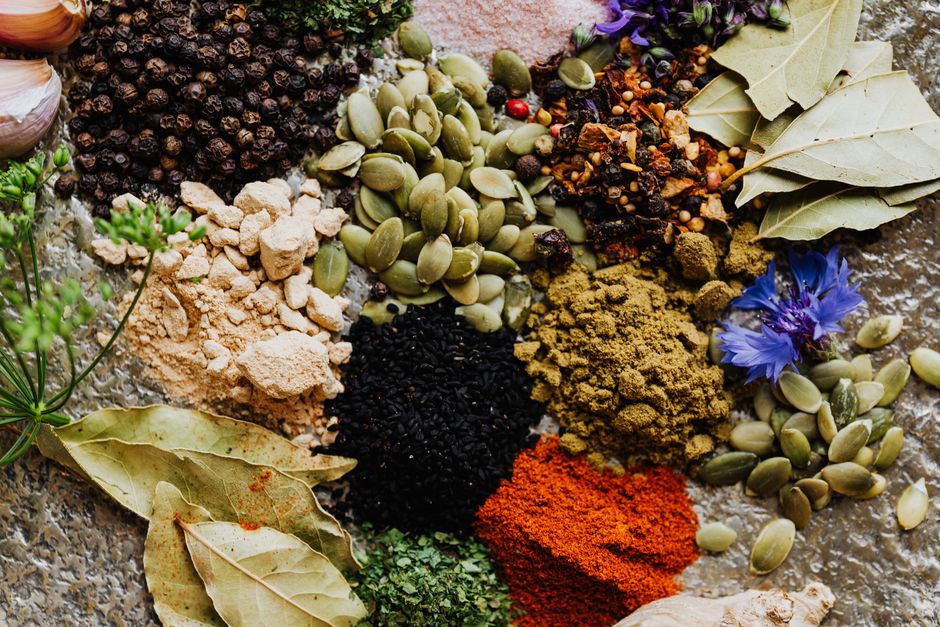
The formula typically includes these broad categories:
- Protein sources — pea protein, brown rice protein, and sometimes others, which together create a complete amino acid profile.
- Fiber — from sources like flax, chia, and chicory root.
- Greens and vegetables — powders made from spinach, kale, broccoli, and similar plants.
- Fruits — including acai, maqui, and other berries.
- Adaptogens and herbs — such as maca, ashwagandha, and reishi.
- Probiotics and digestive enzymes — added for gut health claims.
- Vitamins and minerals — a added blend to hit daily reference values.
Two things deserve honest attention. First, the amounts of many individual plant ingredients are small. When a label lists dozens of ingredients, the quantity of each one is often a fraction of a gram, and research on those plants usually studies far larger doses. Second, the adaptogens and probiotics are added in amounts that may not match what clinical studies use. That does not make them useless, but it means the label cannot promise the effects those ingredients are studied for.
This is the core issue with “kitchen sink” formulas. They can be perfectly safe and still not deliver the specific benefits each ingredient is famous for.
What Does the Ka’Chava Nutrition Facts Panel Show?
The nutrition panel is where the product becomes easier to evaluate. Exact values vary slightly by flavor and formula version, so always check the specific bag you are considering. The general profile is consistent.
A typical serving provides a substantial amount of protein, a moderate amount of fiber, and a mix of fat and carbohydrate. It is also fortified with a wide range of vitamins and minerals, often at or near 100% of the daily value for many of them.
That fortification is real and measurable. If someone struggles to eat vegetables or hit their micronutrient targets, a fortified shake can genuinely contribute. That is a legitimate benefit and worth stating plainly.
The limitation is that fortification is not the same as whole food. The vitamins added to a powder are often isolated forms, and the fiber and phytonutrients from whole plants come with a complexity that a powder does not fully replicate. A shake can supplement a diet. It is a weaker substitute for one built on real food.


What Is the Ka’Chava Cost?
Ka’Chava is priced at the premium end of the meal replacement market. Most customers pay somewhere in the range of $3 to $5 per serving, with the exact figure depending on the plan, the number of bags, and whether a subscription discount applies.
Several factors move the price:
- Subscription vs. one-time — subscribing usually lowers the per-serving cost.
- Quantity — buying more bags at once reduces the unit price.
- Promotions — introductory offers can drop the first order well below the standard rate.
To judge whether that is expensive, compare it to what it replaces. A homemade meal of protein, vegetables, and whole grains often costs less per serving. A basic protein powder plus a multivitamin costs far less. A grab-and-go lunch from a cafe often costs more.
So the honest framing is this: Ka’Chava is not cheap, but it is not priced like a budget protein powder either. You are paying for convenience and a broad ingredient list. Whether that trade is worth it depends entirely on what you would otherwise eat.
Is Ka’Chava Worth the Cost?
Whether it is worth it depends on your goal, and the answer is genuinely different for different people. There is no single correct verdict here.
It tends to make sense for people who want a fast, portable option that covers protein and micronutrients in one scoop, and who would otherwise skip a meal or eat something with little nutritional value. For that person, the convenience has real value.
It makes less sense for someone who already eats a varied diet and is mainly looking for protein. In that case, a plain protein powder delivers the same protein for a fraction of the price, and the long ingredient list adds little.
It also makes less sense as a full-time food replacement. No powdered shake is a complete long-term substitute for a varied diet, and relying on one heavily narrows the range of foods and fibers you eat. Used occasionally, that is a minor concern. Used as most of your intake, it becomes a real one.
A useful way to think about it: the product is a convenience tool, not a nutritional upgrade over real food. If convenience is what you need, the cost may be justified. If you are buying it hoping it will outperform actual meals, the evidence does not support that expectation.
Who Should Be Careful With Ka’Chava?
Most healthy adults tolerate plant-based shakes without issue. Some people should be more cautious, and a few should talk to a clinician first.
People with allergies need to read the label closely. Even though the product is soy-free and gluten-free, it contains multiple plant proteins and other ingredients that can trigger reactions in sensitive individuals.
Anyone with a medical condition, anyone taking prescription medication, and anyone who is pregnant or breastfeeding should check with a healthcare provider before using it regularly. Some of the herbal ingredients, including adaptogens, have limited safety data in pregnancy and breastfeeding. No clinical guidelines currently establish safe doses of these ingredients for those groups.
People with kidney disease or other conditions requiring controlled protein or mineral intake should also get medical guidance, since the shake is fortified and relatively high in protein.
Finally, treat the marketing claims with appropriate skepticism. Words like “superfood” and “adaptogen” are not regulated the way drug claims are. A product can be safe and honestly made and still not deliver the sweeping benefits its advertising implies.
Frequently Asked Questions
How much does Ka’Chava cost per serving?
Most customers pay roughly $3 to $5 per serving, depending on the plan and quantity. Subscription pricing and larger orders usually lower the per-serving cost.
Is Ka’Chava a complete meal replacement?
It is marketed as one and provides protein, fiber, fat, and added vitamins and minerals. It is not a full long-term substitute for a varied diet of whole foods, and relying on it heavily narrows the range of foods you eat.
Are the Ka’Chava ingredients clinically proven?
The vitamins and minerals are measurable and can contribute to nutrient intake, but the amounts of many individual plant, adaptogen, and probiotic ingredients are small. No clinical evidence currently confirms that these deliver the specific benefits studied at higher doses.
Who should avoid Ka’Chava?
Anyone with a plant-protein allergy should read the label carefully, and people who are pregnant, breastfeeding, taking medication, or managing a medical condition should consult a clinician first. Safety data for some herbal ingredients in these groups is limited.
