
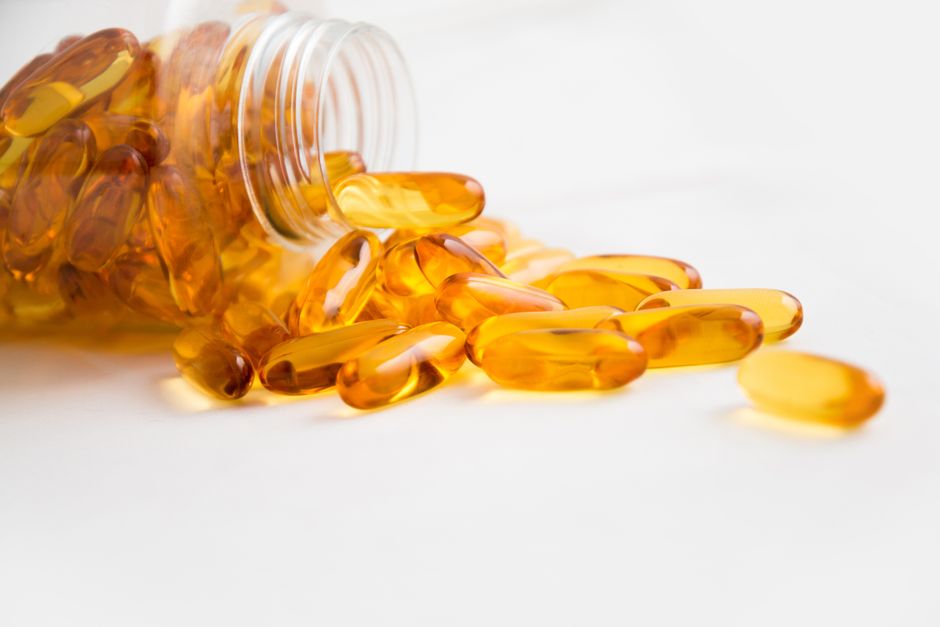
Riboflavin is vitamin B2, one of the eight B vitamins that your body needs to function. It is a water-soluble vitamin, which means your body does not store large amounts of it, and you need to get it regularly from food. Riboflavin helps your body break down carbohydrates, proteins, and fats to produce energy, and it supports the health of your skin, eyes, and nervous system.
What Is In Riboflavin and Why Does Your Body Need It?
Riboflavin is a building block for two important coenzymes: flavin mononucleotide (FMN) and flavin adenine dinucleotide (FAD). These coenzymes are essential for cellular respiration. They help your cells convert food into usable energy in the form of ATP.
Beyond energy production, these coenzymes play a role in activating other vitamins, particularly vitamin B6 and folate. Riboflavin also acts as an antioxidant. It helps your body manage oxidative stress by supporting the activity of glutathione reductase, an enzyme that recycles glutathione, one of your body’s main antioxidants.
What Foods Are High in Riboflavin?
Riboflavin is found naturally in a wide range of foods. It is also commonly added to processed grain products in the United States, which is why many breads and cereals list it on their ingredient labels.
Some of the richest natural sources include:
- Beef liver and organ meats
- Eggs
- Lean meats and poultry
- Fish, especially salmon and trout
- Milk and yogurt
- Almonds
- Mushrooms
- Leafy green vegetables like spinach
Dairy products are a major source for many people. A single cup of milk provides a meaningful portion of your daily need. For those who do not eat animal products, fortified cereals and plant milks are reliable sources. Some research suggests that the riboflavin in plant foods may be less absorbable than the riboflavin in animal foods, but a varied diet usually covers this difference.
How Much Riboflavin Do You Need Per Day?
The amount of riboflavin you need depends on your age, sex, and life stage. The National Academies of Sciences, Engineering, and Medicine publishes the Dietary Reference Intakes for riboflavin. These values are based on the amount needed to prevent deficiency and maintain normal body function.
For most healthy adults, the recommended daily allowance is 1.3 milligrams per day for men and 1.1 milligrams per day for women. Women who are pregnant need 1.4 milligrams per day. Women who are breastfeeding need 1.6 milligrams per day.
Most people in the United States get enough riboflavin from their diet alone. Deficiency is rare in developed countries. When it does occur, it is usually linked to malnutrition, alcoholism, or a diet that severely lacks dairy and meat products.
What Happens If You Have a Riboflavin Deficiency?
Riboflavin deficiency does not happen overnight. Because your body uses this vitamin continuously, symptoms develop gradually over weeks or months of inadequate intake.
Early signs of deficiency often appear in the mouth and throat. People may develop soreness and redness of the tongue, called glossitis. Cracks at the corners of the mouth, known as angular cheilitis, are also common. The lips can become dry and scaly.
Skin changes can occur as well. A greasy, scaly rash may develop around the nose, between the eyes, or on the ears. The skin may become sensitive to light. In more advanced deficiency, anemia can develop because riboflavin is needed for iron metabolism and red blood cell production.
Eye symptoms are possible, including burning, itching, and sensitivity to bright light. Some people report blurred vision. These symptoms typically resolve once riboflavin intake is restored to normal levels.
Can Riboflavin Help with Migraines?
Riboflavin has been studied as a preventive treatment for migraines. The evidence here is promising but not conclusive. Some clinical trials have found that high-dose riboflavin reduces the frequency of migraine attacks in adults.
The theory is that riboflavin improves mitochondrial function. Mitochondria are the energy-producing structures inside your cells. Some research suggests that people who get migraines may have impaired mitochondrial energy metabolism, and riboflavin may help correct that.
Studies that show benefit typically use a dose of 400 milligrams per day. That is far higher than the dietary recommendation of about 1.3 milligrams. A doctor must supervise this dose because it is a supplement-level amount, not a nutritional amount.
The evidence is not strong enough to call riboflavin a guaranteed migraine treatment. Some studies show clear benefit, while others show no difference compared to placebo. If you experience migraines, discuss riboflavin supplementation with your doctor as one possible option among many.
Is It Possible to Get Too Much Riboflavin?
Riboflavin is water-soluble, which means your body excretes any excess in your urine. High intakes from food are not a concern. Even high-dose supplements are generally considered safe because the body simply flushes out what it does not need.
One visible effect of high riboflavin intake is bright yellow urine. This is harmless. It happens because riboflavin is fluorescent, and the excess is filtered by the kidneys and eliminated.
There is no established upper limit for riboflavin from food or supplements. That does not mean unlimited amounts are beneficial. It simply means that no known toxicity has been observed at the levels people realistically consume.
Does Riboflavin Interact with Medications?
Some medications can affect riboflavin levels in the body. Certain drugs used to treat psychiatric conditions, particularly some antipsychotics, can increase the body’s need for riboflavin. Anticholinergic drugs can reduce riboflavin absorption.
Boric acid, which is sometimes used as an antiseptic, can increase riboflavin excretion. This is rarely relevant for general readers but matters for people in specific occupational or medical situations.
If you take prescription medications and are considering a riboflavin supplement, talk to your pharmacist or doctor. They can check for potential interactions based on your specific medication list.
Who Should Consider a Riboflavin Supplement?
Most people do not need a riboflavin supplement. A balanced diet provides adequate amounts. However, certain groups may benefit from supplementation or at least from paying closer attention to their intake.
Vegans and strict vegetarians may have lower intake if they do not eat fortified foods. Older adults sometimes have reduced absorption of nutrients from food. People with malabsorption conditions, such as celiac disease or Crohn’s disease, may struggle to absorb riboflavin effectively.
Athletes may have slightly higher needs due to increased energy expenditure, but current evidence does not support routine supplementation for performance enhancement. People who drink alcohol heavily are at higher risk of deficiency because alcohol interferes with riboflavin absorption.
No clinical guidelines currently recommend riboflavin supplements for the general population. If you fall into one of these higher-risk groups, a blood test can tell you whether your riboflavin status is adequate. Your doctor can interpret those results and advise you appropriately.
Frequently Asked Questions
What is riboflavin found in?
Riboflavin is found in dairy products, eggs, lean meats, organ meats, fish, almonds, mushrooms, and leafy green vegetables. Many fortified cereals and grain products also contain added riboflavin.
What are the symptoms of low riboflavin?
Symptoms include sore throat, cracks at the corners of the mouth, a swollen or red tongue, and a scaly rash on the face. More advanced deficiency can cause anemia and eye symptoms like burning or light sensitivity.
Is riboflavin the same as vitamin B2?
Yes, riboflavin and vitamin B2 are the same nutrient. The term riboflavin refers to the specific chemical form of vitamin B2 used in the body.
Can riboflavin help with migraines?
Some studies show that high-dose riboflavin, around 400 milligrams daily, may reduce migraine frequency. The evidence is mixed, so it is not a guaranteed treatment and requires medical supervision.
