
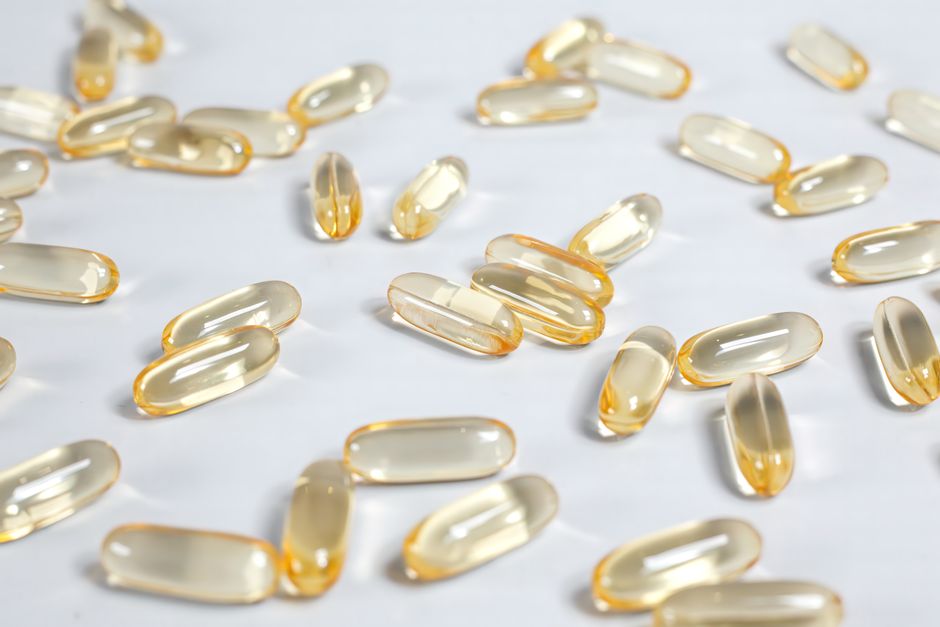
Omega XL is a softgel supplement sold for joint discomfort. Its full ingredient list is short: a marine lipid oil blend extracted from green-lipped mussels (Perna canaliculus), plus gelatin, glycerin, and water in the capsule shell. The active portion is the mussel oil itself, which supplies a mix of omega-3 fatty acids. It does not contain glucosamine, chondroitin, turmeric, or collagen, which are common in other joint products.
The marketing around this supplement is louder than the evidence behind it. Below is a clear breakdown of what is actually in the product, what those ingredients do in the body, and where the science is solid versus where it is thin.
What Is In Omega XL Full Ingredient Breakdown?
The supplement contains one active ingredient: oil from green-lipped mussels grown in New Zealand waters. The label describes it as a proprietary marine lipid extract, which means the exact fatty acid profile is not fully disclosed. The rest of the capsule is standard softgel material.
Green-lipped mussel oil is a source of long-chain omega-3 fatty acids, similar in class to those found in fish oil but with a different fatty acid makeup. It also contains a small amount of a fatty acid called eicosatetraenoic acid, or ETA, which is less common in fish oil. That difference is the basis for most of the product’s marketing claims.
Here is the ingredient breakdown in plain terms:
- Active: Green-lipped mussel oil (marine lipid extract), typically 300 mg per softgel in the standard product
- Capsule shell: Gelatin, glycerin, and purified water
- Not present: Glucosamine, chondroitin, MSM, turmeric, collagen, or added vitamins
That last point matters. Many people assume joint supplements all contain glucosamine and chondroitin. This one does not. If you are looking for those ingredients, this product will not provide them.
What Are the Omega-3 Fatty Acids in Green-Lipped Mussels?
The oil carries omega-3 fatty acids, including EPA and DHA, the same types found in oily fish. These are the fatty acids the body uses to build cell membranes and to produce signaling molecules involved in inflammation. The body cannot make them efficiently, so they must come from food or supplements.
Green-lipped mussel oil differs from fish oil in two ways. First, the balance of fatty acids is different, with more of the ETA fatty acid and a different ratio of the others. Second, the oil is extracted from the whole mussel rather than from fish tissue. Neither difference has been shown in large human trials to produce a meaningfully better health outcome than standard fish oil.
What is well established is that omega-3 fatty acids are essential nutrients. What is not well established is that the specific fatty acid mix in mussel oil offers an advantage over other omega-3 sources. The evidence for that specific claim is limited and mixed.
Does Green-Lipped Mussel Oil Actually Help Joint Pain?
The evidence is mixed. Some small studies have reported reduced joint pain and stiffness in people taking green-lipped mussel extracts, but the trials tend to be small, short, and funded or supplied by industry. That does not make the results false. It means they are not strong enough to support confident claims.
A recurring problem in this research is that studies have used different extracts. Some used a freeze-dried mussel powder. Others used the oil. These are not the same product, so results from one do not automatically apply to the other. Reviews of the evidence have generally concluded that the findings are promising but inconsistent, and that larger independent trials are needed.
There is a broader pattern worth knowing. Omega-3 supplements in general have a modest and inconsistent record for joint pain. Some people report real relief. Controlled trials often show small effects at best. The gap between individual experience and trial averages is a genuine puzzle in this area, not a marketing trick in either direction.
No clinical evidence currently confirms that green-lipped mussel oil rebuilds cartilage, slows arthritis progression, or works as a substitute for medical treatment of joint disease.
Is Green-Lipped Mussel Oil Safe?
For most adults, green-lipped mussel oil appears to be well tolerated in the studies that have been done. The most commonly reported side effects are mild digestive upset and, in some people, a fishy aftertaste.
There is one important safety point. Green-lipped mussels are shellfish. People with a shellfish allergy should avoid this product. Shellfish allergy can cause serious reactions, and a supplement derived from shellfish is not a safe choice for anyone with that allergy.
People taking blood-thinning medication should talk to their clinician before starting any omega-3 supplement. Omega-3 fatty acids can affect platelet function and bleeding time, and the interaction with anticoagulant drugs is a recognized clinical concern. This is not a reason to panic. It is a reason to check first.
Pregnant and breastfeeding women, and anyone managing a medical condition or taking prescription medication, should speak with a healthcare provider before using this or any supplement. No clinical guidelines currently exist for green-lipped mussel oil use in pregnancy or breastfeeding.
How Does Omega XL Compare to Fish Oil and Other Joint Supplements?
The comparison depends on what you are trying to do. If the goal is omega-3 intake, fish oil is the more studied and usually more economical option. If the goal is joint comfort specifically, the evidence for any single supplement is weaker than the marketing suggests.
Here is a plain comparison of the main options people consider for joint health:
| Product type | Main active ingredient | Evidence for joint pain |
|---|---|---|
| Green-lipped mussel oil | Marine omega-3s including ETA | Mixed; small, often industry-linked studies |
| Fish oil | EPA and DHA | Modest and inconsistent effects in trials |
| Glucosamine and chondroitin | Amino sugar and cartilage component | Mixed; large trials have shown limited benefit |
| Turmeric (curcumin) | Curcuminoids | Some positive trials; formulations vary widely |
One clarification that gets lost in advertising: the body does not distinguish between omega-3s from a mussel and omega-3s from a fish in any fundamental way. What differs is the specific fatty acid profile and the dose. Those differences may matter, but they have not been proven to matter in head-to-head human trials.
What Should You Know Before Buying It?
Supplements in the United States are not reviewed for safety and effectiveness by the FDA before they are sold. That means the label is largely trusted on the honor system. Third-party testing exists, but not every brand participates, and the results are not always public.
Check the label for the amount of mussel oil per serving. The standard product provides 300 mg per softgel, and the suggested serving is typically two softgels, but always read the specific label in front of you rather than relying on memory or a review.
Watch for claims that go beyond what the evidence supports. Phrases like “clinically proven” or “doctor recommended” are marketing language, not regulatory findings. No large independent trial has confirmed that this product treats arthritis or any joint disease.
If joint pain is persistent, worsening, or affecting daily function, that is a reason to see a clinician. Supplements are not a substitute for diagnosis. The cause of joint pain matters, and some causes need treatment that no over-the-counter product can provide.
Frequently Asked Questions
What are the main ingredients in Omega XL?
The main active ingredient is green-lipped mussel oil, a marine lipid extract. The capsule also contains gelatin, glycerin, and water, and it does not include glucosamine or chondroitin.
Does Omega XL contain shellfish?
Yes, it is derived from green-lipped mussels, which are shellfish. Anyone with a shellfish allergy should avoid it.
Is green-lipped mussel oil proven to reduce joint pain?
No, the evidence is mixed and comes largely from small studies, some of them industry-funded. Some people report relief, but larger independent trials are still needed.
Can I take Omega XL with blood thinners?
Talk to your clinician first, because omega-3 fatty acids can affect bleeding and may interact with anticoagulant medication. Do not start it on your own if you take a blood thinner.
