
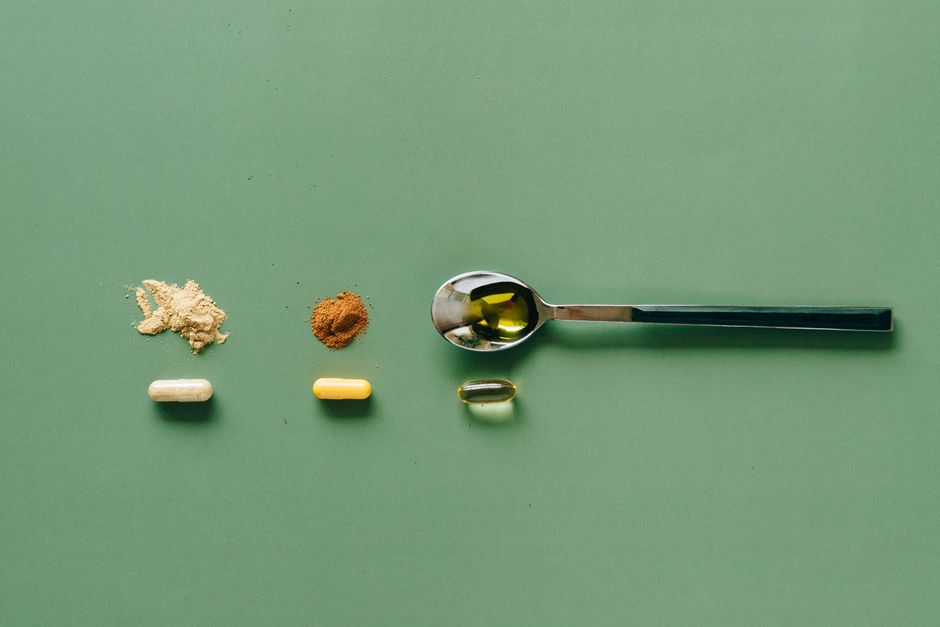
Collagen powder is made from animal connective tissue — mostly cow hide and bone, pig skin, or fish skin and scales. That tissue is processed to break large collagen proteins into smaller pieces called peptides, then dried into a powder. Most products on the market are collagen peptides, sometimes labeled hydrolyzed collagen or collagen hydrolysate.
That is the core answer. What varies is everything around it: the collagen type, the source animal, and whatever else the manufacturer adds to the tub. Those extras are where labels get confusing and where marketing often outruns the evidence.
What Is In Collagen Powder Ingredients Sources?
Collagen is a structural protein. It is the most abundant protein in the human body and a major component of skin, tendons, ligaments, cartilage, and bone. The powder you buy is not human collagen. It is collagen extracted from animals, chosen because its amino acid sequence is similar enough to human collagen to be useful as a raw material.
The raw material starts as a byproduct of the meat and fishing industries. Cow hides and bones, pig skin, and fish skin and scales are the most common inputs. Eggshell membrane is a smaller but growing source. Each source has a slightly different amino acid profile and a different mix of collagen types.
During processing, the tissue is treated with heat, enzymes, or both. This breaks the long, triple-helix collagen molecule into shorter chains called peptides. The result is a powder that dissolves in liquid. Plain collagen protein does not dissolve well in cold water, which is why almost all consumer products are hydrolyzed.
What Are the Main Types of Collagen in Powder?
Collagen comes in several types, and supplement labels usually name one or two. The types differ in how the protein chains are arranged and where they sit in the body.
- Type I is the most common in the body. It is found in skin, tendon, bone, and ligaments. It comes mainly from bovine hide and bone, and from fish skin.
- Type II is the main collagen in cartilage. It is usually sourced from chicken sternal cartilage.
- Type III is found alongside type I in skin, blood vessels, and internal organs. Bovine hide is a common source.
- Types IV and X appear in small amounts in certain products, often from eggshell membrane or cartilage. Less is known about their role as supplements.
Most bovine and marine powders are type I, often with some type II present. “Multi-collagen” products blend several sources to include more types. Whether including more types produces a better result is not established. No head-to-head trials have confirmed that a multi-type blend outperforms a single-type product.
What Else Is Usually in Collagen Powder?
Collagen peptides are rarely the only ingredient. A typical tub contains the collagen, a flavoring system, and often added nutrients marketed as boosters.
Common additions include:
- Vitamin C — added because it is required for normal collagen synthesis in the body. This is a real biological role. Whether adding it to a collagen supplement improves outcomes beyond getting enough vitamin C from food is not established.
- Flavorings and sweeteners — natural or artificial, plus stevia, monk fruit, or sugar.
- Hyaluronic acid — a separate molecule involved in skin moisture. It is not collagen.
- Biotin, zinc, and silica — sometimes included for hair, skin, and nail claims.
- Other proteins or fillers — some products blend in whey, rice protein, or maltodextrin.
Read the ingredient list, not the front of the tub. The front is marketing. The back is what you are actually buying. A product labeled “collagen” can contain a meaningful amount of other protein.





How Is Collagen Powder Made?
The process is straightforward food science, not a secret formula. It follows roughly the same steps across manufacturers.
First, raw tissue is cleaned and treated to remove fat and non-collagen proteins. Then it is heated in water, often with enzymes, to break the collagen into peptides. The extract is filtered, concentrated, and dried into a powder. Some products are then blended with other ingredients and packaged.
The degree of breakdown matters. Smaller peptides are absorbed more readily into the bloodstream than intact collagen. This is why “hydrolyzed” and “peptides” appear on so many labels — they describe collagen that has already been broken down. The body cannot absorb whole collagen protein intact through the gut; it must be digested into smaller peptides and amino acids first.
What Amino Acids Does Collagen Contain?
Collagen has an unusual amino acid profile. It is rich in three amino acids and low in one that matters.
| Amino acid | Notes |
|---|---|
| Glycine | About one third of the molecule; the most abundant amino acid in collagen |
| Proline | Highly abundant; converted to hydroxyproline during collagen synthesis |
| Hydroxyproline | Distinctive to collagen; used as a marker of collagen content |
| Arginine, alanine, others | Present in smaller amounts |
| Tryptophan | Very low — collagen is an incomplete protein |
That last point matters. Because collagen is low in tryptophan, it is not a complete protein. It cannot replace a balanced protein intake on its own. It is a supplement, not a protein source you would rely on the way you would rely on eggs, dairy, meat, or soy. This is one of the more consistently overlooked facts on collagen labels.
Does the Source of Collagen Matter?
Source affects the type of collagen, the amino acid mix, and practical concerns like allergens and dietary rules.
Bovine collagen is the most common and is generally type I and III. Marine collagen, from fish, is also mostly type I and has smaller peptides on average, which some research suggests may be absorbed more quickly. Porcine collagen comes from pig skin and is similar to bovine in type. Eggshell membrane provides a mix that includes type I, V, and X.
For people who avoid beef or pork for religious or dietary reasons, marine and eggshell sources are the alternatives. Fish collagen is not suitable for people with fish allergies. Anyone with a shellfish or fish allergy should check the source carefully, since processing facilities and labeling vary.
Beyond these practical differences, the evidence that one source performs better than another for skin, joints, or anything else is limited. Most studies test a single source in a single population, and results vary.
What Does the Evidence Actually Show?
This is where honesty matters more than marketing. Collagen supplements are widely sold, and the research base is real but modest.
Some studies suggest collagen peptides may improve skin elasticity and hydration, and some suggest small improvements in joint pain in specific groups such as athletes. Many of these studies are small, short, and often funded by manufacturers. Results vary, and independent replication is limited. No large, long-term trial has confirmed that collagen supplements meaningfully change skin aging or prevent joint disease.
There is also a basic biology question that gets glossed over. When you eat collagen, your body digests it into amino acids and small peptides. Those pieces are then used wherever the body needs them — not necessarily routed to your skin or joints. Eating collagen does not automatically become collagen in your face or knees. The body does not work that way.
Collagen is generally well tolerated. Digestive upset is the most commonly reported issue. Because collagen is a protein, people with kidney disease or those on protein-restricted diets should talk to a clinician before adding it. There are no established clinical guidelines for collagen supplementation in pregnancy or breastfeeding, so that decision should be made with a healthcare provider.
Frequently Asked Questions
What is collagen powder made from?
It is made from animal connective tissue, most often cow hide and bone, pig skin, or fish skin and scales. The tissue is processed to break the collagen into smaller peptides and then dried into a powder.
Is collagen powder a complete protein?
No. Collagen is very low in the amino acid tryptophan, so it is an incomplete protein and cannot replace a balanced protein intake on its own.
Does the source of collagen matter for results?
The source mainly affects the collagen type and practical concerns like allergies and dietary rules. Evidence that one source works better than another for skin or joints is limited and results vary.
Does eating collagen directly become collagen in your skin?
No. Your body digests collagen into amino acids and small peptides, which are used wherever the body needs them rather than being sent straight to your skin or joints.
