
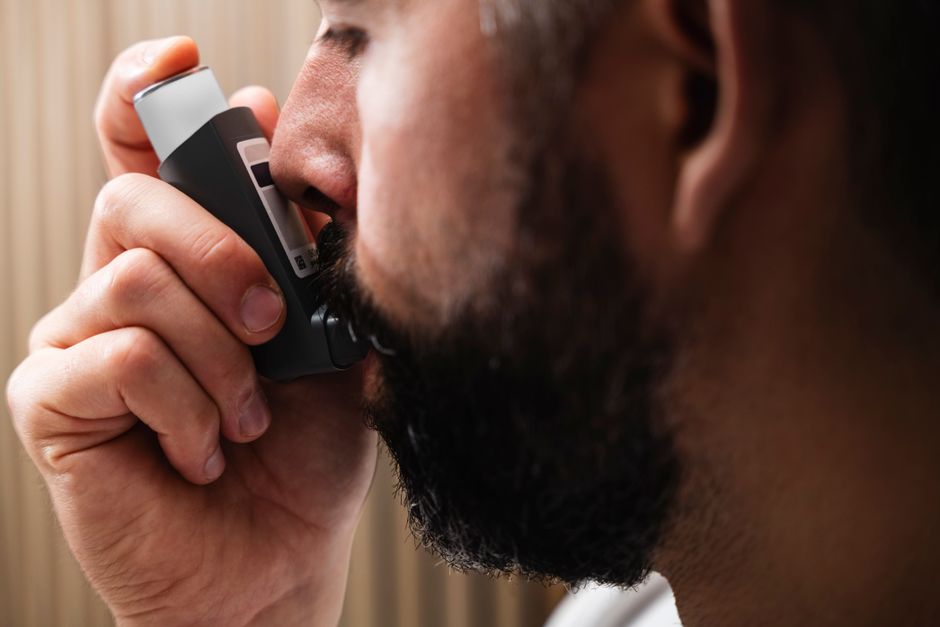
Idiopathic pulmonary fibrosis is a chronic, progressive lung disease in which scar tissue builds up in the lungs for no known reason. That scarring makes the lungs stiff and thick, which makes it harder to move oxygen into the blood. “Idiopathic” means the cause is unknown, and “pulmonary fibrosis” means scarring of the lung tissue.
It is not the same as the lung scarring that can follow a bad infection or long-term exposure to a harmful substance. In those cases, doctors can often point to a cause. In IPF, they cannot. The disease usually appears in adults over 50 and tends to get worse over time, though the speed varies a lot from person to person.
What Is Idiopathic Pulmonary Fibrosis?
IPF is one specific type of interstitial lung disease. The “interstitium” is the thin tissue between the air sacs in your lungs, and that is where the problem starts.
In a healthy lung, the air sacs are tiny, stretchy balloons that pass oxygen into the bloodstream. In IPF, that delicate tissue becomes thick and scarred. The air sacs lose their stretch. Oxygen has a harder time getting across. Over months and years, this leads to shortness of breath that keeps getting worse.
Two things set IPF apart from other lung diseases. First, the cause is not known. Second, the scarring does not reverse. Chronic obstructive pulmonary disease and asthma both involve narrowed airways that can often be opened with medication. IPF is different. The problem is the tissue itself, and current treatments aim to slow the scarring rather than undo it.
IPF is uncommon but not rare. It is one of the more common interstitial lung diseases seen by lung specialists, and it is diagnosed more often in men than women and more often in people over 60.
What Causes Idiopathic Pulmonary Fibrosis?
The honest answer is that no one knows the root cause. That is what “idiopathic” means, and it is not a placeholder for “we haven’t looked.” Decades of research have ruled out many suspects without finding a single trigger.
The leading thinking is that IPF starts when the lung’s repair process goes wrong. After some kind of repeated injury to the air sac lining, the body keeps trying to heal but never finishes. Scar tissue keeps forming instead of normal tissue. Why this happens in some people and not others is still not clear.
Several factors are linked to a higher risk, though a link is not the same as a cause:
- Smoking. A history of smoking is the strongest and most consistent risk factor identified so far. Former smokers are still at higher risk.
- Age. IPF is rare under age 50 and becomes more common with each decade after that.
- Genetics. Some families have multiple cases, and certain gene variants have been linked to the disease. Most people with IPF, however, have no family history.
- Environmental exposures. Some studies suggest links to certain dusts and fumes, but the evidence is not as strong as it is for smoking.
- Reflux and breathing. Acid reflux and repeated micro-aspiration have been studied as possible contributors. The evidence is mixed.
One non-obvious point: a diagnosis of IPF does not mean the person did something to cause it. Many people with IPF never smoked and had no obvious exposure. The disease can appear in someone with none of the known risk factors.
What Are the Symptoms of Idiopathic Pulmonary Fibrosis?
The two hallmark symptoms are shortness of breath and a dry, persistent cough. Both tend to come on slowly, which is part of why the disease is often diagnosed late.
Shortness of breath usually shows up first during activity. Climbing stairs or walking uphill becomes harder than it used to be. Over time, it appears with less and less effort. The cough is typically dry, meaning it does not bring up much mucus, and it does not go away.
Other symptoms can include:
- Fatigue and a general drop in energy
- Unexplained weight loss
- Aching muscles and joints
- Clubbing, where the fingertips become wider and rounder
- A dry, hacking cough that worsens over time
Clubbing is worth knowing about because it is a visible sign. The fingertips enlarge and the nail beds curve. It also occurs in other conditions, so it is not specific to IPF, but it often prompts a doctor to look at the lungs.
Because early symptoms are easy to blame on aging or being out of shape, many people see a doctor only after the disease has progressed. There is no blood test that diagnoses IPF on its own. Diagnosis usually combines a careful history, lung function tests, imaging, and sometimes a lung biopsy.
How Is IPF Diagnosed?
There is no single test that confirms IPF. Doctors piece the diagnosis together from several sources, and they also work to rule out other conditions that can look similar.
A key step is a high-resolution CT scan of the chest. In many cases, the pattern of scarring on the scan is distinctive enough that a lung specialist can make the diagnosis without surgery. When the pattern is not clear, a lung biopsy may be needed to confirm it.
Pulmonary function tests measure how much air the lungs can hold and how well oxygen moves into the blood. In IPF, these tests typically show a restrictive pattern, meaning the lungs are stiff and cannot expand fully. A six-minute walk test and pulse oximetry can show how oxygen levels hold up during activity.
Because several other interstitial lung diseases can produce similar scarring, doctors also look for clues that point elsewhere. Connective tissue diseases such as rheumatoid arthritis, exposure to certain drugs, and occupational exposures can all cause lung scarring that mimics IPF. Finding one of those causes changes the diagnosis and the treatment.
How Is Idiopathic Pulmonary Fibrosis Treated?
There is no cure for IPF. The goal of treatment is to slow the scarring, ease symptoms, and protect quality of life for as long as possible. Two antifibrotic medications are approved for IPF and have been shown in clinical trials to slow the decline in lung function. They do not reverse existing scar tissue, and they do not work for everyone.
These drugs can also cause side effects, most commonly stomach upset and diarrhea, which some people find hard to tolerate. Whether to start one, and which one, is a decision made with a lung specialist based on the person’s situation.
Other parts of care may include:
- Oxygen therapy. Supplemental oxygen can help people whose blood oxygen drops, especially during activity or sleep.
- Pulmonary rehabilitation. Supervised exercise and breathing training can improve how well someone functions day to day, even though it does not change the scarring.
- Symptom relief. Medications and other measures can help with cough and breathlessness.
- Vaccination. Staying current on recommended vaccines helps prevent infections that can be especially dangerous for scarred lungs.
- Lung transplant. For some people who meet certain criteria, a lung transplant is the only option that can substantially extend life. Not everyone is a candidate.
Some clinicians also treat acid reflux aggressively, based on the theory that aspiration contributes to lung injury. The evidence for this approach is mixed, and it is not established as a way to change the course of IPF.
One thing to be cautious about: a long list of supplements and alternative products are marketed for lung scarring. No clinical evidence currently confirms that any of them reverse or slow IPF. Anyone considering them should talk with their care team first, because some can interact with prescribed medications.
What Is the Outlook for Someone With IPF?
IPF is progressive, meaning it generally gets worse over time. How fast varies widely. Some people decline slowly over many years. Others get worse more quickly. Doctors cannot reliably predict which path any one person will take.
The disease can also have periods of sudden worsening, called acute exacerbations, where breathing gets much worse over days to weeks. These episodes are serious and often require hospital care.
Several factors are linked to a faster decline, including older age, more severe disease at diagnosis, and continued smoking. This is one reason early diagnosis matters. Starting treatment and supportive care sooner gives more time to slow the decline.
Life expectancy after diagnosis varies a great deal and depends on many individual factors. It is not something a general article can predict for any one person. That conversation belongs with the treating specialist, who can look at the actual test results and overall health.
Living with IPF is hard, both physically and emotionally. Support from family, patient groups, and the care team matters. Pulmonary rehabilitation and mental health support are often as important as medication for day-to-day quality of life.
Frequently Asked Questions
Is idiopathic pulmonary fibrosis the same as lung cancer?
No. IPF is scarring of the lung tissue, not a tumor. However, people with IPF do have a higher risk of developing lung cancer than the general population, so doctors monitor for it.
Can idiopathic pulmonary fibrosis be reversed or cured?
No. The scarring cannot currently be reversed, and there is no cure. Approved medications can slow the decline in lung function, and lung transplant is the only option that can substantially extend life for some people.
How long can you live with idiopathic pulmonary fibrosis?
It varies widely, and no single number applies to everyone. Some people live many years after diagnosis while others decline faster, so this is best discussed with the treating specialist.
Is idiopathic pulmonary fibrosis hereditary?
Most cases are not inherited. A small number of families have multiple cases linked to specific gene variants, but having a family member with IPF does not mean you will develop it.
