
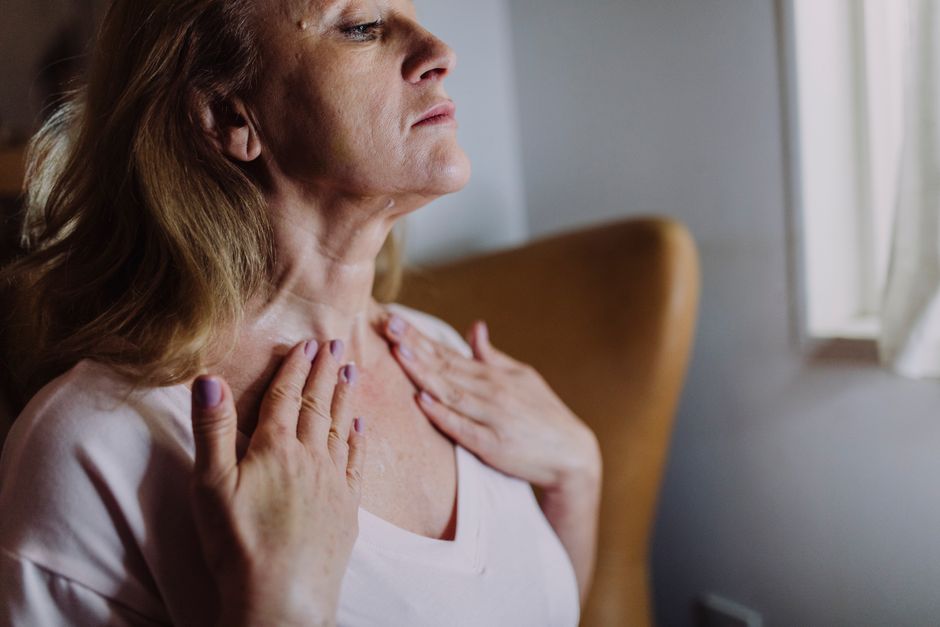
Hypersensitive skin is not a formal medical diagnosis, but the term describes skin that reacts easily to products, weather, or touch. People with this condition often feel stinging, burning, itching, or tightness when using common skincare items or after exposure to wind, cold, or heat. The reaction happens because the skin barrier is weakened or nerve endings are more sensitive than usual. Common triggers include fragrances, preservatives, harsh soaps, and environmental changes. Stress and hormonal shifts can also play a role.
What Is Hypersensitive Skin And What Causes It?
Hypersensitive skin, often called sensitive skin in medical discussions, is a self-reported condition where the skin overreacts to stimuli that normally would not cause a reaction. Up to 60-70% of women and 50-60% of men report having some degree of sensitive skin, though the actual numbers vary by study and definition. The root cause is not one single thing. Research points to a combination of a compromised skin barrier, altered nerve signaling, and low-grade inflammation in the upper layers of the skin.
The outermost layer of skin, the stratum corneum, acts like a brick wall. When that wall is intact, it keeps irritants out and moisture in. When it is disrupted, irritants penetrate more easily and trigger nerve endings just beneath the surface. These nerve endings then send pain or itch signals to the brain. Some people also have a heightened inflammatory response, meaning their immune system releases chemicals like histamine at a lower threshold than normal.
How Is Hypersensitive Skin Different From Allergies Or Eczema?
Hypersensitive skin is not the same as a true allergic contact dermatitis. An allergy requires a specific immune reaction that develops over days after exposure. With hypersensitive skin, the reaction is usually immediate or within minutes, and it does not involve the same type of immune memory. Similarly, eczema (atopic dermatitis) is a chronic inflammatory skin disease with a known genetic component and a specific pattern of rashes. While many people with eczema also have sensitive skin, not everyone with sensitive skin has eczema.
It is possible to have both. However, the term hypersensitive skin is broader and includes people who simply cannot tolerate certain products without having a visible rash or a diagnosed skin condition.
What Are The Most Common Triggers?
Skincare and cosmetic ingredients are the most frequently reported triggers. Fragrances, preservatives (like methylisothiazolinone and parabens), alcohols, and alpha-hydroxy acids are common culprits. Harsh cleansers that strip natural oils also disrupt the barrier.
Environmental factors include cold air, wind, low humidity, and sudden temperature changes. Sun exposure can also provoke stinging in some people.
Physical factors such as friction from rough fabrics, shaving, or hard water can aggravate sensitive skin.
Internal factors include stress, hormonal changes (especially during menstruation or menopause), and certain medications that increase skin sensitivity, such as retinoids or some blood pressure drugs.





What Changes Happen In The Skin?
When hypersensitive skin is triggered, several things happen at once. The barrier function decreases, allowing transepidermal water loss to increase. This makes the skin drier and more permeable. At the same time, sensory nerves in the epidermis release neuropeptides — chemical messengers that cause blood vessels to dilate and immune cells to become active. This can produce redness, warmth, stinging, or itching without a full-blown rash.
Interestingly, some people show no visible signs of inflammation but still feel symptoms. This suggests that the nerve pathway itself is hyperresponsive. Research has identified elevated levels of transient receptor potential (TRP) channels, especially TRPV1, in the skin of people who report sensitivity. These channels are the same ones that detect heat and capsaicin, which explains why warm water or spicy foods can trigger symptoms.
Can Hypersensitive Skin Be Treated Or Managed?
There is no cure, but most people find significant relief by identifying and avoiding their triggers. Keeping a symptom diary for a few weeks can help pinpoint patterns. In terms of skincare, dermatologists often recommend a “minimalist” routine: a gentle cleanser, a moisturizer with ceramides or niacinamide, and a broad-spectrum sunscreen. Products labeled “fragrance-free” are preferred because “unscented” products may still contain masking fragrances.
While there is limited high-quality evidence for specific treatments, some studies suggest that topical niacinamide (vitamin B3) and oat-derived ingredients can help calm the skin. For people with persistent stinging or burning, a dermatologist may prescribe a low-dose topical corticosteroid for short-term use or a prescription barrier repair cream. Systemic treatments are rarely needed.
Lifestyle changes can also help: using a humidifier, avoiding very hot showers, wearing soft fabrics, and managing stress through relaxation techniques. No large clinical trials have confirmed the effectiveness of oral supplements for hypersensitive skin, so claims about specific vitamins or probiotics should be viewed cautiously.
When Should You See A Dermatologist?
If your symptoms interfere with daily life, if you develop a visible rash, or if over-the-counter adjustments do not improve things within a few weeks, a dermatologist can help. They can rule out underlying conditions such as rosacea, contact dermatitis, or seborrheic dermatitis, all of which can mimic or worsen hypersensitive skin. Patch testing may be recommended to identify specific allergens if an allergic reaction is suspected.
It is also important to see a doctor if you experience swelling, blistering, or pain that wakes you at night — these are not typical for simple hypersensitive skin and require further evaluation.
Frequently Asked Questions
Is hypersensitive skin a real medical condition?
It is a real and common complaint, but it is not a formal diagnosis. Doctors typically classify it as a symptom or a trait rather than a disease.
Can hypersensitive skin go away on its own?
It can improve over time, especially if the underlying skin barrier recovers and triggers are avoided. However, many people find it is a long-term tendency that requires ongoing management.
What ingredients should I avoid if I have hypersensitive skin?
Common irritants include fragrances, essential oils, alcohol, sulfates, alpha-hydroxy acids, and preservatives like methylisothiazolinone. Patch testing individual products is the most reliable way to learn your personal triggers.
Does hypersensitive skin get worse with age?
Skin naturally becomes drier and thinner with age, which can increase sensitivity for some people. Hormonal changes during menopause also play a role in some women.
