
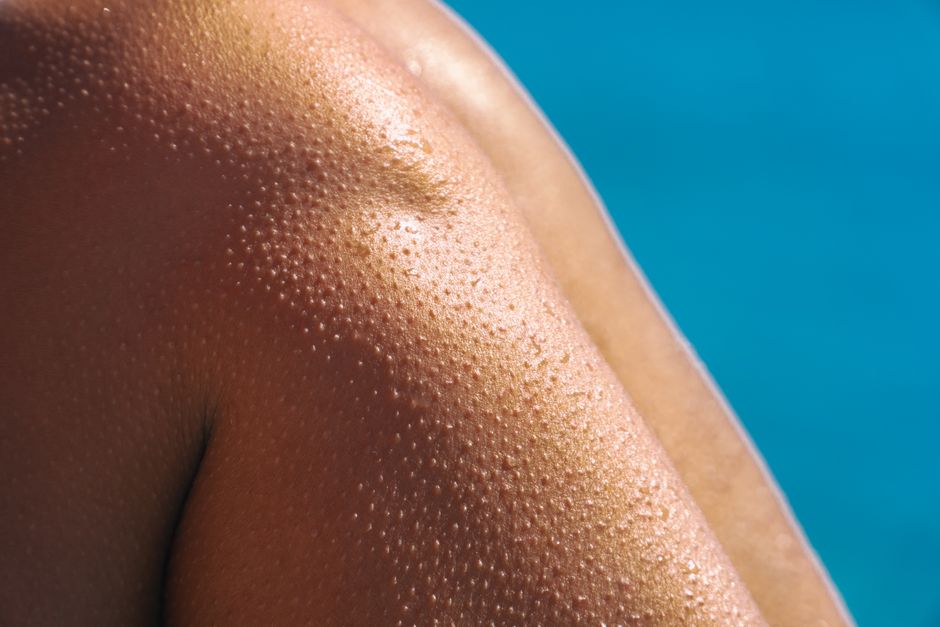
Your skin is the largest organ in your body. It is made of three main layers — the epidermis, the dermis, and the hypodermis — built from cells, proteins like collagen and keratin, water, fats, and minerals. Each layer has a different job, and together they form a living barrier that protects you from injury, infection, and water loss.
Skin accounts for roughly 15 percent of body weight in adults and covers about 1.5 to 2 square meters of surface area. It renews itself constantly, sheds millions of cells a day, and repairs damage — all without you thinking about it. Understanding what it is made of explains a lot about how it works, and why it sometimes fails.
What Is Human Skin Made Of Layers And Composition?
Skin has three primary layers stacked on top of each other, and each one is built from different materials. The outer layer is mostly protein and dead cells. The middle layer is a scaffold of collagen and elastic fibers packed with blood vessels and glands. The deepest layer is mostly fat.
Here is how the three layers compare:
| Layer | Main Composition | Key Functions |
|---|---|---|
| Epidermis | Keratinocytes (mostly), melanocytes, Langerhans cells; protein keratin; lipids | Waterproof barrier, UV protection, constant renewal |
| Dermis | Collagen, elastin, blood vessels, nerves, sweat and oil glands, hair follicles | Strength, elasticity, sensation, temperature control, nourishment |
| Hypodermis | Fat cells, connective tissue, larger blood vessels | Insulation, cushioning, energy storage, anchoring skin to muscle |
By weight, water is the single largest component of skin. Proteins — mainly collagen, keratin, and elastin — make up most of the solid material. The rest is fats, minerals, and a wide mix of cells.
What Is the Epidermis Made Of?
The epidermis is the thin outer layer you can see and touch. It is mostly made of cells called keratinocytes, which produce the protein keratin. Keratin is tough, water-resistant, and forms the main structural material of your hair, nails, and the outer skin surface.
The epidermis has its own layered structure. At its base, new keratinocytes are constantly being made. As they push upward, they flatten, fill with keratin, and eventually die. By the time they reach the surface, they form a tightly packed sheet of dead, protein-rich cells called the stratum corneum. These cells are held together by a lipid (fat) matrix that helps seal in water.
The whole surface of the epidermis is replaced roughly every four weeks in most adults. This constant turnover is why minor scrapes heal, and why the skin you have today is not the skin you had last month.
The epidermis also contains other cells with specific jobs:
- Melanocytes make melanin, the pigment that gives skin its color and helps absorb ultraviolet light.
- Langerhans cells are part of the immune system and help detect threats in the skin.
- Merkel cells are involved in sensing light touch.
The epidermis has no blood vessels of its own. It gets oxygen and nutrients by diffusion from the dermis below. That is one reason very deep wounds that remove the dermis cannot heal from the epidermis alone.
What Is the Dermis Made Of?
The dermis is the thick middle layer and does most of the structural work. It is built on a scaffold of collagen for strength and elastin for stretch and recoil. These two proteins give skin its firmness and its ability to snap back after being pulled.
The dermis is where most of the skin’s living machinery sits. It contains:
- Blood vessels that supply nutrients and help regulate body temperature
- Nerve endings for touch, pressure, pain, and temperature
- Sweat glands that cool the body
- Sebaceous (oil) glands that lubricate skin and hair
- Hair follicles rooted in the dermis
Collagen production declines gradually with age, and sun exposure accelerates that decline. This is why skin becomes thinner and less elastic over time. The effect is well established, though how fast it happens varies widely between people.
One detail that surprises many people: the dermis is where wrinkles and scars actually form. The epidermis on top is just the visible surface. The structure beneath it determines how smooth or firm the surface looks.
What Is the Hypodermis Made Of?
The hypodermis, also called the subcutaneous layer, is the deepest layer. It is made mostly of fat cells (adipocytes) and loose connective tissue, along with larger blood vessels and nerves passing through to reach the layers above.
This layer does several jobs. It insulates the body, cushions underlying muscles and bones from impact, and stores energy as fat. It also anchors the skin to the structures beneath it, which is why skin stays in place when you move.
The thickness of the hypodermis varies a lot from person to person and from one part of the body to another. It tends to be thicker on the abdomen and buttocks and thinner on the back of the hands and the face. This variation is normal and is not a reliable measure of health on its own.
What Else Is in Skin Besides Cells?
Skin is more than cells and protein. It also contains water, lipids, minerals, and a large community of microorganisms. Each of these contributes to how skin behaves.
Water makes up the majority of skin by weight. The epidermis holds less water than the dermis, and the surface layer works hard to keep that water from evaporating. When the lipid barrier is damaged, water escapes faster and skin feels dry.
Lipids — including ceramides, cholesterol, and fatty acids — sit between the cells of the outer epidermis and form the barrier that limits water loss. This is why many moisturizers focus on lipids and why harsh soaps can leave skin feeling tight.
Minerals such as zinc and copper are present in small amounts and support enzymes involved in skin repair and collagen formation.
The skin also hosts a diverse population of bacteria, fungi, and other microbes, often called the skin microbiome. These organisms are normal residents, not invaders. Research increasingly suggests they interact with the skin’s immune system, though the clinical implications are still being worked out and many claims about “balancing” the microbiome go beyond what studies have shown.
How Does Skin Composition Change With Age?
Skin changes measurably as you get older, and most of those changes trace back to shifts in composition. Collagen density in the dermis declines over decades. Elastin fibers become less organized. The epidermis thins. The hypodermis loses fat in some areas, such as the face and hands, while shifting in others.
These changes reduce firmness and slow wound healing. Skin also produces less oil and holds less water, which is why dryness becomes more common with age. Sun exposure over a lifetime speeds up many of these changes, sometimes substantially.
It is worth being clear about what this does and does not mean. Age-related skin change is normal and expected. No product has been shown to reverse it. Some topical ingredients have evidence for improving appearance or reducing specific signs of aging, but the underlying structural changes continue. Anyone claiming otherwise is selling something.
Why Does Skin Composition Matter for Skin Health?
Knowing what skin is made of helps you understand why it responds the way it does. The outer barrier depends on lipids and keratin. When that barrier is compromised — by over-washing, harsh products, or certain skin conditions — water loss increases and irritation becomes more likely.
Collagen and elastin in the dermis determine how skin handles mechanical stress. Blood vessels in the dermis supply the epidermis, so circulation problems can affect skin healing. Fat in the hypodermis cushions and insulates, so significant weight loss or certain medical conditions can change how skin sits on the body.
The most reliable ways to support skin structure are not complicated. Protect skin from excess sun exposure. Avoid smoking, which is known to impair skin blood flow and accelerate collagen breakdown. Keep skin hydrated and avoid harsh cleansing. These steps support the skin you have. They do not rebuild what has already changed, and no product currently does that.
Frequently Asked Questions
What are the three main layers of human skin?
The three main layers are the epidermis (outer), the dermis (middle), and the hypodermis (deepest). Each has a distinct composition and set of functions.
What is the epidermis mostly made of?
The epidermis is mostly made of keratinocytes, cells that produce the protein keratin. These cells constantly renew and form a tough, water-resistant outer barrier.
Does skin contain collagen and elastin?
Yes. Collagen and elastin are the main structural proteins in the dermis and give skin its strength and elasticity. Collagen production declines with age and with sun exposure.
What percentage of skin is water?
Water is the largest single component of skin by weight, though the exact percentage varies by layer and by person. The dermis holds more water than the outer epidermis.
