
Hot tub folliculitis is a skin infection caused by the bacteria Pseudomonas aeruginosa, which thrives in warm, poorly chlorinated water. It typically appears as an itchy, red rash of bumps or pus-filled blisters within a few days after soaking in a contaminated hot tub, spa, or pool. The rash usually clears on its own within one to two weeks, though treatment can help manage symptoms in more severe cases.
What Causes Hot Tub Folliculitis?
The infection starts when Pseudomonas aeruginosa bacteria enter the hair follicles on your skin. These bacteria are common in the environment, especially in water and soil. They multiply quickly in warm water, particularly when chlorine or bromine levels are not properly maintained.
Hot tubs create the perfect conditions for this bacteria. The warm temperature, the constant movement of the water, and the large number of people using the tub all contribute. When you sit in a contaminated hot tub, the bacteria get trapped against your skin. The follicles become infected, and the rash develops.
It is not just hot tubs that cause this. Swimming pools, water slides, and even loofahs or bath sponges that stay damp can harbor the bacteria. The term “hot tub folliculitis” is used because hot tubs are the most common source, but any warm, wet environment can be responsible.
The rash often appears on areas that were covered by a swimsuit. This is because the fabric holds the contaminated water against the skin for a longer period. The longer you stay in the water, the higher your risk of developing the infection.
What Does the Rash Look and Feel Like?
The rash typically appears 12 to 48 hours after exposure to the contaminated water. It often shows up on the torso, buttocks, and limbs — anywhere your swimsuit covered you or where skin was pressed against the tub surface.
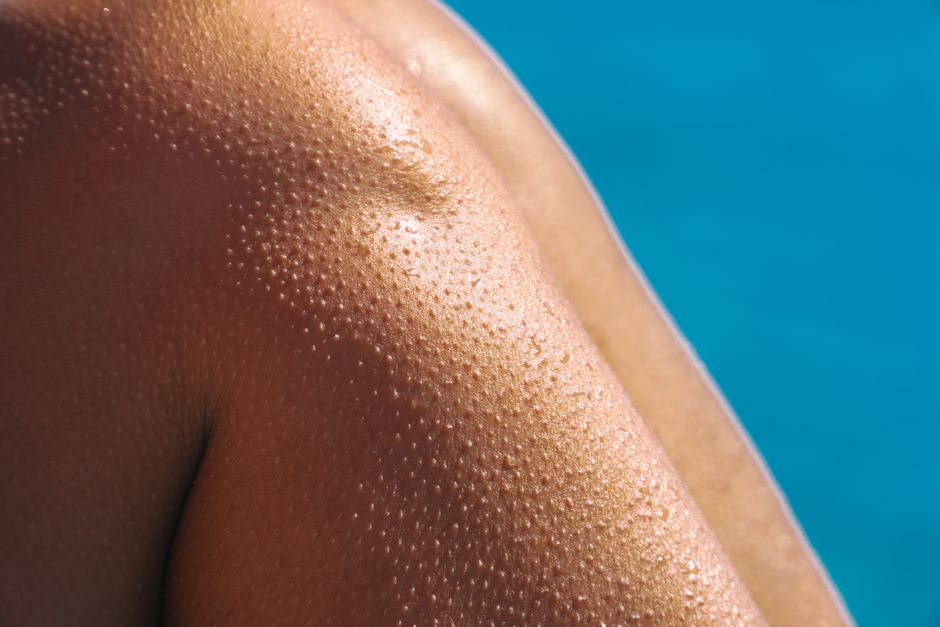
The rash looks like small red bumps or pus-filled blisters. They can resemble acne or insect bites. In many cases, the bumps form around hair follicles, which is why the condition is called folliculitis.
Itching is the most common symptom. Some people also report tenderness or a burning sensation. In more severe cases, the rash can become painful or develop into larger, deeper boils.
A key feature of this rash is that it often appears in a pattern. If the rash is concentrated on areas that were in contact with the water and covered by swimwear, hot tub folliculitis is very likely. Some people also develop mild fever or fatigue, but this is less common and usually mild.
The rash can look alarming, especially when it covers a large area. But in most healthy people, it is not dangerous and resolves without medical treatment.
How Is Hot Tub Folliculitis Treated?
For most people, no treatment is needed. The infection clears on its own within one to two weeks. The key is to keep the area clean and dry, avoid tight clothing, and resist scratching.
Over-the-counter options can help manage symptoms while the infection runs its course. Antihistamines like diphenhydramine (Benadryl) can reduce itching. Applying a cool compress to the affected areas also provides relief. Some doctors recommend using a mild antibacterial soap when washing the rash, though this has not been proven to speed healing.
Topical treatments may help in some cases. Over-the-counter hydrocortisone cream can reduce inflammation and itching. Antibiotic ointments are generally not effective against Pseudomonas bacteria, so they are not a reliable treatment for this condition.
Medical care is needed in specific situations. If the rash is severe, covers a large portion of your body, or does not improve after two weeks, see a doctor. People with weakened immune systems, diabetes, or chronic skin conditions should also seek medical advice earlier.
A doctor may prescribe a topical or oral antibiotic for more severe cases. The choice of antibiotic matters because Pseudomonas is resistant to many common antibiotics. Ciprofloxacin is one antibiotic that is often effective, but it should only be used under a doctor’s supervision.
Warm compresses applied to the affected area can help draw out pus from larger bumps. This can relieve discomfort and help the bumps drain naturally. Do not squeeze or pop the bumps yourself, as this can worsen the infection or lead to scarring.





How Long Does the Rash Last?
Most cases of hot tub folliculitis resolve within one to two weeks. The itching usually improves within a few days, and the bumps begin to flatten and fade.
In some cases, the rash can last longer. Mild cases may clear in as little as three to five days. More severe cases can persist for two to three weeks. The skin may remain discolored or blotchy for several weeks after the rash resolves, but this fades over time.
If the rash lasts longer than two weeks or worsens during that time, seek medical care. This could indicate a deeper infection or that a different condition is causing the rash.
It is worth noting that the rash can look worse before it looks better. The bumps may become more prominent a few days after they first appear. This is a normal part of the immune response and does not necessarily mean the infection is spreading.
How Can You Prevent Hot Tub Folliculitis?
Prevention is mostly about the quality of the water. If you own a hot tub, test the water regularly. Chlorine and bromine levels should be maintained according to manufacturer guidelines. The pH level should also be checked, because bacteria survive better when the pH is not properly balanced.
Showering before entering a hot tub helps remove dirt, sweat, and personal care products that can reduce the effectiveness of chlorine. Showering after you get out washes away any bacteria that may have come into contact with your skin.
Do not stay in a hot tub for extended periods. The longer you are in the water, the greater your exposure to any bacteria present. Limiting sessions to 15 to 20 minutes is a reasonable precaution.
If you use a public hot tub, ask about the maintenance schedule. Well-maintained facilities test their water multiple times per day. If you notice a strong chlorine smell, this can actually be a warning sign. The smell often comes from chloramines, which form when chlorine combines with sweat and oils — an indication that the water may not be properly treated.
After using a public hot tub, change out of your swimsuit promptly. Wash your swimsuit with detergent and dry it completely before wearing it again. This reduces the chance of bacteria growing in the fabric.
People with weakened immune systems, open wounds, or recent skin injuries should be especially cautious. The bacteria can enter through broken skin and cause more serious infections.
When Should You See a Doctor?
Most people can manage hot tub folliculitis at home without medical intervention. But there are clear signs that you should seek professional care.
- The rash does not improve after two weeks
- The rash spreads or worsens despite home care
- You develop a fever above 101°F
- The bumps become very painful or produce significant pus
- You have a weakened immune system, diabetes, or a chronic skin condition
- You develop red streaks extending from the rash
These symptoms can indicate a deeper or more widespread infection that requires medical treatment. A doctor can examine the rash and determine whether prescription treatment is needed.
In rare cases, hot tub folliculitis can progress to a more serious condition called ecthyma gangrenosum. This is a deeper infection that causes ulcers and requires prompt medical treatment. It is most common in people with weakened immune systems, but anyone with a severe rash should monitor for unusual changes.
Hot tub folliculitis is not contagious from person to person. You cannot catch it from someone who has the rash. The infection comes from the contaminated water, not from skin-to-skin contact.
Is Hot Tub Folliculitis the Same as Other Skin Rashes?
Hot tub folliculitis can look similar to other skin conditions, which sometimes makes diagnosis tricky. It can resemble acne, insect bites, or other forms of folliculitis caused by different bacteria.
Staphylococcal folliculitis is caused by Staphylococcus aureus bacteria and looks similar. The key difference is the source. Staph folliculitis is not linked to hot tub use and often appears on areas that rub against clothing or where skin rubs against skin.
Swimmer’s itch is another condition that can cause confusion. It is caused by a parasite found in freshwater lakes and ponds. The rash appears quickly after swimming and causes intense itching. But swimmer’s itch is not caused by bacteria and does not respond to antibiotics.
If you are unsure what is causing your rash, consider the context. Did you use a hot tub or pool in the past two days? Did the rash appear on areas covered by a swimsuit? If yes, hot tub folliculitis is the most likely explanation. If the rash appears without any water exposure, other causes are more probable.
What Is the Long-Term Outlook?
The outlook for hot tub folliculitis is excellent. The infection is self-limiting in healthy people, meaning it resolves on its own without complications. Most people recover fully within two weeks with no lasting effects.
Scarring is uncommon but possible, especially if the bumps are picked or squeezed. Keeping the area clean and avoiding irritation helps prevent this. Temporary changes in skin color can occur after the rash heals, particularly in people with darker skin tones. This discoloration typically fades over several weeks or months.
Recurrence is possible if you return to the same contaminated hot tub. Once the water is properly treated, the risk of reinfection is eliminated. If you develop the rash repeatedly after using the same hot tub, the water treatment system likely has a problem that needs to be addressed.
Frequently Asked Questions
Can hot tub folliculitis spread to other parts of my body?
No, the rash does not spread from person to person or from one area of your body to another through scratching. The infection develops only where the contaminated water touched your skin.
Can I use a hot tub if I have hot tub folliculitis?
No, you should avoid hot tubs until the rash has completely cleared. The chlorine or other chemicals can further irritate the rash, and you may expose others to the bacteria if the water is not properly treated.
Does hot tub folliculitis require antibiotics?
Most cases do not require antibiotics because the infection clears on its own within one to two weeks. Antibiotics are reserved for severe cases, people with weakened immune systems, or infections that do not improve.
Is hot tub folliculitis contagious?
No, hot tub folliculitis is not contagious. You cannot catch it from touching someone who has the rash. The bacteria comes from contaminated water, not from skin contact.
