
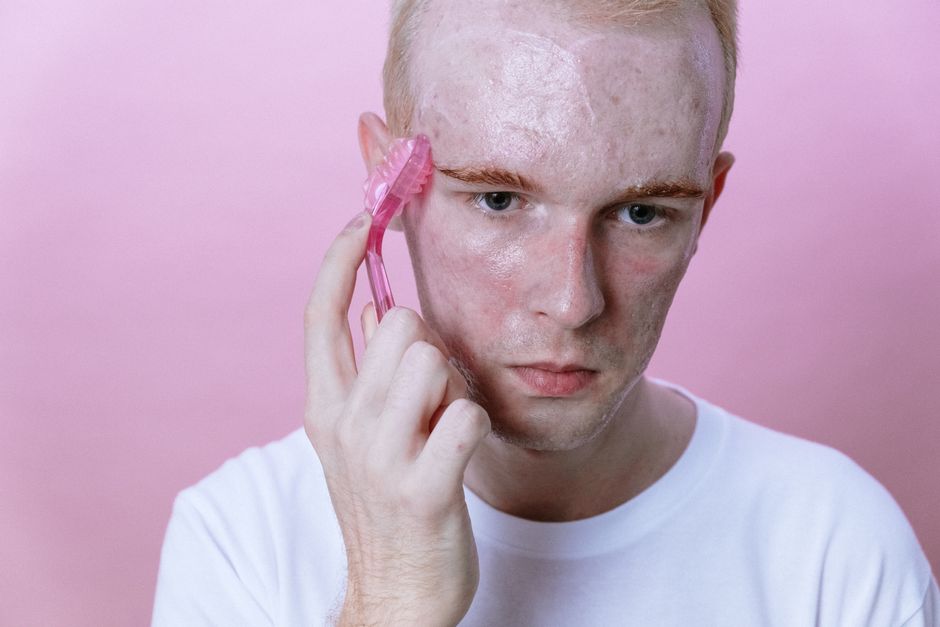
Hormonal acne is acne driven by changes in hormone levels, especially androgens like testosterone. These hormones increase oil production in the skin, and that oil can combine with dead skin cells to block pores. The result is the familiar mix of blackheads, whiteheads, and deeper inflamed bumps, often along the jawline and chin. It can happen at any age, but it is most common in the teen years, around menstrual cycles, during pregnancy, and in the years around menopause.
What Is Hormonal Acne?
Hormonal acne is not a separate skin disease. It is ordinary acne with a clear hormonal trigger.
The word gets used loosely. In everyday language, “hormonal acne” usually means breakouts that follow a pattern tied to a life stage or a monthly cycle. In a dermatology clinic, the same term often points to a more specific picture: deep, tender bumps along the lower face that keep coming back, sometimes with irregular periods or other signs of a hormone imbalance.
That distinction matters. Most acne has some hormonal influence, because hormones control how much oil the skin makes. Not all acne needs a hormone-focused workup.
How Do Hormones Cause Acne?
Androgens are the main drivers. These are hormones such as testosterone that both men and women produce. They signal the sebaceous glands in the skin to make more sebum, the oily substance that lubricates skin and hair.
More oil is only part of the story. Skin cells lining the pore also shed and can clump together. When excess oil meets those cells, the pore can plug. Bacteria that normally live on the skin, mainly Cutibacterium acnes, can multiply in the blocked pore. The body responds with inflammation, which is what makes a pimple red, swollen, and tender.
So acne is not caused by “dirty” skin or a single bad habit. It is a chain: hormone signal, more oil, blocked pore, bacteria, inflammation. Hormones are often the first link in that chain.
When Does Hormonal Acne Usually Appear?
Hormonal acne tends to show up when hormone levels shift. The timing is fairly predictable across life stages.
- Puberty: Rising androgen levels are a normal part of development and are the main reason acne is so common in teenagers.
- The menstrual cycle: Many women notice breakouts in the days before a period, when hormone levels change. This is a common pattern, not a sign that something is wrong.
- Pregnancy: Hormone changes during pregnancy can trigger acne in some women and clear it in others. Both patterns occur.
- Perimenopause and menopause: Shifting hormone levels, including changes in estrogen relative to androgens, can bring on or worsen acne in some women in their 40s and 50s.
Adult acne is common and often has more than one cause. Hormones are frequently part of it, but stress, cosmetics, and genetics can all play a role.
What Does Hormonal Acne Look Like?
Hormonal acne often appears as deep, tender bumps and cysts along the jawline, chin, and lower cheeks. It can also show up as smaller inflamed pimples in the same areas.
The pattern is a clue, not a diagnosis. Location alone cannot confirm a hormonal cause. A breakout on the chin can come from hormones, a new skincare product, or friction from a phone or helmet.
Some signs make a hormonal cause more likely and are worth raising with a clinician:
- Acne that persists well into adulthood
- Breakouts that clearly flare before each period
- Irregular or absent periods
- Excess facial or body hair, or thinning scalp hair
Those last signs can point to a condition such as polycystic ovary syndrome (PCOS), which affects hormone balance. PCOS is diagnosed by a clinician using symptoms, lab tests, and other criteria. Acne alone does not mean someone has it.
Is Hormonal Acne Different From Regular Acne?
The underlying process is the same. The difference is the trigger and sometimes the pattern.
Regular acne in a teenager is largely driven by the normal hormone surge of puberty. Hormonal acne is a way of describing acne where a hormone shift is the clear driver, such as the premenstrual flare or acne that appears around menopause.
The treatment approach can differ. When acne is persistent, deep, and clearly linked to hormones, a clinician may consider options that address the hormonal side, not just the skin surface. That is a decision to make with a doctor, not on your own.
How Is Hormonal Acne Treated?
Treatment depends on how severe the acne is, the person’s age, and whether pregnancy is a possibility. A clinician decides the plan. Below is a general map of the options, not a prescription.
Topical treatments are often a starting point for mild acne. These include products with benzoyl peroxide, salicylic acid, or retinoids. They work on the skin directly by reducing blocked pores and inflammation. Some are available over the counter; stronger retinoids require a prescription.
Oral antibiotics are sometimes prescribed for moderate to severe inflamed acne. They are generally used for a limited time because of concerns about antibiotic resistance, and they are usually combined with topical treatment.
Hormone-focused options may be considered for women with persistent acne that appears hormone-related. These include certain combined oral contraceptives and a medication called spironolactone. Both require a prescription and clinical monitoring. They are not appropriate for everyone, and they are not used during pregnancy.
Isotretinoin is a prescription oral retinoid used for severe or treatment-resistant acne. It is highly regulated because of serious risks, including birth defects, and it requires close medical supervision.
No single option is right for everyone. The choice involves weighing severity, side effects, and personal circumstances with a clinician.
Does Diet or Lifestyle Affect Hormonal Acne?
The evidence on diet is real but limited. Some studies suggest that diets with a high glycemic load may be linked to more acne, and some research points to dairy as a possible factor in some people. The results vary, and no single food has been shown to cause or cure acne in everyone.
What the evidence does not support is dramatic. Cutting out an entire food group is not a proven acne treatment, and for many people it will not make a noticeable difference. If you want to test whether a food affects your skin, that is a reasonable conversation to have with a clinician or dietitian.
General skin care does help. Gentle cleansing, not over-washing, and avoiding harsh scrubbing can reduce irritation. Some cosmetics and sunscreens are labeled non-comedogenic, meaning they are formulated to be less likely to block pores. Stress can worsen acne for some people, though the link is not fully understood.
When Should You See a Doctor About Acne?
See a clinician if acne is deep and painful, leaves scars, keeps coming back despite over-the-counter treatment, or clearly flares with your cycle. Those are signs worth a proper evaluation.
Also see a clinician if acne comes with irregular periods, excess hair growth, or other signs that could point to a hormone condition. These symptoms are common and often have treatable causes. Getting them checked is reasonable, not alarming.
Acne is not something to simply endure. It is a common condition with real treatment options, and a clinician can help match the option to your situation.
Frequently Asked Questions
What is hormonal acne?
Hormonal acne is acne triggered by changes in hormone levels, especially androgens that increase oil production in the skin. It commonly appears along the jawline and chin and often flares with the menstrual cycle or during life stages like puberty and menopause.
Does hormonal acne go away on its own?
Sometimes it improves when hormone levels settle, such as after puberty or pregnancy, but it can persist for years, especially in adults. There is no reliable way to predict how long it will last, so persistent or painful acne is worth discussing with a clinician.
What is the best treatment for hormonal acne?
There is no single best treatment, because the right choice depends on severity, age, and whether pregnancy is a possibility. Options range from topical treatments to prescription hormone-focused medications, and a clinician can help decide which fits.
Can diet cause hormonal acne?
Some studies suggest high-glycemic diets and dairy may be linked to acne in some people, but the evidence is limited and results vary. No single food has been shown to cause or cure acne in everyone.
