
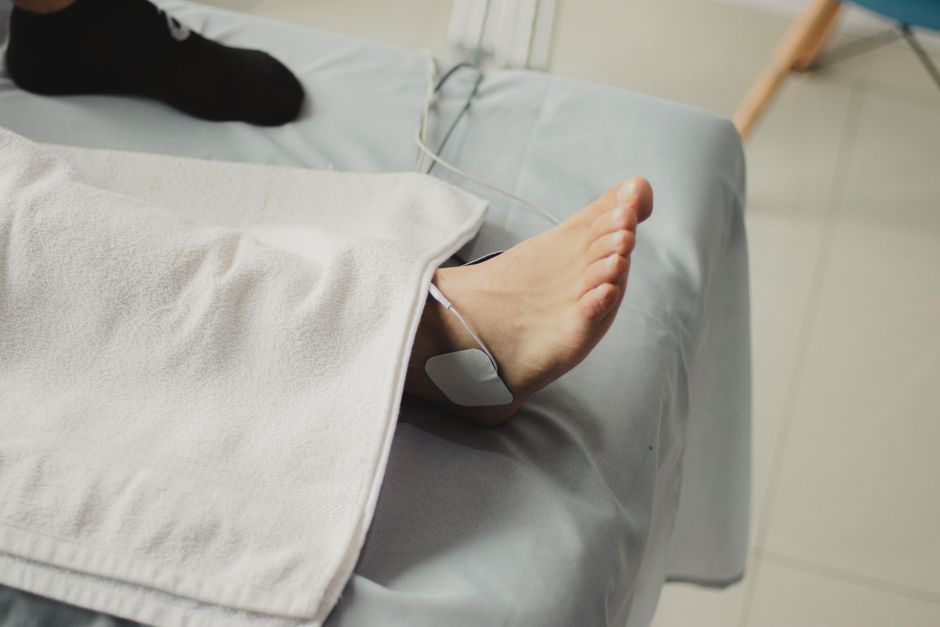
Hemiplegia and hemiparesis both mean one side of the body is affected by weakness. Hemiplegia means the weakness is complete paralysis. Hemiparesis means the weakness is partial. Both usually result from damage to the brain or spinal cord on the side opposite the affected limbs.
These terms get used loosely in everyday conversation, but in medicine the distinction matters. The cause, the location of the damage, and the severity all shape what a person experiences and what recovery looks like.
What Is Hemiplegia And Hemiparesis?
Hemiplegia is paralysis of one side of the body. Hemiparesis is weakness — but not full paralysis — on one side. The prefix “hemi” means half, “plegia” means paralysis, and “paresis” means weakness.
The key detail is that the affected side is opposite the brain injury. Damage to the left side of the brain produces weakness on the right side of the body, and the reverse. This is because the motor pathways cross over, or decussate, in the lower brainstem before traveling down the spinal cord.
Either condition can affect the face, arm, leg, or all three on one side. The pattern of what is affected often gives doctors clues about where the damage sits. For example, weakness in the face and arm more than the leg points toward damage higher up in the brain’s cortex, while weakness affecting the leg more than the arm can suggest damage lower down near the brainstem or in the spinal cord.
What Causes Hemiplegia and Hemiparesis?
Stroke is the most common cause in adults. When a blood vessel in the brain is blocked or bursts, the brain tissue it supplies loses oxygen and can be damaged or die. The result is often weakness on the opposite side of the body.
Other causes include:
- Traumatic brain injury
- Brain tumors
- Infections such as encephalitis or meningitis
- Multiple sclerosis
- Cerebral palsy, which is a leading cause in children
- Spinal cord injury
- Genetic or metabolic disorders affecting the brain
In children, cerebral palsy is the most common cause. It results from damage to the developing brain, often before or around birth, though the exact cause is not always identified.
Hemiplegic migraine is a separate and often misunderstood condition. It causes temporary weakness on one side of the body during a migraine attack. The weakness is usually reversible, but the condition is distinct from stroke-related hemiplegia and requires proper medical evaluation, because the symptoms can mimic a stroke.
What Are the Symptoms of Hemiplegia and Hemiparesis?
The symptoms depend on which side and which parts of the body are affected. Common signs include:
- Weakness or inability to move an arm, leg, or both on one side
- Facial drooping on one side
- Difficulty walking or balancing
- Reduced fine motor control, such as trouble buttoning a shirt or holding a cup
- Muscle stiffness or spasticity, where muscles feel tight and resist movement
- Changes in muscle tone — sometimes floppy at first, then stiff over time
Many people also experience changes beyond movement. These can include altered sensation on the affected side, difficulty with speech if the damage affects language areas, and problems with swallowing. Some people develop neglect, where the brain ignores the affected side of the body or space around it.
Spasticity deserves a note. It is not simply “tight muscles.” It reflects changed signaling from the brain to the spinal cord after damage. It can develop weeks to months after the initial injury and can interfere with movement, hygiene, and comfort. It is treatable, but it needs proper assessment.
How Is Hemiplegia and Hemiparesis Diagnosed?
Diagnosis starts with a physical and neurological exam. A doctor checks strength, reflexes, muscle tone, sensation, and coordination on both sides of the body. The pattern of weakness helps localize where the problem is.
Imaging is usually the next step. A CT scan or MRI of the brain can show bleeding, stroke, tumors, or other structural damage. In some cases, additional tests such as blood work, spinal fluid analysis, or nerve conduction studies may be used depending on what the doctor suspects.
For children, diagnosis may involve developmental assessments and imaging, and cerebral palsy is often identified through a combination of clinical history and observation over time.
How Are Hemiplegia and Hemiparesis Treated?
Treatment depends on the cause and the stage of recovery. For stroke, emergency treatment aims to restore blood flow or stop bleeding as quickly as possible. After the acute phase, rehabilitation becomes the main focus.
Physical therapy helps improve strength, balance, and walking. Occupational therapy focuses on daily tasks like dressing, eating, and grooming. Speech therapy addresses communication and swallowing problems when they are present.
Medications may be used for specific problems. For example, botulinum toxin injections are sometimes used to reduce spasticity in specific muscles, and muscle relaxants may be prescribed. Some clinicians recommend constraint-induced movement therapy, where the unaffected limb is restrained to encourage use of the affected one. The evidence for this approach is strongest in certain stroke rehabilitation settings, and it is not appropriate for everyone.
Recovery varies widely. Some people regain substantial function, while others have lasting limitations. The amount and timing of recovery depend on the cause, the extent of damage, age, and access to rehabilitation. It is not possible to predict outcomes with certainty for any individual.
What Is the Difference Between Hemiplegia, Hemiparesis, and Paraplegia?
The terms describe different patterns of weakness.
- Hemiplegia — complete paralysis of one side of the body
- Hemiparesis — partial weakness of one side of the body
- Paraplegia — paralysis of the legs and lower body, usually from spinal cord damage
- Quadriplegia — paralysis affecting all four limbs
The distinction between hemiplegia and hemiparesis is about severity, not cause. Both can result from the same type of brain injury, and a person’s status can change over time. Someone with hemiplegia may regain partial movement and be described as having hemiparesis, or the terms may be used interchangeably in casual conversation.
Can Hemiplegia and Hemiparesis Be Prevented?
Some causes can be reduced in risk, and some cannot. Stroke risk can be lowered by managing blood pressure, controlling diabetes, avoiding smoking, and treating conditions like atrial fibrillation with medical guidance. These are established preventive measures supported by strong evidence.
Not all causes are preventable. Cerebral palsy, genetic conditions, and traumatic injuries often cannot be predicted or prevented. For people with risk factors for stroke, regular medical care and following treatment plans are the most reliable steps.
It is also important to recognize the signs of stroke quickly. Sudden weakness on one side, facial drooping, or difficulty speaking are emergencies. Fast medical attention can reduce damage and improve outcomes.
What Does Recovery Look Like?
Recovery is highly individual. Some people make significant gains in the first weeks and months after a stroke or injury, and progress can continue for years with ongoing therapy. Others reach a plateau.
Rehabilitation is not a single event. It is an ongoing process that may involve different therapies at different stages. The brain has some capacity to reorganize and form new connections after injury, a process called neuroplasticity, and rehabilitation aims to support that process. However, the extent of recovery varies and cannot be guaranteed.
Living with hemiplegia or hemiparesis often involves practical adjustments. Assistive devices, home modifications, and support from caregivers can help. Mental health support is also important, because the changes can affect mood, identity, and daily life.
Frequently Asked Questions
What is the difference between hemiplegia and hemiparesis?
Hemiplegia is complete paralysis on one side of the body, while hemiparesis is partial weakness on one side. Both usually result from damage to the opposite side of the brain.
Is hemiparesis a stroke?
Hemiparesis is not a stroke itself, but it is a common symptom of stroke. It can also result from other causes such as brain injury, tumors, or cerebral palsy.
Can hemiplegia be cured?
There is no guaranteed cure, and recovery varies widely depending on the cause and extent of damage. Rehabilitation can help improve function, but outcomes are individual and cannot be predicted with certainty.
What is the most common cause of hemiplegia in children?
Cerebral palsy is the most common cause of hemiplegia in children. It results from damage to the developing brain, often before or around birth.
