
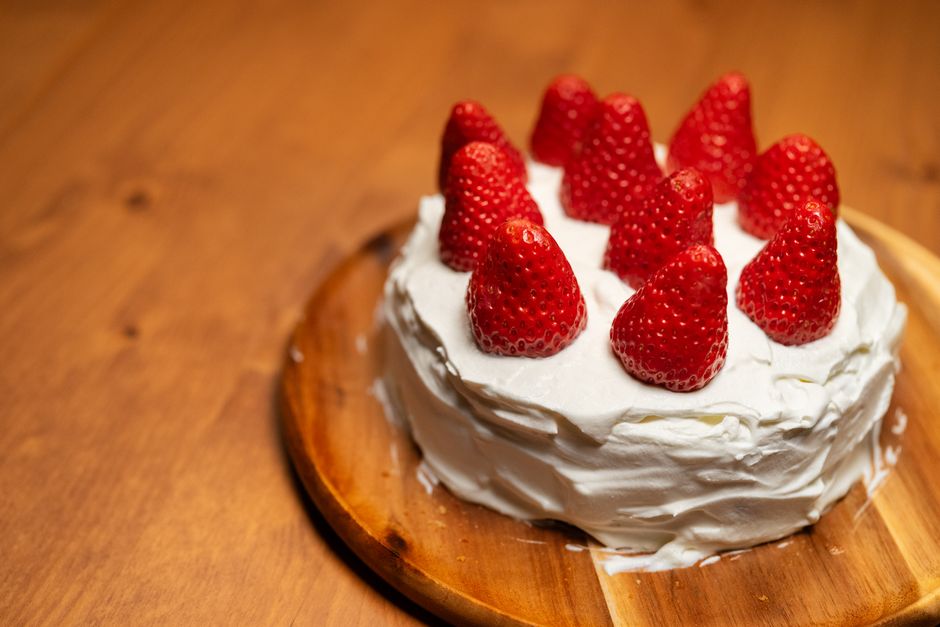
Heavy cream is the high-fat liquid that rises to the top of fresh cow’s milk. It is made by separating this fat-rich layer from the rest of the milk, then pasteurizing it to make it safe. To be labeled heavy cream in the United States, it must contain at least 36% milk fat, though most commercial products sit between 36% and 40%.
What Is Heavy Cream Made Of?
Heavy cream starts with whole milk straight from the cow. The milk is spun in a machine called a centrifuge, which separates it into two parts: the fat-heavy cream and the nearly fat-free skim milk. The cream portion is collected, pasteurized, and often homogenized before it reaches the store.
The ingredient list on a carton of heavy cream is usually short. It typically contains just cream and sometimes a stabilizer like carrageenan or mono- and diglycerides. These additives help keep the texture smooth and prevent the fat from separating during shipping. Some brands also add milk solids to thicken the product slightly.
Heavy cream is not the same as whipping cream, though the names are often used interchangeably. Heavy cream contains at least 36% milk fat, while whipping cream contains 30% to 35%. This difference matters in cooking. Higher fat content means the cream whips into stiffer peaks and is less likely to curdle when added to hot sauces or soups.
Heavy Cream vs. Other Cream Types
The cream section of the dairy aisle can be confusing. Each product is defined by its milk fat percentage, and that number determines how the cream behaves in recipes.
| Cream Type | Milk Fat Content | Common Uses |
|---|---|---|
| Half-and-half | 10.5% to 18% | Coffee, light sauces |
| Light cream | 18% to 30% | Coffee, soups |
| Whipping cream | 30% to 35% | Whipped cream, desserts |
| Heavy cream | 36% to 40% | Whipped cream, sauces, baking |
| Double cream | 48% or more | Thick sauces, clotted cream |
Half-and-half is a blend of milk and cream. It cannot be whipped because its fat content is too low to trap air bubbles. Light cream works for coffee but will not hold stiff peaks either. Heavy cream is the standard choice when a recipe calls for cream that needs to withstand heat or hold its shape when whipped.
Double cream is more common in the United Kingdom than in the United States. It is so thick it barely pours. It is not widely available in American grocery stores, so most US recipes rely on heavy cream as the richest option.
How Heavy Cream Is Made Commercially
Commercial production follows a precise process. The milk is first warmed to about 50°F (10°C) so the fat is liquid enough to separate. It then enters a centrifuge spinning at thousands of revolutions per minute. The centrifugal force pushes the heavier skim milk outward while the lighter cream collects in the center.
The cream is then pasteurized. Standard pasteurization heats the cream to at least 161°F (72°C) for 15 seconds. Ultra-pasteurized cream is heated to 280°F (138°C) for 2 seconds. Ultra-pasteurized cream lasts longer on the shelf but has a slightly cooked flavor and does not whip as well as standard pasteurized cream.
Homogenization is optional for cream. Whole milk is almost always homogenized to prevent the cream from separating to the top. Heavy cream, however, is often left unhomogenized because the fat content is already uniform. Some brands do homogenize their heavy cream to improve consistency, which changes how quickly it whips.





Nutritional Profile of Heavy Cream
Heavy cream is almost entirely fat. A single tablespoon contains about 50 calories and 5 grams of fat, of which about 3 grams are saturated fat. It contains trace amounts of protein and carbohydrates, mostly in the form of lactose.
Heavy cream is a significant source of vitamin A. Because vitamin A is fat-soluble, it concentrates in the fatty portion of milk. One tablespoon provides roughly 4% of the daily value for vitamin A. It also contains small amounts of vitamin D, vitamin E, and calcium.
The fat in heavy cream is primarily saturated fat. The American Heart Association recommends limiting saturated fat intake to about 5% to 6% of total daily calories. For someone eating 2,000 calories a day, that is roughly 11 to 13 grams of saturated fat. A single serving of heavy cream provides a quarter to a third of that amount.
Heavy cream is naturally low in lactose compared to milk. The lactose dissolves in the watery portion of milk, not the fat. People with mild lactose intolerance sometimes tolerate heavy cream better than milk, though this varies from person to person. Those with severe lactose intolerance should still avoid it.
Heavy Cream vs. Plant-Based Cream Alternatives
Plant-based cream alternatives are made from ingredients like coconut, cashews, oats, or soy. They are not the same as heavy cream, and the differences matter for cooking and nutrition.
Coconut cream is the closest substitute in terms of fat content. It contains about 20% to 25% fat and whips reasonably well when chilled. However, it carries a distinct coconut flavor that does not work in every recipe. Cashew cream, made by blending soaked cashews with water, has a neutral flavor but a different texture and lower fat content.
Oat and soy creamers are designed for coffee, not cooking. They contain little fat and will not whip or thicken the way heavy cream does. They also often contain added sugar and stabilizers that change how they behave when heated.
None of these alternatives provide the same nutritional profile as dairy heavy cream. They are typically lower in saturated fat and calories, which some people prefer for health reasons. But they also lack the vitamin A and calcium found naturally in dairy cream. If you are substituting a plant-based cream in a recipe, expect the final dish to have a different flavor, texture, and nutritional content.
Common Uses and Cooking Behavior
Heavy cream behaves in specific ways in the kitchen because of its fat content. Understanding these behaviors helps explain why recipes call for it specifically.
When whipped, heavy cream traps air bubbles in its fat structure. The fat globules form a network that holds the air in place. This is why heavy cream whips into stiff peaks while lower-fat creams stay soft and loose. Over-whipping causes the fat globules to clump together and separate into butter and buttermilk, so it is possible to ruin the cream by whipping it too long.
When heated, heavy cream resists curdling better than milk or lighter creams. The high fat content coats the proteins in the cream, protecting them from the heat and acid that cause curdling. This makes heavy cream the standard choice for creamy pasta sauces, soups, and reductions that need to simmer without breaking.
Heavy cream also thickens sauces through reduction. As water evaporates, the fat concentration increases, creating a naturally thick sauce without needing flour or cornstarch. This is why many classic French sauces rely on cream as both a flavor and texture component.
How to Store Heavy Cream
Heavy cream should be kept refrigerated at all times. Unopened, it lasts until the date printed on the carton. Once opened, it should be used within 7 to 10 days.
Ultra-pasteurized heavy cream lasts longer unopened than standard pasteurized cream. Some brands last for months in the refrigerator before opening. Once opened, however, both types spoil at roughly the same rate.
Heavy cream can be frozen, though the texture changes. The fat separates during freezing and the cream may become grainy or slightly watery after thawing. Frozen heavy cream is best used in cooked dishes where texture matters less, such as soups or sauces. It is not ideal for whipping.
Signs that heavy cream has spoiled include a sour smell, a thick or lumpy texture, and curdled appearance. Heavy cream does not always show obvious signs of spoilage immediately, so trust your nose. If it smells sour or off, throw it out.
Frequently Asked Questions
Is heavy cream the same as whipping cream?
No. Heavy cream contains at least 36% milk fat, while whipping cream contains 30% to 35%. Heavy cream whips into stiffer peaks and holds up better when heated.
Can I substitute half-and-half for heavy cream?
Yes, but the result will be thinner and less rich. Half-and-half contains only 10.5% to 18% fat, so it will not whip and may curdle when heated.
Is heavy cream keto-friendly?
Yes. Heavy cream contains almost no carbohydrates, with less than 1 gram of carbs per tablespoon. It fits easily into a low-carb or ketogenic diet.
Does heavy cream need to be refrigerated?
Yes. Heavy cream must be kept refrigerated and should be used within 7 to 10 days after opening. It can be frozen but the texture will change after thawing.
