
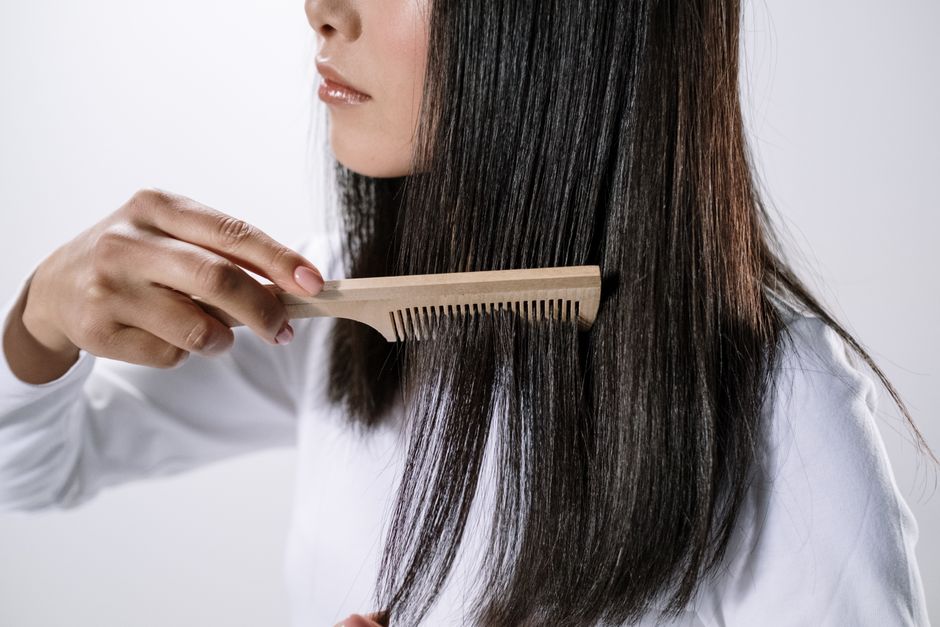
A silk press is a heat styling method that uses a flat iron to temporarily straighten natural hair, leaving it smooth and shiny without chemical relaxers. Traditional hair pressing uses a hot comb or pressing comb heated on a stove or in an electric heating unit to achieve a similar straightened effect. The key difference is the tool used, the technique, and how the heat is applied to the hair shaft.
What Is Hair Pressing Silk Press Vs Traditional?
The main difference comes down to the tools and the technique. A silk press uses a flat iron on clean, blow-dried hair to create a sleek, shiny finish. Traditional pressing uses a heated metal comb that is passed through the hair in sections. Both methods are temporary. Both methods stop working once the hair gets wet or is exposed to high humidity.
Traditional pressing has been used for decades, especially before chemical relaxers became common. The hot comb flattens the hair cuticle by direct contact with intense heat. A silk press is a more modern approach that many stylists prefer because it offers more control over the temperature and the final look.
Neither method changes the hair’s natural structure permanently. The results last until the next wash day.
How Does a Traditional Hair Press Work?
A traditional press involves a metal comb with teeth that are heated before use. Stylists historically heated the comb on a stove, but modern versions use electric heaters. The comb is passed through small sections of hair, often with a pressing oil or cream applied first to protect the strands and help the comb glide.
The heat from the metal flattens the hair shaft. The cuticle lies down, and the hair appears straighter and shinier. The process requires skill. If the comb is too hot, it can burn the hair or the scalp. If it is not hot enough, it will not straighten the hair effectively.
Traditional pressing can be done on hair that is completely dry. Some stylists use a technique called a “soft press,” which removes about 50 to 60 percent of the curl. A “hard press” removes nearly all of the curl and leaves the hair very straight. These terms are still used in some salons today.
How Does a Silk Press Differ?
A silk press starts with clean, freshly washed hair. The hair is then blow-dried thoroughly before any flat iron touches it. This step is critical. Hair that is even slightly damp can be damaged by the high heat of a flat iron.
Once the hair is completely dry, the stylist uses a flat iron on small sections. The temperature is typically set between 350 and 450 degrees Fahrenheit, depending on the hair’s texture and condition. Finer hair needs lower heat. Coarse or thick hair may need higher heat.
The flat iron plates apply even pressure to both sides of the hair strand. This creates a smooth, glass-like finish that many people describe as “silky.” The name “silk press” comes from this silky appearance, not from any product used during the process.
Heat protectant products are almost always applied before ironing. These products help reduce moisture loss and limit damage to the hair cuticle.





Which Method Causes More Hair Damage?
Both methods carry risk if done incorrectly. The traditional hot comb can reach very high temperatures, and it is harder to control the exact heat level. This increases the risk of burning the hair or the scalp. Over time, repeated pressing with a hot comb can cause dryness, breakage, and split ends.
A silk press uses a flat iron with adjustable temperature settings. This gives the stylist more control. However, flat irons can still cause damage if used too often, at too high a heat, or on hair that is not fully dry.
Research on heat styling consistently shows that high heat damages the hair cuticle. The damage appears as dryness, dullness, and breakage. The key factor is not the tool itself but how often heat is applied and how well the hair is protected.
The safest approach with either method is to limit how often you use them. Many stylists recommend waiting at least two weeks between heat styling sessions. Some recommend even longer for hair that is already damaged or color-treated.
How Long Do the Results Last?
Both a silk press and a traditional press last until the hair gets wet or is exposed to significant humidity. For most people, this means the style lasts about one to two weeks. Sleeping with a satin or silk scarf or bonnet can help extend the results by reducing friction and moisture loss.
Humidity is the main enemy of both styles. Water vapor in the air can cause the hair to revert to its natural curl pattern. This is not a sign that the treatment failed. It is simply the hair returning to its natural state.
Some people find that a silk press lasts slightly longer than a traditional press because the flat iron seals the cuticle more evenly. But this varies from person to person. Hair texture, porosity, and local climate all play a role.
Which Method Is Better for Natural Hair?
For most people with natural hair, a silk press is the safer and more predictable option. The temperature control and even pressure of a flat iron reduce the risk of hot spots that can burn the hair. The process also allows the stylist to work in smaller sections, which means more thorough straightening with less repeated passes over the same area.
Traditional pressing is still used in some salons, especially for clients who prefer the traditional method or who have very short hair where a flat iron is difficult to maneuver. Some older clients also request a hot comb press because it is what they grew up with.
Neither method is inherently “better” in all cases. The right choice depends on your hair type, your stylist’s experience, and your personal preference. If you have fine or fragile hair, a silk press with lower heat settings is generally gentler. If you have very thick, coarse hair, a traditional press may produce a straighter result in less time.
Can You Do a Silk Press at Home?
Yes, but it requires practice and the right tools. You need a high-quality flat iron with adjustable temperature settings, a blow dryer with a nozzle attachment, and a heat protectant product. You also need to be patient. Rushing the blow-dry step is the most common mistake people make at home.
Start with freshly washed and deep-conditioned hair. Blow-dry the hair in small sections until it is completely dry. Then go over each section with the flat iron, moving slowly from root to tip. Do not pass over the same section more than twice. More passes mean more heat exposure and more potential damage.
If you are new to this, consider having a professional do it once so you can see the technique in person. Watch how they section the hair, how they hold the iron, and how fast they move. Then try to replicate that at home.
What Products Should You Use?
A heat protectant is the most important product for both methods. Look for one that contains silicones or other film-forming ingredients. These create a barrier between the hair and the heat. Some research suggests that heat protectants reduce moisture loss during styling, though they cannot prevent all damage.
For a silk press, a lightweight smoothing serum or oil can help add shine after styling. Avoid heavy oils that can weigh the hair down or make it look greasy. A small amount goes a long way.
For a traditional press, pressing oils or creams were historically used to help the hot comb glide through the hair. These products are still available, but many modern stylists prefer lighter heat protectants instead.
Do not rely on products to fix damaged hair. If your hair is already dry, brittle, or breaking, heat styling will make it worse. Focus on moisture and protein balance first, and wait until the hair is healthy before applying high heat.
Frequently Asked Questions
Is a silk press the same as a relaxer?
No. A relaxer chemically alters the hair structure permanently, while a silk press only straightens the hair temporarily with heat. The results of a silk press wash out, but a relaxer does not.
How often should you get a silk press?
Most stylists recommend waiting at least two to three weeks between silk presses to limit heat damage. If your hair is already damaged or color-treated, wait longer or avoid heat styling altogether.
Can a silk press damage your hair?
Yes, if done too often or at too high a temperature. Heat styling removes moisture from the hair shaft, which can lead to dryness and breakage over time. Using a heat protectant and lower heat settings reduces the risk.
Does a traditional press last longer than a silk press?
Not necessarily. Both styles last until the hair gets wet or is exposed to high humidity. Individual results depend on hair texture, porosity, and the climate where you live.
