
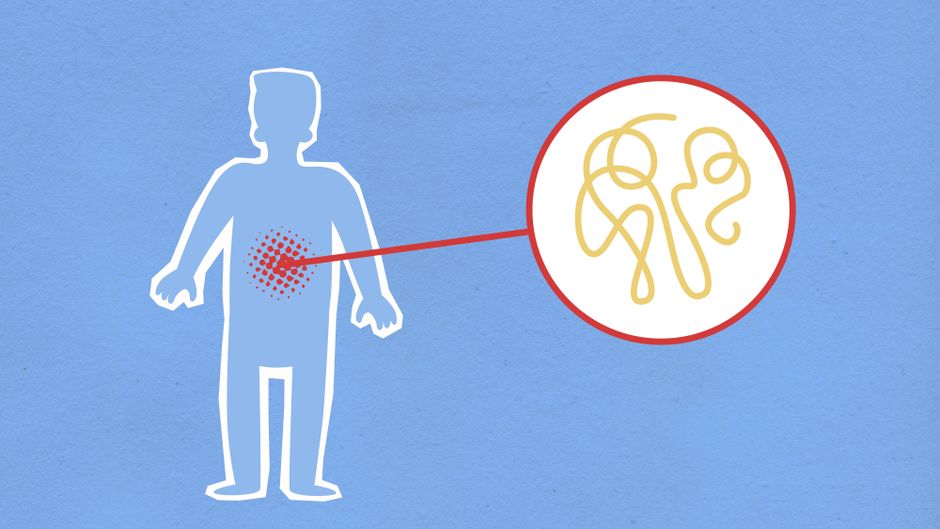
Gut permeability, often called “leaky gut,” describes how easily substances pass through the lining of your intestines into your bloodstream. Your intestinal lining is designed to absorb water and nutrients while blocking larger particles like undigested food, toxins, and bacteria. When this barrier becomes too loose, larger molecules can slip through, which triggers an immune response. This concept matters because it connects your digestive health to inflammation throughout your entire body, though the term “leaky gut” is not an official medical diagnosis.
What Is Gut Permeability And Why Does It Matter?
Your gut lining is a single layer of cells that acts as a gatekeeper. These cells are held together by tight junctions — proteins that act like zippers between each cell. In a healthy gut, these zippers stay mostly closed, allowing only small, fully digested nutrients to pass through.
When those junctions loosen, the barrier becomes more permeable. Larger particles can then enter your bloodstream. Your immune system does not recognize these particles as food. It treats them as threats and attacks them. This immune activity can cause inflammation, both inside the gut and in other parts of the body.
The reason this matters is simple: the barrier between your gut and your bloodstream is one of the largest surfaces your immune system monitors. A compromised barrier does not just affect digestion. It can influence skin conditions, joint pain, fatigue, and even mood. However, the scientific community is still debating how much of this is cause and how much is effect.
What Causes Increased Intestinal Permeability?
Several factors can loosen those tight junctions. The most well-studied cause is a group of proteins called zonulin. When zonulin is released, it tells the tight junctions to open. Certain bacteria in the gut and gluten — specifically a fragment of gluten called gliadin — can trigger zonulin release in some people.
Other contributors include:
- Nonsteroidal anti-inflammatory drugs (NSAIDs) like ibuprofen and aspirin, especially with long-term use
- Excessive alcohol consumption
- Chronic stress
- A diet high in ultra-processed foods and low in fiber
- Certain infections that damage the intestinal lining
- Radiation therapy or chemotherapy
The evidence for some of these is stronger than for others. NSAIDs and alcohol have solid research behind them. The impact of diet and stress is real but harder to measure precisely because everyone’s gut responds differently.
How Do Doctors Test for Leaky Gut?
There is no standard test for gut permeability that doctors use in routine practice. The tests that exist are mostly used in research settings.
The most common research method is the lactulose-mannitol test. You drink a solution containing both sugars. Lactulose is a large sugar molecule that should not pass through a healthy gut lining easily. Mannitol is smaller and passes through more readily. By measuring how much of each appears in your urine over the next several hours, researchers can estimate how permeable your gut is.
Some commercial labs offer this test directly to consumers. Be cautious here. These tests have not been validated for diagnosing a condition in everyday clinical settings. A high result does not necessarily mean you have a disease, and a normal result does not guarantee perfect gut health. If you are concerned, talk to a doctor rather than ordering a test online.





What Conditions Are Linked to Increased Permeability?
Research has found increased intestinal permeability in several chronic conditions. It is important to understand that this does not mean leaky gut causes these conditions. The relationship may go in the opposite direction — the condition itself may damage the gut lining.
Conditions with documented links to increased permeability include:
- Celiac disease — this is the clearest example. An abnormal immune response to gluten damages the gut lining, and permeability increases. A strict gluten-free diet helps the lining heal.
- Inflammatory bowel disease (IBD), including Crohn’s disease and ulcerative colitis
- Irritable bowel syndrome (IBS), though the evidence is less consistent
- Type 1 diabetes — some studies show increased permeability before the disease develops
- Non-alcoholic fatty liver disease
- Certain autoimmune conditions, including rheumatoid arthritis and lupus
For most of these, the permeability change is a symptom or contributor, not the root cause. Treating the underlying condition is the primary goal. Simply trying to “seal” the gut without addressing the disease is not supported by evidence.
Can You Repair a Leaky Gut?
The gut lining regenerates quickly. Intestinal cells turn over every few days. This means the lining has a real capacity to heal if the damaging factor is removed.
For people with celiac disease, removing gluten allows the lining to repair. For those with IBD, controlling inflammation with medication is the path to healing. For NSAID-related permeability, stopping the drug usually restores normal barrier function within days to weeks.
Dietary changes that may support barrier health include eating more fiber, fermented foods, and foods rich in polyphenols like berries and green tea. Studies suggest these foods support beneficial gut bacteria, which in turn produce short-chain fatty acids — compounds that feed intestinal cells and help maintain tight junctions.
Some clinicians recommend specific supplements like L-glutamine, zinc, or collagen for gut healing. The evidence here is limited. L-glutamine has shown some promise in animal studies and small human trials, particularly for people with IBS or those recovering from intestinal injury. But no large clinical trials have confirmed that these supplements repair a leaky gut in the general population.
Be skeptical of products marketed as “leaky gut cures.” No single supplement has been proven to fix intestinal permeability. The most reliable approach is removing the cause of the damage and eating a diet that supports gut health overall.
Is the Leaky Gut Diet Worth Trying?
The “leaky gut diet” is not a standardized medical protocol. It usually involves eliminating processed foods, sugar, gluten, and dairy, then gradually reintroducing them to identify triggers.
There is no harm in eating fewer processed foods and more whole foods. Most people would benefit from that change regardless of their gut health. The elimination phase can also help you notice patterns between what you eat and how you feel.
However, be wary of overly restrictive protocols. Cutting out entire food groups without medical supervision can lead to nutrient deficiencies. If you suspect you have a food sensitivity, consider working with a registered dietitian or doctor who can guide a structured elimination diet properly.
What Does the Scientific Community Actually Say?
The scientific community accepts that intestinal permeability is real. It is a measurable biological phenomenon. What is debated is how central it is to disease.
Some researchers argue that increased permeability is a major driver of chronic inflammation and autoimmunity. Others believe it is mostly a consequence of existing disease, not a cause. The truth is likely somewhere in between, and it probably varies by condition.
A 2020 review in the journal Nutrients examined the role of intestinal permeability in chronic disease. The authors concluded that while permeability changes are observed in many conditions, the evidence does not yet support permeability as a primary cause for most of them.
The term “leaky gut syndrome” as a standalone diagnosis is not recognized by major medical organizations. This does not mean the phenomenon is fake. It means the label oversimplifies a complex biological process that is still being studied.
When Should You See a Doctor?
See a doctor if you have persistent digestive symptoms like bloating, diarrhea, constipation, abdominal pain, or unintended weight loss. These symptoms can indicate conditions that need proper diagnosis and treatment.
Do not self-diagnose leaky gut based on online quizzes or symptom checklists. Many of the symptoms attributed to leaky gut — fatigue, brain fog, skin issues, joint pain — are nonspecific. They can come from many different causes, including vitamin deficiencies, thyroid problems, or mental health conditions.
A doctor can run appropriate tests to rule out more serious conditions. If your tests come back normal, you can then work with them on lifestyle changes that support digestive health without chasing an unproven diagnosis.
Frequently Asked Questions
Can leaky gut cause weight gain?
There is no direct evidence that increased intestinal permeability causes weight gain. However, chronic inflammation from any source can influence metabolism, so the relationship is biologically plausible but unproven.
How long does it take to heal a leaky gut?
Healing time depends on what is causing the damage. Removing the trigger — like gluten in celiac disease or NSAIDs — can allow the lining to repair within days to weeks, but full recovery may take months in more severe conditions.
Is leaky gut a real medical condition?
Increased intestinal permeability is a real, measurable biological change. However, “leaky gut syndrome” is not an accepted medical diagnosis, and its role in causing disease is still being researched.
What foods should you avoid with leaky gut?
No specific food list is backed by strong evidence. Reducing ultra-processed foods, excessive alcohol, and foods that trigger your individual symptoms is a reasonable starting point, but this is not a proven treatment protocol.
