
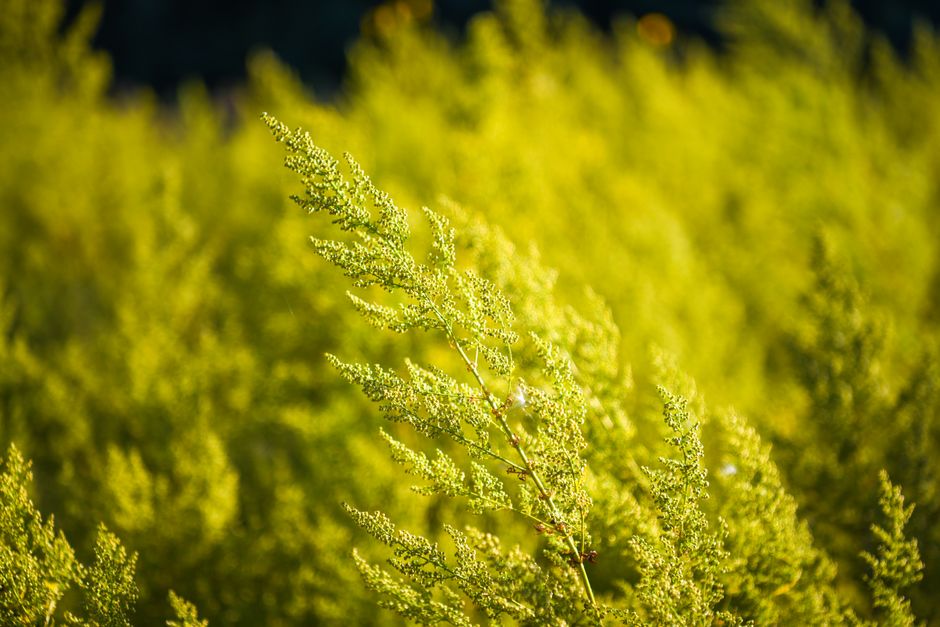
Goldenrod is a yellow-flowering plant that has been used in European herbal medicine for decades, mainly for urinary complaints and inflammation. It is not a proven cure for urinary tract infections, and it should not replace antibiotics when antibiotics are needed. The strongest case for goldenrod is as a traditional supportive remedy for mild urinary discomfort and as a mild anti-inflammatory herb — not as a standalone treatment for infection.
If you have symptoms of a UTI — burning, urgency, frequent urination, or blood in the urine — see a clinician. Goldenrod does not treat the underlying bacterial infection.
What Is Goldenrod Good For Utis Inflammation And More?
Goldenrod (Solidago species) is used traditionally for three main things: flushing the urinary tract, calming mild inflammation, and easing minor digestive complaints. The evidence behind these uses is uneven. Some is reasonable, some is thin, and some is largely marketing.
The plant contains compounds called flavonoids and phenolic acids, along with small amounts of essential oil. These are the constituents most often studied for their biological activity. In laboratory studies, goldenrod extracts show anti-inflammatory and antimicrobial activity. Lab results do not automatically translate into clinical benefit in people, and this distinction matters.
Here is the honest position on each common use:
- Urinary tract support: Goldenrod is approved in some European countries as a traditional herbal medicine for increasing urine flow and flushing the urinary tract. This is a diuretic-type effect, not an antibiotic effect.
- Inflammation: Some studies suggest anti-inflammatory activity, but large human trials are lacking.
- Cold and flu symptoms: Traditional use exists, but clinical evidence is limited.
- Kidney and bladder “cleansing”: No clinical evidence supports this framing.
One clarification worth making: goldenrod is often confused with ragweed, and people assume it causes hay fever. Goldenrod pollen is heavy and sticky and is carried by insects, not wind. Ragweed, which blooms at the same time, is the more common cause of seasonal allergy symptoms. That said, some people with plant allergies do react to goldenrod, so caution is reasonable.
Does Goldenrod Actually Treat a UTI?
No. Goldenrod does not treat a urinary tract infection. A UTI is a bacterial infection, most often caused by Escherichia coli, and it requires antibiotics to clear. No herbal product has been shown in clinical trials to cure a UTI.
What goldenrod may do is increase urine output. This is sometimes described as “flushing” the urinary tract. Increased urine flow can help dilute urine and may make urination less uncomfortable. It does not kill bacteria. It does not clear an infection. It does not prevent a kidney infection from developing.
This distinction is not academic. An untreated UTI can spread to the kidneys, and kidney infections are serious. Symptoms that warrant prompt medical care include fever, chills, back or side pain, nausea, and vomiting. In older adults, confusion can be a sign of infection. Do not wait these out.
Some people use goldenrod alongside antibiotics, or for mild urinary discomfort when no infection is present. That is a different situation from treating an active infection, and it should be discussed with a clinician who knows your history.
What Does the Research Show About Goldenrod and Inflammation?
The evidence is mixed. Laboratory studies consistently show that goldenrod extracts have anti-inflammatory activity. Human trials are much thinner, and most are small.
Some research suggests goldenrod may help with mild inflammation of the urinary tract, which is why it appears in European herbal traditions for this purpose. The German Commission E, a regulatory body that assessed herbal medicines, approved goldenrod for inflammatory conditions of the urinary tract and for flushing therapy. That approval reflects traditional use and safety more than large-scale clinical trials.
What the research does not show is that goldenrod treats systemic inflammation, autoimmune conditions, or chronic inflammatory disease. Claims along these lines go beyond what has been studied. If you see goldenrod marketed for “whole-body inflammation” or similar language, treat that as marketing rather than medicine.
How Is Goldenrod Usually Taken?
Goldenrod is most commonly taken as a tea, a liquid extract, or a capsule. Dosing varies widely between products, and there is no single standard dose established in US clinical guidelines.
Traditional herbal references describe goldenrod tea made from dried herb steeped in hot water, taken a few times daily. Extracts and capsules vary by manufacturer. Because herbal products are not standardized the way prescription drugs are, the amount of active plant material in a given product can differ substantially from what the label suggests.
If you are considering goldenrod, a few practical points matter:
- Check with a pharmacist or clinician before combining it with prescription medicines.
- Buy from companies that test for purity and contamination, since herbal supplements are not tightly regulated in the US.
- Stop and seek advice if symptoms worsen or do not improve.
No clinical guidelines currently exist for goldenrod use in pregnant women, breastfeeding women, infants, or children. It should not be given to these groups without medical guidance.
Who Should Be Careful With Goldenrod?
Goldenrod is generally considered safe for most adults when taken in typical amounts, but it is not risk-free. The main concerns involve allergies, drug interactions, and underlying conditions.
People with allergies to plants in the aster family — ragweed, chrysanthemums, marigolds, daisies — may react to goldenrod. Because goldenrod is often confused with ragweed, some people avoid it unnecessarily, while others who are genuinely sensitive assume it is harmless.
Goldenrod has diuretic effects, meaning it increases urine flow. That matters for several groups:
- People taking diuretics or blood pressure medicines: Combining goldenrod with these could increase their effect.
- People with kidney disease or heart failure: Fluid balance is delicate, and diuretic herbs can complicate management.
- People with diabetes: Some evidence suggests goldenrod may affect blood sugar, which could matter alongside diabetes medication.
- People with low blood pressure: Increased urination can lower blood pressure further.
Goldenrod may also interact with lithium and with medicines that affect the kidneys. This is not a complete list. If you take any prescription medicine, check before adding an herbal product.
Is Goldenrod a Replacement for Medical Treatment?
No. Goldenrod is a traditional herbal remedy with some supporting evidence for mild urinary complaints and inflammation. It is not a substitute for antibiotics, medical evaluation, or treatment of a diagnosed condition.
The pattern worth noticing is that many herbal products are marketed for the same symptoms as serious conditions — burning urination, fatigue, digestive upset. Those symptoms can signal something that needs a clinician’s eye. Using an herbal remedy to manage symptoms can delay that evaluation. Delay is the real risk here, not the herb itself.
If you want to try goldenrod for mild, non-urgent symptoms, that is a personal choice to discuss with a healthcare provider. If you have an active infection, unexplained symptoms, or symptoms that are getting worse, the herb is not the answer.
For readers comparing options, the honest summary is this: goldenrod has a long history of use and a reasonable safety profile for most adults. It has not been shown to cure infections, and claims that it does are not supported by clinical evidence. Treat it as a supportive traditional remedy, not a treatment.
Frequently Asked Questions
Can goldenrod cure a UTI?
No. Goldenrod has not been shown to cure urinary tract infections, which are bacterial and require antibiotics. It may increase urine flow, but that does not clear an infection.
What is goldenrod used for traditionally?
It has been used in European herbal medicine to increase urine flow, ease mild urinary discomfort, and calm mild inflammation. These uses are based largely on tradition rather than large clinical trials.
Does goldenrod cause hay fever?
Goldenrod is often blamed for seasonal allergies, but its pollen is heavy and carried by insects, not wind. Ragweed, which blooms at the same time, is the more common cause of hay fever symptoms.
Is goldenrod safe to take every day?
No clinical guidelines establish a safe daily dose or long-term use schedule for goldenrod. Short-term use is more typical in traditional practice, and anyone taking regular medication should check with a clinician first.
