
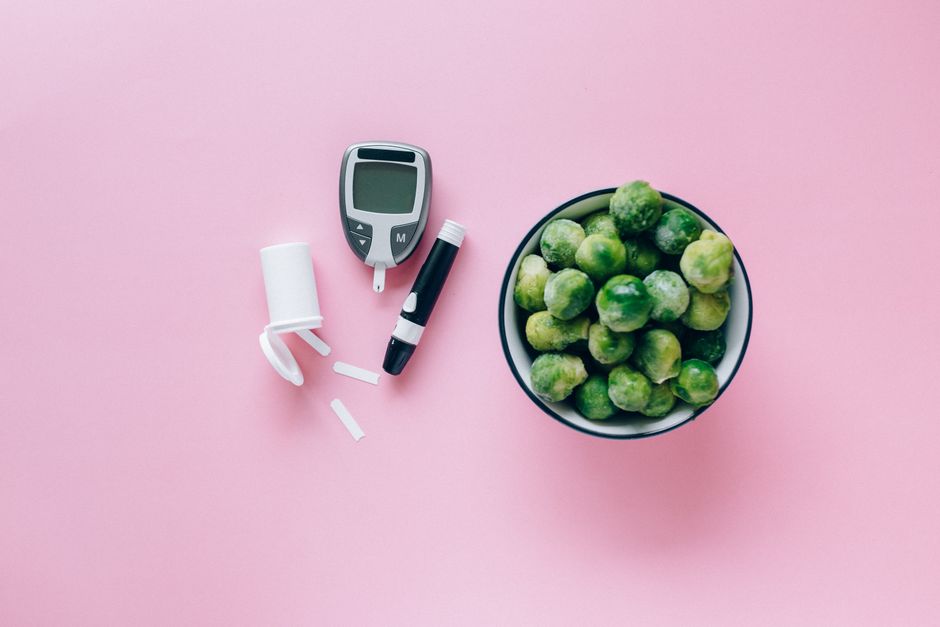
The glycemic index is a number from 0 to 100 that ranks how quickly a carbohydrate-containing food raises blood sugar levels compared to pure glucose. Foods with a high glycemic index cause a fast and sharp rise in blood sugar, while low glycemic index foods cause a slower, more gradual increase. This ranking system helps people understand how different carbohydrates affect their body, which is useful for managing diabetes, weight, and overall energy levels.
How Does the Glycemic Index Actually Work?
When you eat carbohydrates, your body breaks them down into glucose, which enters your bloodstream. The speed of this process depends on the food’s structure, fiber content, fat content, and how it is prepared.
Pure glucose is the reference point and is assigned a value of 100. Foods are then tested in groups of volunteers who eat a portion containing 50 grams of digestible carbohydrate. Their blood sugar is measured over the next two hours and compared to their response to pure glucose.
The resulting number places foods into one of three categories. Low glycemic index foods score 55 or less. Medium glycemic index foods score between 56 and 69. High glycemic index foods score 70 or above.
These categories are the standard reference ranges used in clinical practice and research. A low glycemic index diet typically emphasizes foods that score below 55.
What Is Glycemic Index? Key Information on the Scale
The scale is not a measure of how much sugar is in a food. It measures how quickly that sugar enters your bloodstream. This is a common point of confusion.
For example, a watermelon has a relatively high glycemic index around 72 to 80, even though it is mostly water and contains a moderate amount of sugar per serving. Conversely, chocolate cake has a lower glycemic index around 38, not because it is healthier, but because its high fat content slows down stomach emptying and sugar absorption.
This distinction matters. A food can have a low glycemic index but still be high in calories, saturated fat, or refined ingredients. The glycemic index is one tool, not a complete grading system for nutritional quality.
Glycemic Index vs. Glycemic Load: What Is the Difference?
The glycemic index has a known limitation. It tells you the quality of the carbohydrate but not the quantity you are actually eating. That is where glycemic load comes in.
Glycemic load is calculated by multiplying the glycemic index of a food by the grams of carbohydrate in a serving, then dividing by 100. This gives you a more realistic picture of how a typical portion will affect your blood sugar.
For instance, carrots have a glycemic index around 39, which is considered low. But a single carrot contains few carbohydrates, so its glycemic load is very low. Watermelon has a high glycemic index, but a typical serving still produces a modest glycemic load because the carbohydrate content per serving is not extreme.
Research consistently shows that glycemic load is a more practical predictor of blood sugar response than glycemic index alone. Many dietitians now recommend using both numbers together, but if you only track one, glycemic load may be the more useful daily tool.





What Foods Have Low, Medium, and High Glycemic Index Values?
Knowing the categories helps with everyday food choices. The following values reflect established clinical data on common foods.
| Category | Score Range | Common Examples |
|---|---|---|
| Low Glycemic Index | 55 or less | Steel-cut oats, lentils, chickpeas, most whole fruits, sweet potatoes, barley |
| Medium Glycemic Index | 56 to 69 | Basmati rice, whole wheat bread, quick oats, pineapple, raisins |
| High Glycemic Index | 70 or above | White bread, cornflakes, instant mashed potatoes, watermelon, white rice |
Preparation changes these values. Pasta cooked al dente has a lower glycemic index than pasta cooked soft. A ripe banana has a higher glycemic index than a slightly green one. Cooling cooked potatoes or rice in the refrigerator increases resistant starch content, which lowers their glycemic response when eaten cold or reheated.
Does the Glycemic Index Help with Diabetes Management?
For people with diabetes, controlling blood sugar spikes after meals is a primary goal. Low glycemic index foods produce smaller and slower glucose rises, which can make blood sugar easier to manage.
Some research suggests that replacing high glycemic index foods with low glycemic index versions can lead to modest improvements in long-term blood sugar control, measured by HbA1c levels. The effect is generally small but clinically meaningful when combined with other dietary strategies.
However, the glycemic index is not a substitute for carbohydrate counting or medication management. A food with a low glycemic index still contains carbohydrates that raise blood sugar. Portion size still matters. People on insulin or certain diabetes medications should not change their eating patterns without discussing it with their healthcare provider.
The evidence is stronger for type 2 diabetes than for type 1 diabetes. In type 1 diabetes, the insulin dose must be matched to carbohydrate intake, so the glycemic index plays a more supplementary role.
Can a Low Glycemic Index Diet Support Weight Loss?
The theory is straightforward. Low glycemic index foods digest more slowly, which may extend feelings of fullness and reduce hunger between meals. This could naturally lead to eating fewer calories.
Clinical trials comparing low glycemic index diets to other dietary approaches have produced mixed results. Some studies show modest weight loss advantages, while others find no significant difference when total calories and protein are matched between groups.
What the evidence does support is that low glycemic index foods tend to be less processed and higher in fiber, which benefits satiety and overall diet quality. The weight loss effect likely comes from the food choices themselves rather than the glycemic index number alone.
No high-quality evidence confirms that a low glycemic index diet produces greater long-term weight loss than other calorie-controlled eating patterns. It is a reasonable approach for many people, but it is not a guaranteed method for weight loss.
What Are the Limitations of the Glycemic Index?
The glycemic index has several limitations that are important to understand. Individual blood sugar responses to the same food vary considerably from person to person. Factors like genetics, gut bacteria, insulin sensitivity, and even the time of day influence how your body responds.
Combining foods changes the glycemic response. Adding protein, fat, or fiber to a high glycemic index food slows digestion and lowers the overall blood sugar spike. Eating a meal rather than a single food produces a different response than the individual glycemic index values would suggest.
The glycemic index does not account for the total nutritional value of a food. Ice cream has a lower glycemic index than brown rice, but that does not make it a better nutritional choice. The glycemic index is a measure of one specific physiological response, not a measure of overall healthfulness.
Some research also suggests that the glycemic index may be less relevant in the context of mixed meals that already contain adequate protein and fiber. The effect of a single food’s glycemic index can be diluted significantly when eaten as part of a balanced plate.
How to Use the Glycemic Index in Daily Life
Practical application does not require memorizing every number. A few simple strategies can shift your overall dietary pattern toward lower glycemic responses.
Choose intact whole grains over refined grains. Steel-cut oats, barley, quinoa, and brown rice generally produce lower glycemic responses than their refined counterparts. Eat fruits rather than drinking fruit juice. Whole fruits contain fiber that slows sugar absorption, while juice removes most of that fiber.
Pair carbohydrates with protein or healthy fat. Adding eggs to toast, nuts to fruit, or chicken to rice lowers the overall glycemic response of the meal. Watch portion sizes even with low glycemic index foods. The total amount of carbohydrate still determines your blood sugar response.
Do not use the glycemic index as the sole basis for food decisions. A balanced diet with adequate vegetables, protein, and healthy fats matters more than optimizing every glycemic index score.
Frequently Asked Questions
What is a normal glycemic index range?
Low glycemic index foods score 55 or less, medium foods score 56 to 69, and high foods score 70 or above.
Is a low glycemic index diet healthy for everyone?
Low glycemic index eating patterns are generally safe and align with standard dietary advice to emphasize whole grains, legumes, and vegetables.
Do glycemic index values change when food is cooked?
Yes, cooking and processing methods alter glycemic index values, with softer or more processed foods typically scoring higher than firm or intact versions.
Can I use the glycemic index to lose weight?
Some evidence suggests low glycemic index diets may help with appetite control, but weight loss results depend on overall calorie intake and diet quality rather than glycemic index alone.
