
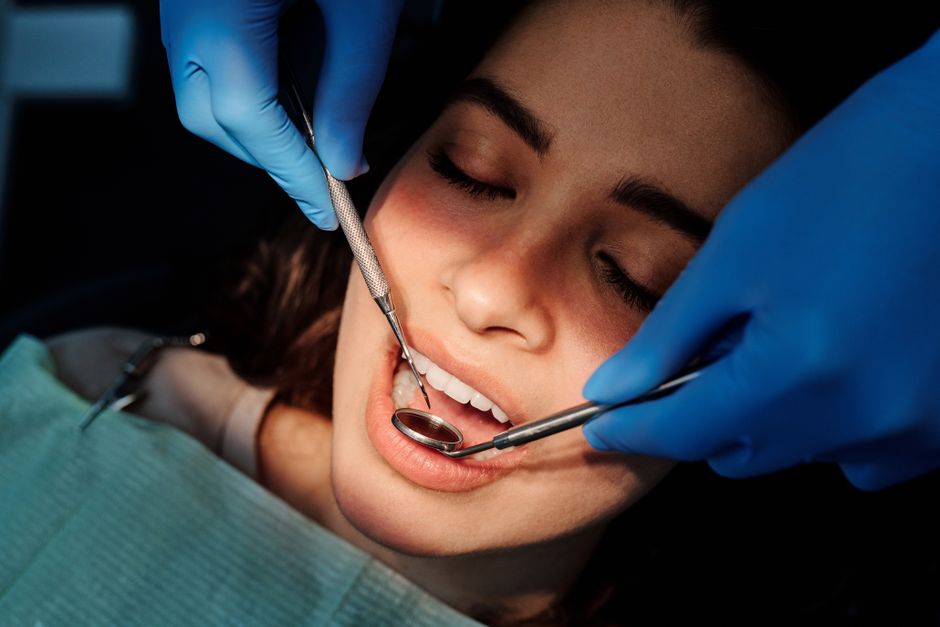
Gingivoplasty is a dental procedure that reshapes the gums to improve function, health, or appearance. Recovery typically takes one to two weeks, with most swelling and discomfort gone within a few days. Results include healthier gum contours, easier cleaning, and a more even smile line.
What Is a Gingivoplasty?
Gingivoplasty is a surgical procedure that reshapes the gum tissue around teeth. Unlike gingivectomy, which removes diseased gum tissue, gingivoplasty focuses on contouring healthy gum tissue. The goal is to create a natural, functional shape that makes cleaning easier and improves the look of the smile.
The procedure is often performed by a periodontist or an oral surgeon. It can be done on one tooth or several teeth. In most cases, the gums are healthy before the procedure begins. Gingivoplasty is not a treatment for gum disease. It is done after gum disease has been treated and the tissue is stable.
Who Might Need a Gingivoplasty?
People with naturally uneven gum lines may choose gingivoplasty for cosmetic reasons. Others may have excess gum tissue that covers part of the tooth crown, making teeth appear short. Some patients develop bulbous or irregular gum contours after orthodontic treatment or gum disease therapy.
Functional reasons also prompt the procedure. Deep pockets or irregular gum shapes can trap food and plaque, increasing the risk of decay and inflammation. Reshaping the gums makes oral hygiene more effective. Your dentist or periodontist will examine your gum health and anatomy to determine if you are a good candidate.
How Is the Procedure Done?
Gingivoplasty is usually performed under local anesthesia. The dentist or periodontist uses a scalpel, laser, or electrosurgery device to trim and reshape the gum tissue. Lasers are increasingly common because they reduce bleeding and shorten recovery time.
The procedure typically takes 30 minutes to two hours depending on the number of teeth involved. If multiple areas need work, the surgeon may divide it into separate appointments. After the reshaping, the gums are cleaned and a periodontal dressing may be placed to protect the surgical site.





What Does Recovery Involve?
Recovery from gingivoplasty is generally mild. Most people experience swelling, tenderness, and minor bleeding for the first 24 to 48 hours. Pain is usually controlled with over-the-counter ibuprofen or acetaminophen. Your dentist may prescribe a stronger pain reliever if needed.
For the first week, you should eat soft foods and avoid anything hard, crunchy, or spicy. Do not brush directly over the surgical site for several days. Rinsing with warm salt water or a prescribed mouthwash helps keep the area clean. Strenuous activity should be avoided for a few days to prevent bleeding.
Stitches, if used, dissolve on their own or are removed during a follow-up visit. Most people return to work or school within two to three days. Complete healing of the gum tissue takes about four to six weeks. During that time, the gums continue to settle into their final shape.
What Results Can You Expect?
Results are visible immediately after swelling subsides, usually within a week. The gums appear smoother and more even. Teeth look longer and more proportional. The gum line becomes easier to clean with a toothbrush and floss.
Long-term results depend on good oral hygiene and regular dental visits. Gingivoplasty does not stop future gum problems. If you do not brush and floss properly, the reshaped gums can become inflamed or recede again. The tissue contour can change over time due to aging or gum disease, but the improved shape is generally stable for many years.
One important point: gingivoplasty does not change the underlying bone. If the problem involves bone loss or abnormal bone contours, a separate procedure called osseous surgery may be needed. Your periodontist will evaluate this during your consultation.
Are There Risks or Complications?
Gingivoplasty is a low-risk procedure when done by an experienced provider. Possible complications include infection, prolonged bleeding, excessive pain, or allergic reaction to anesthesia. In rare cases, the gums may heal unevenly or recede more than expected, exposing tooth roots.
Smoking significantly increases the risk of poor healing and infection. People with uncontrolled diabetes or bleeding disorders should discuss these conditions with their surgeon before scheduling. If you have gum disease that is not fully controlled, the procedure should be delayed until the infection is resolved.
How Does Gingivoplasty Compare to Gingivectomy?
These two procedures are sometimes confused. Gingivectomy removes diseased gum tissue to treat periodontal pockets. Gingivoplasty reshapes healthy gum tissue for function or appearance. In practice, a gingivectomy may include some reshaping, and a gingivoplasty may remove a small amount of tissue. But the primary purpose is different.
Some sources use the terms interchangeably, but dentists distinguish them based on the reason for surgery. If the main goal is treating disease, it is a gingivectomy. If the main goal is reshaping healthy gums, it is a gingivoplasty. Ask your dentist which term applies to your case and what the specific goals are.
Frequently Asked Questions
Is gingivoplasty painful?
You will be numb during the procedure, so you feel no pain. After the anesthesia wears off, most people have mild to moderate discomfort for a few days that is well controlled with pain relievers.
How long does swelling last after gum reshaping?
Swelling peaks at about 48 hours and starts to go down after that. Most visible swelling resolves within one week, but minor puffiness can last up to two weeks.
Can I eat normally after gingivoplasty?
Stick to soft foods for the first week. Avoid hard, crunchy, or spicy foods that could irritate the surgical site. Gradually return to your normal diet as healing allows, typically after about seven to ten days.
Will my teeth look longer after gingivoplasty?
Yes, that is the main cosmetic result. Excess gum tissue is removed, exposing more of the tooth crown. The amount of lengthening depends on how much tissue is removed and the shape of your teeth.
