
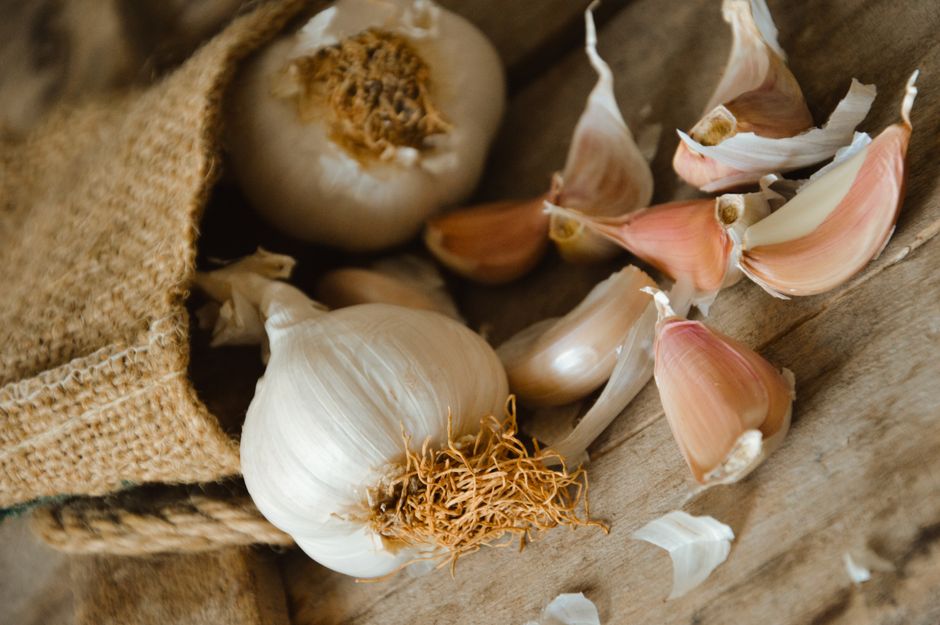
Garlic oil is a concentrated extract made from garlic cloves, and it is used for both cooking and health purposes. Research shows it may support heart health, but many popular claims about it go beyond what the evidence actually supports. This article explains what garlic oil can realistically do, what it cannot do, and the side effects you should know about before using it.
What Is Garlic Oil Health Benefits And Side Effects?
Garlic oil contains active sulfur compounds, most notably allicin, which forms when garlic is crushed or chopped. Allicin is responsible for garlic’s strong smell and most of its biological activity. However, allicin is unstable and breaks down quickly, especially when heated. This matters because many commercial garlic oil products contain little or no active allicin by the time they reach you.
The evidence for garlic oil’s benefits is strongest in the area of cardiovascular health. Some studies have found that garlic preparations can modestly lower blood pressure and total cholesterol levels. The effects are real but small, and they are not a substitute for blood pressure medication or statins. The research on other claimed benefits, such as immune support or cancer prevention, is much weaker and remains unproven in humans.
How Does Garlic Oil Work in the Body?
When you crush or cut a garlic clove, an enzyme called alliinase converts alliin into allicin. This is the compound that gives garlic its characteristic odor and most of its health-related activity. Allicin then breaks down into other sulfur compounds, including diallyl disulfide and diallyl trisulfide, which are believed to be the active molecules in the body.
These sulfur compounds are thought to affect several biological pathways. They can influence nitric oxide production, which helps blood vessels relax and may explain garlic’s modest blood pressure-lowering effect. They also appear to affect cholesterol synthesis in the liver, though the exact mechanism is not fully understood.
One important limitation is that allicin is highly unstable. Studies show that heating garlic can reduce its allicin content significantly. Cooking garlic before extracting oil, or heating garlic oil during food preparation, may reduce its active compounds. Aged garlic extracts are processed differently and contain different compounds, so the effects may not be identical to fresh garlic oil.
What Does the Research Say About Garlic Oil for Heart Health?
High blood pressure and high cholesterol are the two areas where garlic research is most substantial. A number of clinical trials have examined garlic preparations, including aged garlic extract and garlic powder supplements, rather than garlic oil specifically. The results show small but measurable improvements.
For blood pressure, some studies have found that garlic supplementation can reduce systolic blood pressure by a modest amount in people with hypertension. The effect is roughly comparable to what you might expect from lifestyle changes like increased physical activity, but it is far smaller than what prescription medications achieve. People with normal blood pressure are unlikely to see much change.
For cholesterol, research suggests garlic can lower total cholesterol and LDL cholesterol slightly. The reductions are typically in the range of a few percentage points. This is enough to be clinically meaningful at a population level but not enough to replace statin therapy in people who need it.
It is important to note that most clinical trials used garlic powder tablets or aged garlic extract, not garlic oil. Fewer high-quality studies have tested garlic oil specifically. The evidence for garlic oil’s heart benefits is therefore indirect, based on what we know about garlic compounds more broadly.





What Are the Other Claimed Benefits of Garlic Oil?
Garlic oil is often marketed for immune support, antimicrobial effects, and even as a natural remedy for ear infections. These claims require careful scrutiny.
Garlic does have antimicrobial properties in laboratory settings. Allicin and other sulfur compounds can kill bacteria and fungi in a petri dish. But laboratory activity does not automatically translate to effectiveness in the human body. No large human trials have confirmed that garlic oil can treat or prevent infections when taken orally.
Some people use garlic oil drops in the ear for ear infections. This is a common home remedy, but it is not supported by strong clinical evidence. More importantly, putting any oil in the ear when the eardrum may be perforated can cause serious damage. If you suspect an ear infection, see a healthcare provider before trying home treatments.
Claims that garlic oil boosts immunity or shortens colds have some preliminary support but mixed results overall. Some studies suggest garlic supplements may reduce the frequency of colds, while others show no significant benefit. The evidence is not strong enough to recommend garlic oil as a cold prevention strategy.
What Are the Side Effects and Risks of Garlic Oil?
Garlic oil is generally safe for most people when used in food or taken as a supplement in recommended amounts. But it does have side effects, and some are more common than people realize.
The most common side effects include bad breath, body odor, and digestive upset. Some people experience heartburn, nausea, or diarrhea. These effects are more likely at higher doses. Taking garlic oil with food can reduce stomach irritation.
Bleeding risk is a more serious concern. Garlic and its extracts can inhibit platelet aggregation, which means blood does not clot as quickly. This effect is usually harmless for healthy people, but it can be dangerous for people taking blood thinners such as warfarin. If you take anticoagulant medication or are about to have surgery, talk to your doctor before using garlic oil supplements.
Allergic reactions are possible but uncommon. If you are allergic to garlic or other plants in the Allium family, such as onions or leeks, you should avoid garlic oil.
What Is the Difference Between Garlic Oil and Garlic Supplements?
Garlic oil is not the same as garlic powder tablets or aged garlic extract. The distinction matters because the active compounds differ.
Garlic oil is typically made by steeping crushed garlic in a carrier oil or by distilling garlic cloves. The allicin content depends heavily on the manufacturing process and storage conditions. Many commercial garlic oil products have very low allicin levels because the compound degrades quickly.
Garlic powder tablets are made from dried garlic and are standardized to contain specific amounts of allicin potential. Aged garlic extract is made by soaking garlic in ethanol for months, which converts allicin into other stable compounds with different properties.
When studies show benefits, they often use aged garlic extract or standardized garlic powder, not garlic oil. If you choose a garlic supplement, look for products that state their allicin content or allicin potential on the label. Products that do not list this information may contain very little active compound.
How Should You Use Garlic Oil Safely?
Using garlic oil in cooking is safe and adds flavor without significant health risks. The amounts used in food are small, and any loss of active compounds from heat is not a safety concern.
If you are considering garlic oil supplements, the dosing question is complicated. No clinical guidelines currently exist for garlic oil specifically. Most clinical trials used garlic powder or aged garlic extract at specific doses, and those doses cannot be directly translated to garlic oil products.
The safest approach is to talk with your healthcare provider before starting any garlic supplement, especially if you take medication. Garlic can interact with blood thinners, certain HIV medications, and some drugs processed by the liver. Your doctor can help you weigh potential benefits against risks based on your individual health situation.
Can Garlic Oil Be Applied to the Skin?
Topical use of garlic oil is sometimes recommended for fungal skin infections like athlete’s foot. Garlic does have antifungal properties in laboratory studies, and some small studies have found benefits for topical application. However, the evidence base is thin, and garlic oil can cause skin irritation or chemical burns when applied undiluted.
If you try topical garlic oil, dilute it with a carrier oil such as olive or coconut oil first. Apply a small amount to a small area of skin to test for irritation. Stop using it if you develop redness, burning, or a rash. Skin reactions to garlic can be severe in some people.
Frequently Asked Questions
Can garlic oil lower blood pressure?
Some studies suggest garlic preparations can modestly lower blood pressure in people with hypertension, but most research used garlic powder or aged extract rather than garlic oil. The effect is small and not a replacement for prescribed medication.
Is garlic oil safe to take every day?
Garlic oil is generally safe in food amounts, but daily supplement use may cause digestive upset, bad breath, or increased bleeding risk. Talk to your doctor first if you take blood thinners or have scheduled surgery.
Does garlic oil work for ear infections?
No clinical evidence confirms garlic oil drops treat ear infections, and using them with a perforated eardrum can cause hearing damage. See a healthcare provider for suspected ear infections instead of self-treating.
What is the difference between garlic oil and aged garlic extract?
Garlic oil contains unstable allicin that degrades quickly, while aged garlic extract contains stable sulfur compounds formed during a long soaking process. Most clinical research on garlic health benefits used aged garlic extract, not garlic oil.
