
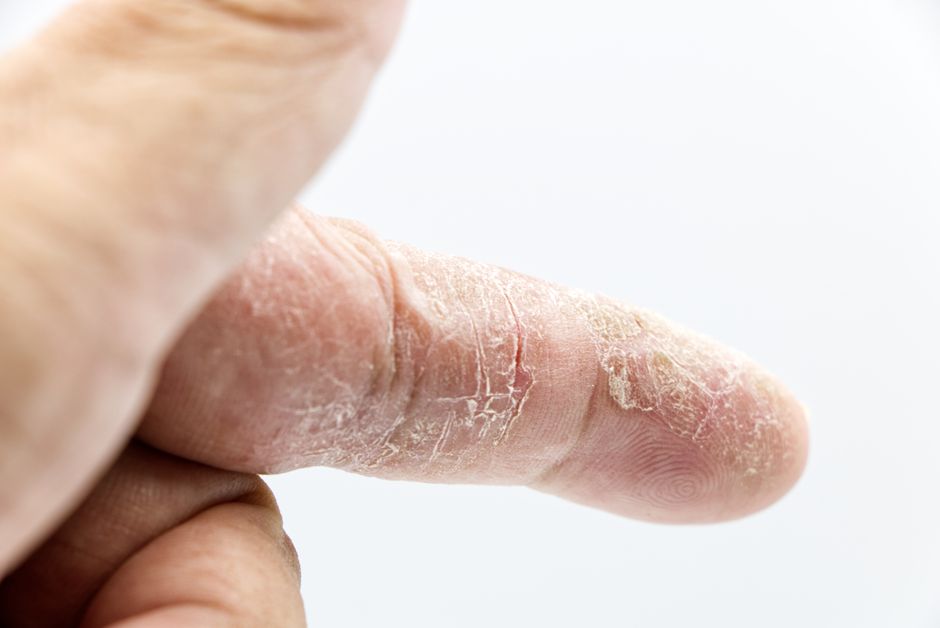
Fungus on the skin is a common infection caused by organisms that live on dead tissue, hair, and nails. It is not a sign of poor hygiene, and it is not caused by a “weak immune system” in most healthy people. These infections are treatable, but the treatment depends on which type you have and where it appears on your body.
Several different fungi cause skin problems, and they do not all behave the same way. Some feed on keratin, the protein that makes up your skin, hair, and nails. Others are yeasts that normally live on your body without causing trouble until something shifts the balance. Knowing which one you are dealing with explains why one treatment works and another does not.
What Is Fungus On Skin Types Causes Treatments?
Skin fungus refers to infections caused by three main groups of organisms: dermatophytes, yeasts, and molds. Each group causes a distinct set of conditions with different appearances and different treatments.
Dermatophytes are the classic “ringworm” fungi. They digest keratin and thrive in warm, moist environments. They cause athlete’s foot, jock itch, scalp ringworm, and body ringworm. The name “ringworm” is misleading — there is no worm involved. The circular rash with a clearer center is simply how the infection spreads outward from a central point.
Yeasts, mainly Candida species, cause infections in skin folds, under breasts, in the groin, and around the diaper area in babies. Malassezia, another yeast, is linked to dandruff, seborrheic dermatitis, and a light or dark patchy rash on the chest and back called pityriasis versicolor.
Molds are less common causes of skin infection in healthy people. They tend to affect people with weakened immune systems or those who handle soil and plants regularly.
The causes of infection are usually straightforward. These organisms prefer warmth and moisture. Shoes that trap sweat, tight clothing, shared locker room floors, and prolonged damp skin all create conditions where fungi multiply. You can catch ringworm from another person, from an animal, or from contaminated surfaces. Candida infections usually come from your own body’s yeast overgrowing when the skin barrier is damaged or the area stays moist.
How Do You Know If A Rash Is Fungal?
You often cannot tell by looking, and that matters because fungal rashes are frequently confused with eczema, psoriasis, and contact dermatitis. A misdiagnosis leads to the wrong treatment, and steroid creams used on a fungal infection can make it worse.
Some patterns are suggestive. Ringworm on the body typically forms a ring-shaped patch with a raised, scaly edge and clearer skin in the middle. Athlete’s foot often causes peeling and cracking between the toes, sometimes with itching or burning. Jock itch produces a red, itchy rash in the groin creases that usually spares the scrotum. Scalp ringworm causes patches of hair loss with broken hairs and scaling.
Those patterns are clues, not proof. A doctor can confirm a fungal infection by scraping a small amount of skin and examining it under a microscope or sending it for culture. This is quick and painless. If a rash does not improve with standard treatment, or keeps coming back, testing is worth asking for.
One point that surprises many people: a fungal rash can look worse after you apply a steroid cream, because steroids calm inflammation and reduce the visible redness while the fungus continues to grow underneath. If a rash briefly improves on a steroid then flares again, that pattern is a reason to get it checked.
What Are The Most Common Types Of Skin Fungus?
The most common types fall into a few recognizable categories, each with its own location and behavior.
- Athlete’s foot (tinea pedis): Affects the feet, especially between the toes. Very common in people who wear closed shoes for long periods.
- Jock itch (tinea cruris): Affects the groin and inner thighs. More common in men and in people who sweat heavily.
- Body ringworm (tinea corporis): Appears on the trunk, arms, or legs as ring-shaped patches.
- Scalp ringworm (tinea capitis): Mostly affects children. Causes scaling and hair loss.
- Nail fungus (onychomycosis): Thickens, discolors, and crumbles the nail. Harder to treat than skin infections because the fungus sits under the hard nail plate.
- Yeast infections in skin folds: Red, moist, sometimes satellite spots near the main rash.
- Pityriasis versicolor: Light or dark patches on the chest and back, often noticed in warm weather.
Nail fungus deserves separate mention because it is stubborn. Topical treatments penetrate the nail poorly, so oral medication is often needed for confirmed cases. Some clinicians treat mild nail fungus with topical lacquers, but the evidence for strong results with topical-only treatment is limited compared with oral therapy.
What Treatments Actually Work For Skin Fungus?
Most skin fungal infections respond to antifungal medication, and the form of medication matters more than the brand. Mild infections on the skin usually clear with topical creams, while scalp and nail infections generally need oral treatment.
Common topical antifungals include clotrimazole, miconazole, terbinafine cream, and ketoconazole. These are available over the counter in many cases. They are applied to the affected area and often a margin around it, usually for a period of weeks. The exact duration depends on the product and the infection, so the instructions on the package or from your clinician matter.
Oral antifungals such as terbinafine and itraconazole are used for scalp ringworm, stubborn body infections, and nail fungus. These require a prescription and, for some, blood monitoring. They are not interchangeable, and which one is appropriate depends on the specific fungus and your health history.
Several things are widely done but not strongly supported by evidence. Tea tree oil has some antifungal activity in laboratory studies, but clinical trials in skin fungal infections are limited and results vary. Home remedies like vinegar soaks or garlic have not been confirmed in reliable human trials. They are not a substitute for proven treatment, especially for scalp or nail infections.
Treatment failure is common for a simple reason: people stop too early when symptoms fade, but the fungus is still present. Finishing the full course reduces the chance of recurrence.
Why Does Fungus Keep Coming Back?
Recurrence is the most common frustration with skin fungus, and it usually has a practical explanation rather than a mysterious one. The fungus was not fully cleared, or the conditions that allowed it to grow were never changed.
Reinfection from the environment is common with athlete’s foot. The fungus can survive in damp shoes, socks, and shower floors. Treating the feet without addressing footwear and surfaces often leads to repeat infections. Washing socks in hot water, drying feet thoroughly including between the toes, and alternating shoes so they dry fully between wears all reduce recurrence.
For yeast infections in skin folds, moisture and friction are the drivers. Keeping the area dry and reducing skin-on-skin contact helps. In some cases, underlying conditions such as diabetes contribute to repeated infections, and that is worth discussing with a clinician.
Nail fungus has high recurrence rates even after successful treatment. The nail grows slowly, and reinfection is easy. This is a realistic expectation to set before starting treatment, not a reason to avoid it.
How Can You Prevent Skin Fungus?
Prevention comes down to keeping skin dry, cool, and clean, and avoiding shared items that can carry fungi. These measures are simple and well supported.
- Dry your feet completely after showering, especially between the toes.
- Wear breathable shoes and change socks when they get damp.
- Avoid walking barefoot in public showers, pools, and locker rooms.
- Do not share towels, clothing, or hairbrushes.
- Change out of damp clothing and swimwear promptly.
- Keep skin folds dry, and use a barrier where friction is a problem.
If you have pets, watch for patches of missing fur or scaly skin, since ringworm can pass from animals to people. If a pet shows signs, a veterinarian can confirm and treat it.
For people who sweat heavily or exercise often, showering soon after activity and drying thoroughly matters more than any single product. No cream prevents infection if the skin stays wet for hours.
When Should You See A Doctor?
See a doctor if a rash is spreading quickly, is very painful, shows signs of bacterial infection such as pus or increasing warmth, or does not improve after a reasonable course of over-the-counter treatment. Scalp and nail infections should be evaluated rather than self-treated, because topical products alone usually do not work for these.
People with diabetes, circulation problems, or weakened immune systems should seek care earlier for any foot or skin infection. In these groups, infections can progress faster and carry more risk.
It is also reasonable to see a doctor when you are not sure what you are treating. A confirmed diagnosis avoids weeks of the wrong cream and the frustration that comes with it.
Frequently Asked Questions
Is skin fungus contagious?
Yes, many skin fungal infections spread from person to person, from animals, or from contaminated surfaces. Yeast infections in skin folds usually come from your own body’s yeast rather than from another person.
Can I treat skin fungus at home?
Mild infections on the body or feet often respond to over-the-counter antifungal creams. Scalp and nail infections generally need prescription treatment, and home remedies have not been confirmed in reliable human trials.
How long does skin fungus take to clear?
It varies by type and location, and no single timeline applies to all infections. Skin infections often improve within weeks of consistent treatment, while nail fungus can take months and has a high recurrence rate.
Does tea tree oil cure skin fungus?
No clinical evidence currently confirms that tea tree oil cures skin fungal infections. Laboratory studies show some antifungal activity, but human trials are limited and results vary.
