
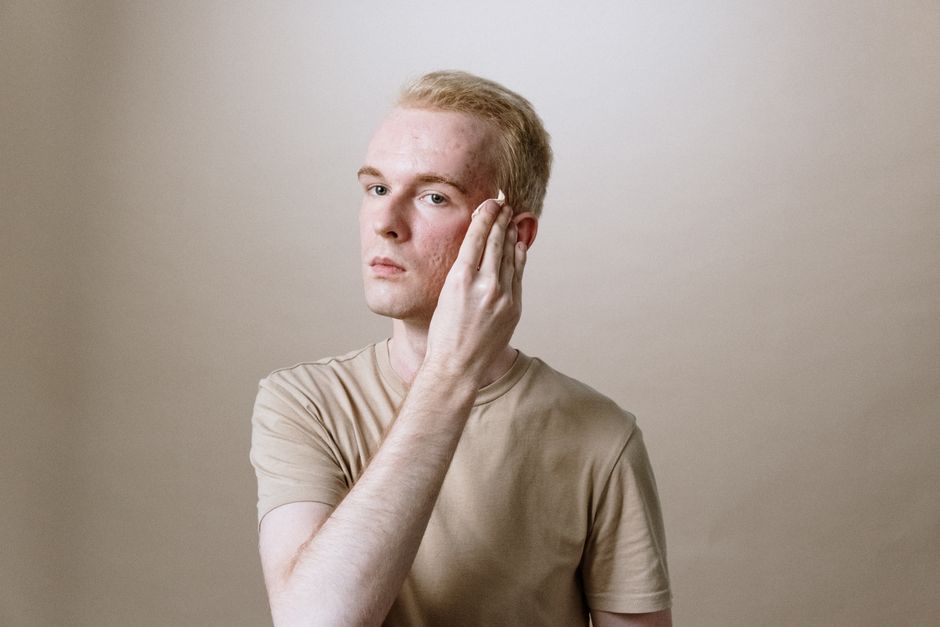
“Fungal acne” is a term you have probably seen on social media, usually attached to a list of products that promise to clear it up. It is not a real medical diagnosis. The skin condition people are describing is called Malassezia folliculitis, and it has nothing to do with the acne most of us had in high school. It is caused by yeast, not bacteria, which is why acne treatments often fail to help it. Understanding that difference is the first step toward getting the right care.
The name spread because the bumps look like acne. They show up as small, itchy, uniform pimples on the chest, back, shoulders, and sometimes the face. A dermatologist can usually tell the difference by looking closely, though sometimes a sample is needed to confirm it.
What Is Fungal Acne and Why Is the Name Misleading?
The honest answer is that “fungal acne” is a nickname, not a medical term. Dermatologists call the condition Malassezia folliculitis, or sometimes Pityrosporum folliculitis, after the yeast that causes it.
Real acne is a disorder of the hair follicle and oil gland driven by bacteria, hormones, and dead skin cells. Malassezia folliculitis is an overgrowth of yeast inside the hair follicle. Different cause, different treatment, different response.
The yeast involved is Malassezia, a genus of fungi that lives on human skin as part of the normal microbiome. It is not a foreign invader you catch from someone else. Nearly everyone carries it. Problems start when it multiplies beyond its usual balance, often inside a hair follicle, and triggers inflammation.
This is why the label matters. If you treat yeast overgrowth with antibacterial acne products, you may make things worse by disrupting the skin barrier without touching the actual cause.
What Does Fungal Acne Look Like?
Malassezia folliculitis produces small, uniform bumps that cluster together. They tend to be roughly the same size, which is one of the clues that separates them from ordinary acne, where you usually see a mix of blackheads, whiteheads, and larger inflamed spots.
Common features include:
- Small, red or skin-colored bumps around the hair follicles
- Clustering on the chest, upper back, shoulders, and sometimes the forehead
- Itching, which is uncommon with typical acne
- Bumps that look alike rather than varying in size
- Little to no blackheads or whiteheads
The itch is a useful distinguishing sign. Acne can be tender, but it rarely itches the way a yeast-driven rash does. If your “acne” itches and refuses to respond to standard treatment, that is a reasonable reason to ask a clinician about Malassezia folliculitis.
What Causes Fungal Acne to Flare Up?
Several conditions favor yeast overgrowth in the follicles. Heat and humidity are among the most consistent triggers, which is part of why the condition is more common in warm climates and during summer.
Sweating plays a role too. Trapped moisture and sweat create an environment where Malassezia thrives. People who work out heavily, wear tight synthetic clothing, or spend time in hot tubs and saunas may notice more flares.
Other factors that some research links to Malassezia folliculitis include:
- Taking antibiotics, which can disturb the skin’s normal microbial balance
- Using oily or occlusive skincare and body products
- Having a weakened immune system
- Diabetes, in some cases
- Wearing tight, non-breathable clothing that traps sweat
Antibiotics deserve a specific mention. They kill bacteria but do nothing to yeast, and by reducing the bacterial population that normally competes with Malassezia, they can allow yeast to expand. Some people develop Malassezia folliculitis after a course of antibiotics for an unrelated infection.


Is Fungal Acne Contagious?
No. Malassezia folliculitis is not spread from person to person. The yeast that causes it already lives on your skin, and the condition reflects a shift in your own skin environment rather than an infection you caught.
You cannot give it to a partner, and you cannot catch it from a gym mat or a shared towel. This is one of the more reassuring facts about the condition, and it is worth stating plainly because the word “fungal” often makes people worry about contagion.
How Is Fungal Acne Diagnosed?
Diagnosis usually starts with a visual exam. A dermatologist looks at the pattern, location, and uniformity of the bumps, and asks about itching and what treatments you have already tried.
When the picture is unclear, a clinician may scrape a small sample from a follicle and examine it under a microscope. Seeing yeast forms in the sample supports the diagnosis. In some cases a skin biopsy is used, though this is less common.
One practical clue is treatment history. If you have used standard acne medications for weeks without improvement, that failure itself is informative. It does not prove the diagnosis, but it raises the likelihood that something other than typical acne is involved.
Self-diagnosis is common with this condition, and it is understandable given how much conflicting information circulates online. The risk is treating the wrong thing for months. If over-the-counter acne products have not helped, that is a reasonable point to see a clinician rather than keep experimenting.
How Is Fungal Acne Treated?
Treatment targets the yeast, not bacteria. This is the core difference from acne care, and it explains why the two conditions respond to completely different products.
Topical options that clinicians commonly use include antifungal agents such as ketoconazole, selenium sulfide, and other azole antifungals. These are available in various formulations, some over the counter and some by prescription. Oral antifungals are sometimes prescribed for widespread or stubborn cases.
This is a treatment area where specific guidance belongs with a clinician, not a general article. The right choice depends on how widespread the condition is, your medical history, and whether you are pregnant, breastfeeding, or taking other medications. Oral antifungals in particular carry real risks and are not appropriate to self-prescribe.
Some general measures may help reduce flares alongside treatment:
- Shower soon after sweating, especially after workouts
- Wear loose, breathable fabrics
- Avoid heavy, occlusive body products on affected areas
- Wash workout clothes and towels regularly
- Keep affected skin dry and cool when possible
These steps support treatment. They are not a substitute for it, and no clinical trial has shown that lifestyle changes alone resolve established Malassezia folliculitis.
Why Standard Acne Treatments Often Fail
Acne products are built around bacteria. Benzoyl peroxide, salicylic acid, and many prescription acne medications target Cutibacterium acnes and the follicle changes that drive inflammatory acne. Malassezia is a fungus, and those ingredients do not address it.
Worse, some acne routines can aggravate the situation. Harsh cleansers and strong actives can damage the skin barrier, and heavy moisturizers or oil-based products can feed the conditions yeast prefer.
This does not mean every acne product is harmful in every case. It means the mechanism is mismatched. If the cause is yeast, an antibacterial approach is aimed at the wrong target.
Fungal Acne vs. Regular Acne: Key Differences
The two conditions overlap in appearance, which is exactly why so many people misidentify one as the other. The table below summarizes the differences that clinicians look for.
| Feature | Malassezia Folliculitis | Typical Acne |
|---|---|---|
| Cause | Yeast overgrowth in follicles | Bacteria, hormones, oil, dead skin cells |
| Common locations | Chest, back, shoulders, forehead | Face, chest, back |
| Bump appearance | Small, uniform, clustered | Mixed sizes, blackheads, whiteheads |
| Itching | Common | Uncommon |
| Response to acne treatments | Usually poor | Often improves |
| Contagious | No | No |
No single row settles the question on its own. The pattern across several features is what points a clinician toward one diagnosis over the other.
When to See a Doctor
See a clinician if your breakouts itch, if they cluster on the chest or back, or if standard acne treatment has not helped after a reasonable trial. Those three signals together are a strong reason to get a proper evaluation.
Also seek care if the condition is widespread, if it is spreading, or if you have a weakened immune system. In those situations, self-treatment is more likely to delay effective care.
The main cost of waiting is time and unnecessary products. Malassezia folliculitis is generally treatable, but it responds to the right approach and tends to persist with the wrong one.
Frequently Asked Questions
Is fungal acne actually a fungal infection?
It is an overgrowth of Malassezia yeast, which is a fungus, but it is not an infection you catch from others. The yeast already lives on your skin, and the condition reflects a shift in your skin environment.
Can fungal acne go away on its own?
Mild cases may improve when triggers like heat, sweat, and heavy products are reduced, but established cases often need antifungal treatment. There is no reliable way to predict which cases will resolve without treatment.
Does diet cause fungal acne?
No clinical evidence currently confirms that diet causes or cures Malassezia folliculitis. Some people report changes with diet, but controlled studies have not established a clear link.
Can I use regular acne face wash for fungal acne?
Standard acne washes target bacteria and generally do not address yeast, so they often fail to help. Some may irritate the skin further, which is why a clinician’s evaluation matters.
