
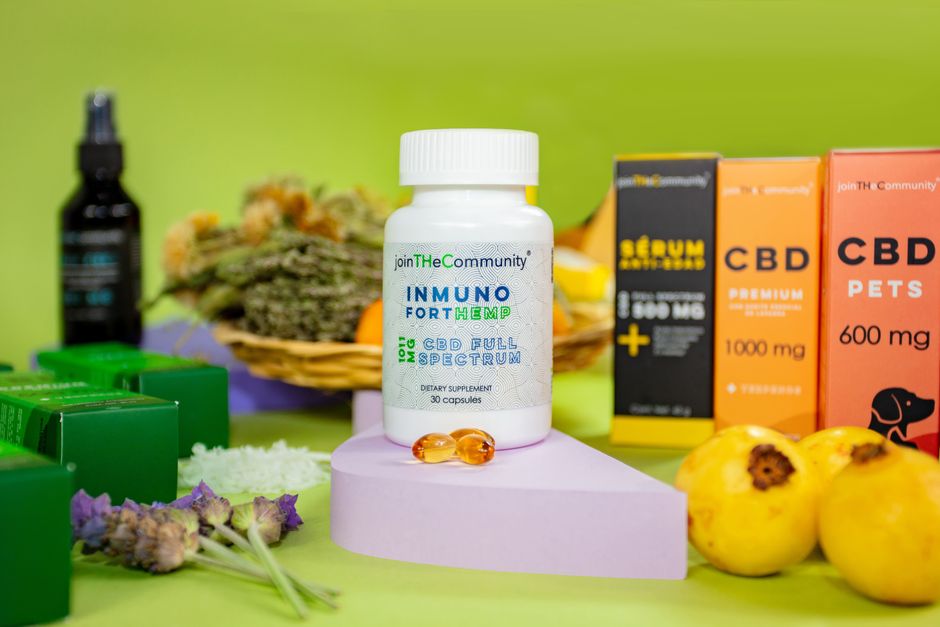
Full spectrum THC oil is a cannabis extract that contains tetrahydrocannabinol (THC) along with dozens of other compounds from the cannabis plant, including cannabinoids like CBD, terpenes, and flavonoids. It works by delivering these compounds together, which is why it is often described as a “whole plant” extract. The THC in the oil binds to receptors in the brain and nervous system, and this interaction is what produces the psychoactive effects and many of the potential therapeutic effects people associate with cannabis.
The term “full spectrum” gets used loosely in marketing. That matters, because it does not mean the same thing across every product on a shelf. Understanding what the label actually describes — and what it does not — is the first step to understanding how the oil works.
What Is Full Spectrum THC Oil And How Does It Work?
Full spectrum THC oil is an extract made from the whole cannabis plant that retains THC along with the plant’s other naturally occurring compounds. The “full spectrum” label means the extract was not stripped down to a single isolated cannabinoid, which is how it differs from THC isolate or broad spectrum products.
To understand how it works, you need to understand what is in it. Cannabis plants produce more than 100 known cannabinoids. THC is the one most associated with psychoactive effects. CBD is another, and it does not produce a high. The plant also contains terpenes, which are aromatic compounds, and flavonoids, which are plant pigments with various biological roles.
When a full spectrum oil is consumed, THC enters the bloodstream and travels to the brain. There it binds to receptors called CB1 receptors, which are part of the endocannabinoid system — a signaling network involved in things like mood, appetite, memory, pain perception, and sleep. This binding is what produces the “high” and also underlies many of the effects people use THC for.
The other compounds in a full spectrum oil do not simply sit there. Some research suggests they can influence how THC is absorbed, metabolized, or experienced. This idea is often called the “entourage effect.” It is a popular concept and biologically plausible, but it is important to be honest: the human evidence for it is limited and mixed. Some studies support it, others do not. It should not be treated as settled science.
How Is Full Spectrum THC Oil Different From CBD Oil?
CBD oil and full spectrum THC oil are not the same product, and the difference is not minor. The main distinction is THC content. Many CBD oils sold in the US are made from hemp and contain no more than 0.3% THC by dry weight, which is the legal threshold under federal law. Full spectrum THC oil, by contrast, is designed to contain meaningful amounts of THC.
That difference changes everything about how the product affects you. CBD does not produce intoxication. THC does. A full spectrum THC oil can produce a high, impairment, and effects on coordination and cognition. A CBD product at the legal hemp threshold generally will not.
There is also a practical legal difference. Hemp-derived CBD products with very low THC are widely available in many states. Full spectrum THC oil with significant THC content is subject to state cannabis laws and is not legally available everywhere. The federal legal status of cannabis remains complex and has changed over time, so the accurate statement is that legality depends on the state and the specific product, not a single national rule.
Some people assume a “full spectrum” CBD product and a “full spectrum THC” product are interchangeable. They are not. The label word “spectrum” describes how much of the plant is retained. It says nothing about THC concentration, which is the factor that determines whether the product gets you high.
What Does the Research Say About Full Spectrum THC Oil?
The strongest evidence for THC-based medicines comes from specific, regulated pharmaceutical products, not from the general category of full spectrum oils. This is an important distinction that often gets blurred.
For example, certain purified THC formulations have been studied and approved for specific uses, such as reducing nausea and vomiting from chemotherapy and stimulating appetite in people with wasting conditions. Some cannabis-based products have also been studied for spasticity related to multiple sclerosis. These are narrow, specific indications supported by clinical trials of specific products.
That does not automatically extend to any full spectrum oil you might buy. A bottle of full spectrum THC oil is not the same as a tested pharmaceutical. The concentration of THC, CBD, and other compounds can vary widely between products and even between batches. Some research has found that the actual cannabinoid content in commercially available products does not always match the label.
For conditions like chronic pain, anxiety, and sleep problems, the evidence is more mixed. Some studies suggest benefit. Others show little difference from placebo. The results vary by condition, product, dose, and how the study was designed. Anyone claiming full spectrum THC oil reliably treats a long list of conditions is going beyond what the evidence supports.





How Is Full Spectrum THC Oil Used?
Full spectrum THC oil is typically taken by placing drops under the tongue, swallowing it, or in some cases inhaling it through a vaporizer. Each method affects how quickly and how strongly the effects come on.
Swallowing the oil sends THC through the digestive system and liver, where it is converted into a more potent metabolite. This route tends to produce effects that come on slowly and last longer. Placing oil under the tongue allows some absorption directly into the bloodstream, which can produce effects faster. Inhaling produces the fastest onset.
The slow onset of swallowed oil is a common source of problems. Because effects can take a while to appear, some people take more before the first dose has fully taken effect. That can lead to an unpleasant, overwhelming experience. This is one of the most common reasons people have a bad reaction to edible or swallowed cannabis products.
No universal dosing standard exists for full spectrum THC oil. Products vary in concentration, and individual responses vary widely based on body chemistry, tolerance, and other factors. This is a genuine gap, not something that can be reduced to a simple number. Anyone who needs guidance on dosing should speak with a clinician familiar with cannabis, especially if they take other medications or have an underlying health condition.
What Are the Risks and Side Effects?
THC is not risk-free, and full spectrum THC oil carries the same risks as other THC products. Common short-term effects include impaired coordination, altered perception, dry mouth, red eyes, increased heart rate, and anxiety or paranoia in some people. These effects are well documented.
THC impairs driving and operating machinery. This is not a minor point. It affects reaction time, attention, and judgment, and the impairment can last longer than the subjective feeling of being high. Combining THC with alcohol or other sedatives increases impairment and risk.
Some people are more vulnerable to negative effects. THC can trigger or worsen anxiety and, in susceptible individuals, psychotic symptoms. People with a personal or family history of psychosis should be especially cautious. Adolescents and young adults are considered more vulnerable to lasting effects on brain development, which is one reason medical guidance generally advises against cannabis use in this group.
Full spectrum oils also carry a risk that isolated products do not: because they contain many plant compounds, there is more room for variability and contamination if the product is not well made. Pesticides, heavy metals, and mold have been found in some unregulated cannabis products. Third-party testing is one way to reduce this risk, though it is not a guarantee.
What Should You Know Before Trying It?
The most useful thing to understand is that “full spectrum THC oil” is a category, not a single product. Two bottles with the same label can differ substantially in THC content, other cannabinoids, and quality. The label alone tells you relatively little.
Legality is another factor. Because THC content determines legal status, the same product may be legal in one state and not another. Checking your state’s rules before purchasing is not optional — it is basic due diligence.
If you take prescription medications, there is a real chance of interaction. THC and CBD can affect how the liver breaks down certain drugs, which can change their levels in your body. This is a conversation to have with a pharmacist or doctor, not something to figure out on your own.
Finally, be skeptical of dramatic claims. Full spectrum THC oil is not a proven treatment for most of the conditions it is marketed for. The evidence is strongest for a narrow set of specific, regulated products and indications. For everything else, the honest position is that the research is still developing and results are mixed.
Frequently Asked Questions
Does full spectrum THC oil get you high?
Yes, if it contains meaningful amounts of THC. The THC binds to CB1 receptors in the brain, which is what produces the psychoactive effect.
Is full spectrum THC oil the same as CBD oil?
No. CBD oil typically contains very little THC, while full spectrum THC oil contains enough THC to produce intoxication and impairment.
How long does full spectrum THC oil take to work?
It depends on how you take it. Swallowed oil can take considerably longer to produce effects than oil held under the tongue or inhaled, and the effects also tend to last longer when swallowed.
Is full spectrum THC oil legal in the US?
It depends on your state and the product’s THC content. Products above the federal hemp THC threshold fall under state cannabis laws, which vary widely.
