
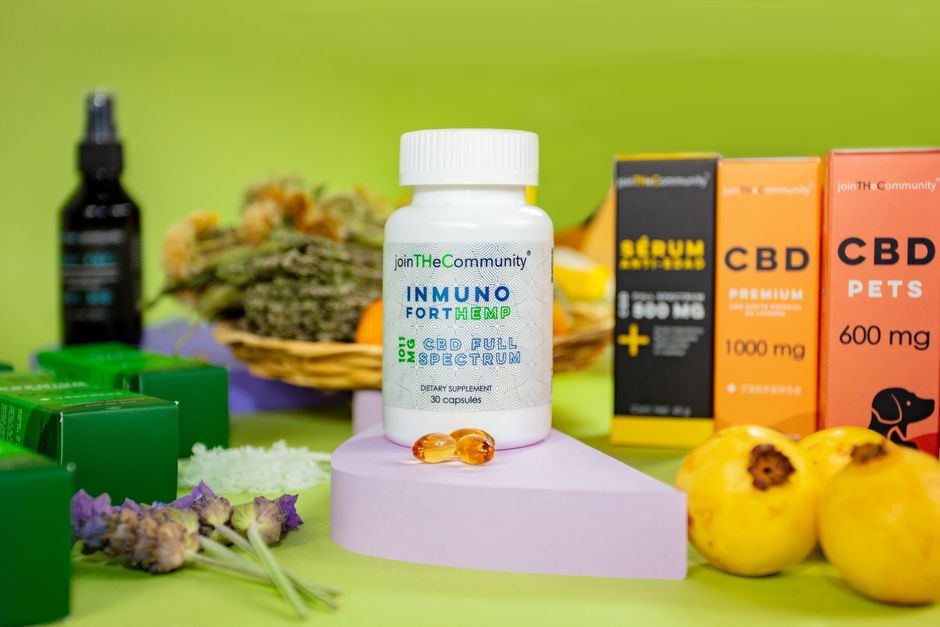
Full spectrum THC refers to cannabis products that contain THC along with the plant’s other natural compounds, including CBD, minor cannabinoids, terpenes, and flavonoids. The idea behind it is that these compounds work together to shape the experience. The term describes what is in the product, not how strong it is or whether it is safe. Those depend on dose, delivery method, individual tolerance, and legal status where you live.
Full spectrum products are widely sold as oils, tinctures, capsules, and vape cartridges. Some are legal under state medical or adult-use programs. Others fall into a gray zone of hemp-derived products. The effects and risks differ depending on which category a product belongs to, and that distinction matters more than most labels admit.
What Is Full Spectrum THC and How Does It Differ From Other Cannabis Extracts?
Full spectrum means the extract keeps the plant’s full chemical profile rather than isolating one compound. A full spectrum product contains THC, CBD, and dozens of minor cannabinoids such as CBG, CBC, and CBN, plus terpenes, the aromatic compounds that give different cannabis varieties their smell and character. It also contains trace flavonoids.
This is different from isolate products, which contain a single purified cannabinoid, usually CBD. It is also different from broad spectrum products, which keep many compounds but have THC removed or reduced to very low levels.
The distinction matters because THC is the compound primarily responsible for the psychoactive “high.” A full spectrum product with meaningful THC will produce intoxication. A CBD isolate will not. A broad spectrum product sits somewhere in between, depending on how much THC remains.
One point that gets lost in marketing: “full spectrum” says nothing about potency. A full spectrum oil can be mild or strong. The label describes the composition, not the dose or the effect.
What Are the Main Effects of Full Spectrum THC?
The effects of full spectrum THC come mostly from THC itself, modulated to some degree by the other compounds present. THC binds to cannabinoid receptors in the brain and nervous system, particularly CB1 receptors. This interaction produces the characteristic effects people associate with cannabis.
Common short-term effects include:
- Euphoria or a sense of relaxation
- Altered perception of time and sensory input
- Increased appetite
- Dry mouth and red eyes
- Impaired short-term memory and attention
- Slowed reaction time
These effects vary widely between people and depend heavily on dose, tolerance, and how the product is consumed. Inhaled THC reaches the brain within minutes. Edible THC is absorbed more slowly and unpredictably, and its effects can last much longer.
CBD and terpenes may influence the overall experience, but the evidence for a strong “entourage effect” in humans is limited. The concept is biologically plausible and widely discussed, but rigorous human trials comparing full spectrum to isolated compounds are scarce. Some studies suggest CBD can soften certain THC effects, such as anxiety, but results vary. It is fair to say the other compounds likely matter somewhat, without claiming they transform the experience.
What Are the Different Types of Full Spectrum THC Products?
Full spectrum products come in several forms, and the delivery method changes both the effects and the risks.
Oils and tinctures are swallowed or held under the tongue. They are absorbed through the digestive system and liver, which converts THC into a more potent metabolite called 11-hydroxy-THC. This is why edible and oral effects feel different and last longer than inhaled effects.
Capsules work like edibles. Onset is slow, often an hour or more, and effects can last several hours. Because absorption varies, the same dose can hit differently on different days.
Vape cartridges and concentrates deliver THC to the lungs. Effects begin within minutes and fade faster. Vaping carries its own respiratory risks, and some vaping products have been linked to serious lung injury, particularly those containing certain additives.
Flower and pre-rolls are smoked or vaporized. Combustion produces harmful byproducts, and smoking carries well-documented respiratory risks independent of cannabis itself.
Topicals are applied to the skin. Most topical products produce little or no intoxication because THC absorption through skin is limited, though this depends on the formulation.




What Are the Risks of Full Spectrum THC?
THC carries real risks, and the presence of other cannabinoids does not make a product harmless. The risks fall into a few categories.
Impaired cognition and coordination. THC impairs memory, attention, and reaction time while it is active. Driving or operating machinery after use is dangerous. This is well established.
Anxiety and paranoia. High doses of THC can trigger acute anxiety, panic, and in some people temporary paranoia. These effects are more common with high-potency products and in people without tolerance.
Dependence. A minority of regular users develop cannabis use disorder, a recognized condition marked by difficulty controlling use despite negative consequences. The risk is higher with frequent, high-dose use and with early age of first use.
Mental health concerns. Heavy cannabis use, particularly high-THC products, has been associated with an increased risk of psychotic symptoms and, in people with a personal or family history of psychosis, a higher risk of psychotic disorders. The relationship is complex and causality is debated, but the association is consistent enough that people with a personal or family history of psychosis should be cautious.
Pregnancy and breastfeeding. Major health organizations advise against cannabis use during pregnancy and breastfeeding. THC crosses the placenta and enters breast milk, and fetal and infant exposure is a genuine concern. No established safe level of THC exposure exists for pregnant or breastfeeding people.
Cardiovascular effects. THC raises heart rate and can affect blood pressure. This matters most for people with existing heart conditions.
Contamination and mislabeling. Product testing and labeling vary by market. In less regulated markets, products may contain contaminants or deliver more or less THC than stated. This is a real and documented problem in unregulated products.
Is Full Spectrum THC Legal and How Is It Regulated?
Legality depends entirely on where you are and what the product contains. In the United States, cannabis remains illegal under federal law, though many states have legalized it for medical or adult use.
The 2018 farm bill legalized hemp, defined as cannabis containing no more than 0.3 percent THC by dry weight, at the federal level. This created a large market for hemp-derived THC products, including some that deliver intoxicating doses through loopholes in how the law is interpreted. These products are not consistently regulated, and quality and labeling can vary widely.
State-licensed cannabis products generally undergo required testing for potency, pesticides, heavy metals, and microbial contamination. Hemp-derived products sold outside state cannabis programs often do not face the same requirements. This is a meaningful difference in risk.
If you are considering any THC product, check the laws in your state and look for products with third-party lab testing you can verify. No regulatory framework makes THC risk-free, but testing and oversight reduce some of the avoidable risks.
How Does Full Spectrum THC Compare to Other Cannabis Products?
| Product Type | Contains THC | Psychoactive | Other Compounds |
|---|---|---|---|
| Full spectrum | Yes, variable | Yes, if THC is present in meaningful amounts | Broad range of cannabinoids, terpenes |
| Broad spectrum | Minimal or none | Unlikely | Broad range, THC reduced |
| Isolate | No (CBD isolate) | No | Single compound only |
The table shows composition, not effect strength. A full spectrum product with low THC may produce little intoxication, while a high-THC product of any type will. The “spectrum” label is not a measure of safety or potency.
What Should You Know Before Trying Full Spectrum THC?
Start with the basics. THC affects people differently based on body weight, tolerance, genetics, and experience. A dose that feels mild to a regular user can be overwhelming to someone new.
If you use an edible or oral product, expect a slow onset and do not take more because you “don’t feel it yet.” Many unpleasant experiences come from redosing too soon. Inhaled products act faster, which makes it easier to gauge effects but harder to control dose precisely.
Talk to a clinician if you take prescription medications. THC can interact with some drugs, including blood thinners and certain psychiatric medications, though the research on specific interactions is incomplete. A pharmacist or doctor familiar with your medications can help you think it through.
Avoid THC if you are pregnant or breastfeeding, have a personal or family history of psychosis, or have certain heart conditions. These are the situations where the risk is clearest.
Buy from licensed, tested sources when you can. Ask for a certificate of analysis, the lab report showing what the product contains. If a seller cannot provide one, that tells you something about the product.
Frequently Asked Questions
Does full spectrum THC get you high?
Yes, if the product contains meaningful amounts of THC. Full spectrum products with low THC may produce little or no intoxication, while higher-THC products will.
Is full spectrum THC stronger than regular THC?
Not necessarily. “Full spectrum” describes the range of compounds, not the dose. Potency depends on how much THC the product contains, not on whether it is full spectrum.
Is full spectrum THC legal in the US?
It depends on the state and the product’s THC content. Cannabis remains illegal federally, but many states have legalized it, and hemp-derived products occupy a separate and unevenly regulated space.
Can you take full spectrum THC with other medications?
Possibly, but THC can interact with some prescription drugs, including blood thinners and certain psychiatric medications. Check with a doctor or pharmacist before combining them.
