
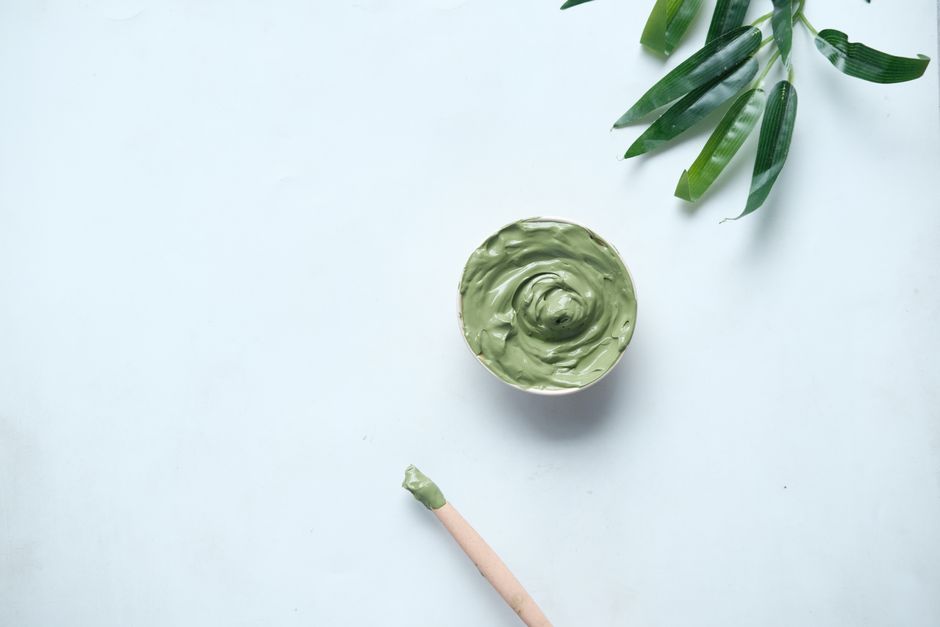
French green clay is a natural clay powder, usually colored by decomposed plant matter and minerals, that has been used for centuries in skincare. It is most commonly known for its ability to draw out oil and impurities from the skin. When mixed with water or another liquid, it forms a paste that tightens and cleanses the skin, making it a popular base for face masks and body treatments.
What Is French Green Clay Skin Benefits And Uses?
French green clay, also called illite clay, gets its green color from iron oxides and decomposed seaweed or plant material. The clay is rich in minerals like magnesium, calcium, potassium, and silica. Those minerals are part of why the clay is used in skincare, though the exact benefits of each mineral when applied to the skin are not fully proven.
The main benefit is absorption. The clay has a negative electrical charge that binds to positively charged toxins, oils, and bacteria on the skin. This action pulls impurities out of the pores when the clay is applied as a mask. It also exfoliates gently as it dries and is rinsed off.
Most people use French green clay for oily or acne-prone skin. It can reduce excess oil and help clear clogged pores. Some people also use it on their scalp or body, but face masks remain the most common use.
How Does French Green Clay Work on the Skin?
The clay works through a simple physical process. As it dries on the skin, it shrinks slightly. That shrinking creates a tightening sensation and pulls oil and debris from the surface of the skin and the openings of pores.
The absorption capacity is what sets green clay apart from other clays. It is more absorbent than white or pink clays but less absorbent than bentonite clay. That makes it a middle-ground option for people with combination skin who want oil control without excessive dryness.
Research on clay masks generally shows they can reduce surface oil and improve the appearance of acne. However, most studies are small and short-term. The evidence for long-term acne improvement from clay masks alone is limited. Green clay is best viewed as a cleansing tool, not a standalone acne treatment.
What Are the Main Skin Benefits?
Studies and clinical observation support several benefits, though the strength of evidence varies.
- Oil control: The clay absorbs sebum from the skin surface. This effect is immediate and lasts for several hours after rinsing.
- Pore cleansing: By drawing out oil and debris, the clay can make pores appear smaller. Pores do not actually open and close, but removing the material that stretches them makes them look tighter.
- Mild exfoliation: The fine particles in the clay help remove dead skin cells when you rinse the mask off. This can leave skin looking brighter.
- Soothing irritated skin: Some research suggests clay can help calm inflammation, though green clay specifically has less evidence for this than other clays.
There is no clinical evidence that green clay can reduce wrinkles, fade scars, or treat skin conditions like eczema or rosacea. If you are using it for those purposes, you are working outside what research supports.
How to Use French Green Clay Safely
Using green clay is simple, but there are important safety steps. Always mix the clay with a liquid before applying it to your skin. Never apply dry powder directly to the skin.
Start with a basic mixture. Combine one tablespoon of clay with one tablespoon of water or hydrosol. Stir until it forms a smooth paste. Apply an even layer to clean, dry skin. Avoid the eye area and lips. Leave it on for 5 to 10 minutes. Do not let the clay dry completely and crack, as this can pull moisture from the skin.
Rinse with warm water using gentle circular motions. This gives you the exfoliating benefit while removing the mask. Follow with a moisturizer. The clay can leave skin feeling tight, so hydration afterward is important.
Use green clay masks once or twice per week. More frequent use can strip the skin of natural oils and cause dryness or irritation. If you have dry or sensitive skin, start with once per week and pay attention to how your skin reacts.
Are There Any Risks or Side Effects?
Green clay is generally safe for most people when used correctly. The main risks come from overuse or improper mixing.
Over-drying is the most common side effect. Leaving the mask on too long or using it too often can remove too much oil and damage the skin barrier. This can lead to redness, flaking, and increased sensitivity.
People with very dry skin or conditions like eczema should be cautious. The clay may worsen dryness and irritation. If you have active acne with open sores, avoid applying clay to broken skin.
There is one important safety rule: do not use metal bowls or metal spoons when mixing the clay. The clay can pull minerals from the metal, which changes its properties. Use glass, ceramic, or wooden tools instead.
If you have never used green clay before, do a patch test. Apply a small amount of the mixed paste to your inner forearm and wait 24 hours. If you see redness, itching, or a rash, do not use it on your face.
What to Look for When Buying French Green Clay
Quality varies between brands, and this matters for safety and effectiveness.
Look for clay that is labeled cosmetic grade or specifically for skincare. This means the clay has been processed to remove large particles and contaminants. Industrial-grade clay may contain impurities that are not safe for skin contact.
Check the color. High-quality French green clay is a consistent olive-green color. Gray or brown tints may indicate lower quality or added fillers. The clay should be a fine powder that feels smooth, not gritty, when rubbed between your fingers.
Read the ingredient list. Pure green clay should have one ingredient: green clay. Avoid products with added fragrances, dyes, or preservatives. These additives can irritate the skin and provide no benefit.
Organic certification is not necessary but can be a sign of careful sourcing. The most important factor is purity and cosmetic-grade processing.
French Green Clay vs. Other Clays
Different clays have different absorption levels and mineral contents. Choosing the right one depends on your skin type.
| Clay Type | Absorption Level | Best For |
|---|---|---|
| French green clay | Moderate to high | Oily and combination skin |
| Bentonite clay | Very high | Very oily or acne-prone skin |
| Kaolin clay (white) | Low | Dry and sensitive skin |
| Pink clay | Low to moderate | Normal to sensitive skin |
| Rhassoul clay | Moderate | Normal skin, gentle cleansing |
If green clay feels too drying, switch to pink or white clay. If it does not control oil enough, bentonite may work better. Many people combine clays or alternate between them based on their skin’s changing needs.
Can French Green Clay Be Used on Hair or Body?
Yes, but the evidence is thinner than for facial use.
For hair, some people mix green clay with water and apply it as a scalp treatment. The clay can absorb excess scalp oil and remove product buildup. There is no strong clinical research on this use, but it is a common practice. Mix the clay with water to a thin consistency and massage into the scalp. Leave it for 5 minutes, then rinse thoroughly. Follow with conditioner, as the clay can be drying.
For the body, green clay can be used on the back, chest, or other areas prone to breakouts. The same mixing and application rules apply. Body skin is thicker than facial skin, so you can leave the mask on slightly longer, but 10 minutes is still a reasonable maximum.
Do not use green clay in the bath. Adding clay to bathwater can make surfaces slippery and may not provide any skin benefit. The clay is diluted too much in a full tub to be effective.
What the Evidence Does and Does Not Support
It is worth being direct about what research shows.
Evidence supports green clay as an effective oil absorber and pore cleanser. These effects are visible and consistent. The clay physically removes oil from the skin surface, and this has been demonstrated in clinical settings.
Evidence does not support claims that green clay can cure acne, remove blackheads permanently, or detoxify the body. The idea that clay “detoxifies” through the skin is not supported by medical research. The skin does not remove toxins from the bloodstream in any meaningful way. The clay only removes material from the skin surface.
Claims that green clay can treat fungal infections, reduce cellulite, or heal wounds have limited or no supporting evidence. Some research has looked at these uses, but results are preliminary and not conclusive. Treat these claims with caution.
Frequently Asked Questions
How often should I use a French green clay mask?
Once or twice per week is the standard recommendation. More frequent use can strip natural oils and cause dryness or irritation.
Can French green clay dry out my skin?
Yes, it can if used too often or left on too long. Keep masks to 5 to 10 minutes and always follow with a moisturizer.
Is French green clay good for acne?
It can help by absorbing excess oil and clearing pores, but it is not a standalone acne treatment. For persistent acne, consult a dermatologist.
Can I mix French green clay with apple cider vinegar?
Yes, some people do this, but it can be irritating. Apple cider vinegar is acidic and may cause stinging or redness, especially on sensitive skin. Water is the safer choice.
