
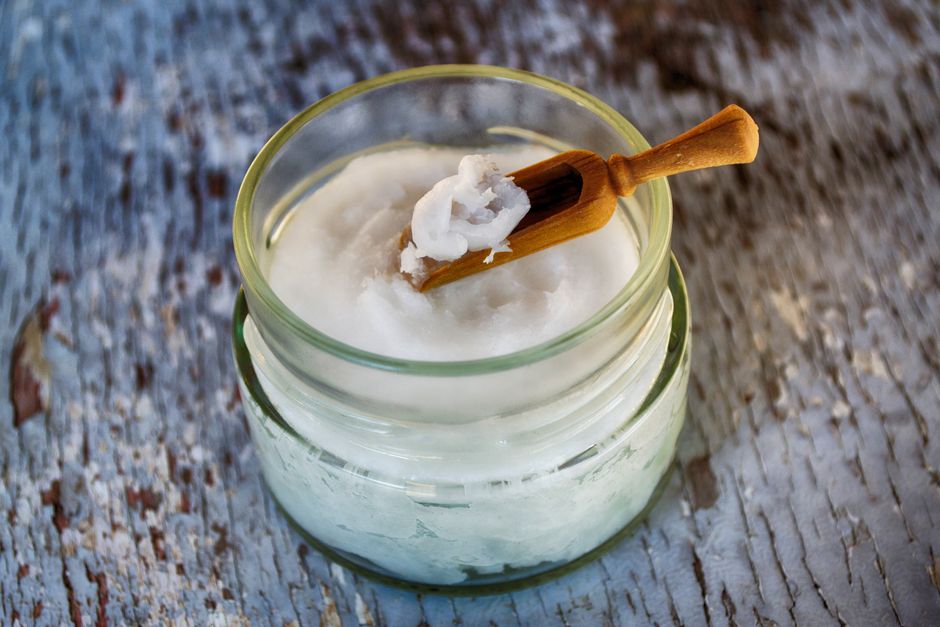
Fractionated coconut oil is coconut oil that has been processed to remove most of its long-chain fatty acids, leaving behind only the medium-chain triglycerides (MCTs) that stay liquid at room temperature. Unlike regular coconut oil, which is solid below about 76°F, fractionated coconut oil remains a clear liquid even when refrigerated. This makes it a popular choice for cosmetics, massage oils, and certain dietary supplements, but it is not the same as the coconut oil you cook with.
How Is Fractionated Coconut Oil Made?
The process starts with regular coconut oil, which is pressed from the meat of mature coconuts. Regular coconut oil contains a mix of fatty acids with different chain lengths. The fractionation process uses heat and sometimes chemical solvents to separate these fatty acids by their melting points.
The long-chain fatty acids, which are solid at room temperature, are removed. What remains is a concentrated mix of medium-chain triglycerides, primarily caprylic acid (C8) and capric acid (C10). This remaining oil stays liquid because these MCTs have a much lower melting point than the long-chain fats that were removed.
This is a physical refining process in most commercial settings. The result is an odorless, colorless oil that does not go rancid as quickly as regular coconut oil. It also does not solidify, which is why it is favored in products that need a stable liquid oil.
What Is the Difference Between Fractionated Coconut Oil and Regular Coconut Oil?
Regular coconut oil is about 50% lauric acid, a medium-chain fatty acid with 12 carbon atoms. Fractionated coconut oil removes most of the lauric acid along with the long-chain fats. What remains is mostly C8 and C10, which are shorter and behave differently in the body.
This difference matters for cooking. Regular coconut oil has a smoke point around 350°F and is stable for frying and baking. Fractionated coconut oil has a lower smoke point and is not recommended for high-heat cooking. It is also more expensive per ounce than regular coconut oil.
For skin and hair, the two oils feel different. Regular coconut oil is heavier and can clog pores for some people. Fractionated coconut oil is lighter, absorbs faster, and leaves less residue. This is why it is the base for many massage oils and cosmetic products.
What Are the Health Benefits of Fractionated Coconut Oil?
The health claims around fractionated coconut oil focus on its MCT content. Medium-chain triglycerides are absorbed differently than long-chain fats. They go directly to the liver and are quickly used for energy rather than stored as fat. This is well established in the scientific literature.
Some research suggests MCTs may help with weight management by increasing feelings of fullness and slightly boosting calorie burning. However, the effects are modest, and studies show mixed results over the long term. No clinical evidence confirms that fractionated coconut oil alone causes meaningful weight loss.
MCTs are also studied for cognitive function, particularly in people with certain neurological conditions. The brain can use ketones, which are produced when the body breaks down MCTs, as an alternative fuel source. This has led to interest in MCT oil for conditions like Alzheimer’s disease. The evidence is preliminary, and no major clinical guidelines currently recommend MCT oil for cognitive health in the general population.
One important note: most studies on MCTs use pure MCT oil, not fractionated coconut oil sold for cosmetic use. The fractionated coconut oil in your massage bottle is not the same as the MCT oil in a dietary supplement. Check the label carefully if you intend to consume it.





Is Fractionated Coconut Oil Good for Your Skin and Hair?
Fractionated coconut oil is widely used in skincare products, and there is reasonable evidence for its benefits as a moisturizer. It acts as an emollient, meaning it fills in the gaps between skin cells and helps the skin hold moisture. It also has a light texture that does not feel greasy.
For hair, fractionated coconut oil can coat the hair shaft and reduce protein loss, similar to regular coconut oil. Some studies indicate that coconut oil penetrates the hair shaft better than mineral oil. However, fractionated coconut oil has less lauric acid than regular coconut oil, and lauric acid is the component most associated with hair penetration. Regular coconut oil may be the better choice for deep hair conditioning.
People with acne-prone skin should be cautious. While fractionated coconut oil is less comedogenic than regular coconut oil, it can still clog pores in some individuals. The scientific evidence on which oils clog pores is limited, and individual responses vary. If you are prone to breakouts, test it on a small area first.
Can You Cook With Fractionated Coconut Oil?
Technically yes, but it is not ideal. Fractionated coconut oil has a low smoke point compared to regular coconut oil, typically around 320°F or lower. Heating it past this point can produce harmful compounds.
It also lacks the flavor of regular coconut oil. The flavor compounds are largely removed during fractionation. For salad dressings or no-heat recipes, it can work, but it offers no advantage over regular coconut oil or other liquid oils in the kitchen.
If you want the potential health benefits of MCTs, MCT oil supplements are a more direct option. These are specifically formulated for consumption and are often made from fractionated coconut oil. They are not the same as the cosmetic-grade fractionated coconut oil sold in beauty stores, which may contain additives or not be food-grade.
Are There Any Risks or Side Effects?
Fractionated coconut oil is generally recognized as safe for topical use. Allergic reactions are rare but possible. If you have a coconut allergy, you should avoid it entirely.
Consuming MCT oil can cause digestive issues, especially when starting. Nausea, diarrhea, and stomach cramps are common side effects when people consume too much too quickly. This is because MCTs are absorbed rapidly, and the digestive system needs time to adapt.
There is no established daily dose for MCT oil. Clinical studies typically start with small amounts, around one teaspoon, and gradually increase. But these are study protocols, not official recommendations. No clinical guidelines currently exist for MCT oil dosing in the general population.
People with liver disease or certain metabolic conditions should consult a doctor before using MCT products. The liver processes MCTs, and impaired liver function could affect how the body handles them.
How to Choose a Quality Fractionated Coconut Oil
Read the label before buying. Look for products labeled as 100% pure fractionated coconut oil with no added ingredients. Some products contain synthetic fragrances or preservatives that can irritate the skin.
Check whether the product is food-grade if you plan to consume it. Cosmetic-grade oils are not held to the same safety standards as food products. If the label does not say food-grade, do not eat it.
Consider the source. Organic fractionated coconut oil comes from coconuts grown without synthetic pesticides. This matters less for topical use but can be relevant if you are consuming the oil. The evidence on whether organic oils are meaningfully safer or more nutritious is limited, but some consumers prefer them for environmental reasons.
Store fractionated coconut oil away from heat and direct sunlight. It is more stable than regular coconut oil, but it can still degrade over time. Most products have a shelf life of two to three years when stored properly.
Frequently Asked Questions
Is fractionated coconut oil the same as MCT oil?
Not exactly. MCT oil is made from fractionated coconut oil, but it is processed further to concentrate specific medium-chain triglycerides, usually C8 and C10. Fractionated coconut oil for cosmetic use may contain a broader mix of fatty acids.
Can I use fractionated coconut oil for oil pulling?
Yes, but regular coconut oil is the traditional choice for oil pulling. Fractionated coconut oil works the same way mechanically, but there is no strong evidence that either oil provides specific dental benefits beyond general oral hygiene.
Does fractionated coconut oil go bad?
It has a longer shelf life than regular coconut oil, typically two to three years, but it can eventually oxidize. If it develops an off smell or changes color, discard it.
Can I put fractionated coconut oil on my face every day?
It is generally safe for daily use, but it can clog pores for some people. If you have acne-prone skin, start with a small patch test and watch for breakouts over a week before applying it to your whole face.
