

Fortified food is food that has had vitamins or minerals added to it after processing, usually to replace nutrients lost along the way or to prevent a known deficiency in the population. Common examples include iodized salt, folic acid added to enriched grains, vitamin D added to milk, and calcium added to orange juice. The benefits are real and well documented for certain nutrients, but fortification also carries risks worth understanding, especially from foods that are heavily fortified and eaten often.
What Is Fortified Food and How Is It Different From Enriched Food?
Fortified and enriched are not the same thing, even though people use the words interchangeably.
Fortification means adding a nutrient that was not naturally present in the food, or adding it in amounts greater than what was there originally. Iodized salt is a classic example. Salt does not naturally contain iodine, but iodine was added to it to prevent goiter and other thyroid problems.
Enrichment means adding back nutrients that were lost during processing. When wheat is milled into white flour, the bran and germ are removed, and with them go much of the B vitamins, iron, and fiber. Enrichment adds some of those B vitamins and iron back. It does not restore the fiber.
The distinction matters because enriched foods are not necessarily whole foods. A slice of enriched white bread has vitamins added back, but it still lacks the fiber and other compounds found in whole wheat. The label can sound more nutritious than the food actually is.
Why Does Fortification Exist?
Fortification started as a public health tool, not a marketing one.
In the early 20th century, deficiency diseases were common in the United States. Pellagra, caused by a lack of niacin, was widespread in the South. Rickets, caused by vitamin D deficiency, affected many children. Goiter from iodine deficiency was common in inland regions where soil iodine was low.
Adding specific nutrients to widely eaten foods reduced these diseases dramatically. This is one of the clearest success stories in public health. When a nutrient is added to a staple food that almost everyone eats, an entire population can be protected without anyone changing their diet.
That logic still drives fortification policy today. The goal is population-level prevention, not individual treatment.
What Are the Main Benefits of Fortified Food?
The benefits are strongest when fortification addresses a nutrient that is genuinely lacking in the population and the fortified food is eaten widely.
- Preventing neural tube defects. Folic acid fortification of enriched grains has been linked to a significant drop in neural tube defects like spina bifida in countries that mandate it.
- Reducing iodine deficiency. Iodized salt has largely eliminated goiter and related thyroid problems in countries that use it.
- Preventing rickets. Vitamin D fortification of milk has helped reduce a disease that once deformed children’s bones.
- Filling gaps for specific groups. People who avoid dairy, eat limited diets, or have higher needs may get meaningful amounts of calcium, vitamin D, or B12 from fortified foods.
These are not marketing claims. They are documented outcomes from decades of public health data.




What Are the Risks of Fortified Food?
Fortification is not automatically harmless. The risks are real, though they tend to be smaller than the benefits at the population level.
Too much of certain nutrients. Some vitamins and minerals are harmful in excess. Vitamin A, iron, and zinc can cause problems when intake is too high over time. Because fortified foods are everywhere, it is possible to get more than expected without realizing it.
Nutrient interactions. High intakes of one mineral can interfere with absorption of another. Too much zinc, for example, can reduce copper absorption. This is a real concern with supplements and heavily fortified products combined.
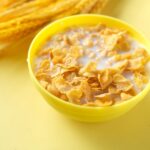
A false sense of nutrition. A sugary cereal with added vitamins is still a sugary cereal. Fortification can make a processed food look healthier than it is. The added nutrients do not cancel out the sugar, refined starch, or lack of fiber.
Uneven benefit. People who already eat a varied diet may get little extra from fortified foods. The people who benefit most are often those with limited diets, which is the opposite of how fortification is sometimes marketed.
Which Foods Are Commonly Fortified?
Fortification is more common than most people realize. It shows up in foods you may not think of as fortified.
- Salt (iodine)
- Wheat flour and enriched grains (folic acid, iron, B vitamins)
- Milk and some plant milks (vitamin D, vitamin A)
- Breakfast cereals (a wide range of vitamins and minerals)
- Orange juice (calcium, vitamin D)
- Some rice (iron, B vitamins)
- Margarine (vitamins A and D)
- Some bottled water and energy drinks (vitamins and minerals)
Reading labels is the only reliable way to know what has been added. The Nutrition Facts panel lists added nutrients, and the ingredient list often shows the specific forms used.
Are Fortified Foods the Same as Supplements?
No. Fortified foods and supplements deliver nutrients differently, and the body does not always handle them the same way.
Nutrients in food come packaged with other compounds that affect how they are absorbed. Calcium in milk, for example, is absorbed alongside other components of the food matrix. The same amount of calcium in a pill may behave differently.
For most people, food sources are the preferred route. Supplements are useful when a specific deficiency exists or when diet cannot meet a need. They are not a substitute for eating well, and more is not better.
Who Should Pay Attention to Fortified Food Intake?
Some groups have more reason to track fortified food intake than others.
People taking multivitamins or individual supplements on top of a diet rich in fortified foods may be getting more of certain nutrients than they realize. This is worth discussing with a clinician, especially for vitamin A, iron, and zinc.
People with certain medical conditions that affect nutrient absorption or metabolism may need guidance on fortified foods. The same is true for anyone on medications that interact with specific vitamins or minerals.
For most healthy adults eating a varied diet, fortified foods are a minor consideration. The bigger picture is still overall diet quality.
Does Fortification Make a Food Healthy?
No. Fortification adds specific nutrients. It does not change what the food fundamentally is.
A fortified cookie is still a cookie. A fortified soda is still a soda. The added vitamins do not offset the sugar, sodium, or lack of fiber. This is one of the most common misunderstandings about fortified foods.
The most useful question is not whether a food is fortified. It is what the food is made of and how it fits into your overall diet. Fortification is a detail, not a verdict.
How Can You Tell If a Food Is Fortified?
Check the label. Fortified foods list added nutrients in the ingredients and show them in the Nutrition Facts panel.
Words like “enriched,” “fortified,” and specific nutrient names are the clues. If a food claims to have added vitamins or minerals, it is fortified or enriched by definition.
There is no single rule for whether a fortified food is a good choice. It depends on the food, the nutrients added, and what else you eat. Reading labels and thinking about your overall diet is more useful than chasing any single claim on the front of a package.
Frequently Asked Questions
What is fortified food in simple terms?
Fortified food is food that has had vitamins or minerals added to it that were not there naturally or were present in smaller amounts. Iodized salt and vitamin D milk are common examples.
Is fortified food bad for you?
Not inherently. Fortification has prevented serious deficiency diseases, but heavily fortified processed foods can add up to excess intake of certain nutrients and can make unhealthy foods look healthier than they are.
What is the difference between fortified and enriched food?
Fortified means adding a nutrient that was not originally present, while enriched means adding back nutrients lost during processing. Enriched white flour, for example, has B vitamins and iron restored but not the fiber that was removed.
Should I avoid fortified foods?
Most healthy adults do not need to avoid them. The more useful focus is overall diet quality, since fortification does not make a processed food nutritious on its own.
