
Forensic pathology is the medical specialty that determines the cause and manner of death when someone dies unexpectedly, violently, or suspiciously. It bridges the gap between medicine and the legal system, turning a death investigation into evidence that can be used in court. Forensic pathologists perform autopsies, analyze tissues and fluids, and then translate their medical findings into testimony that helps judges and juries understand what happened.
What Does a Forensic Pathologist Actually Do?
A forensic pathologist is a medical doctor with specialized training. After medical school, they complete a residency in anatomic pathology and then a fellowship in forensic pathology. This is not a coroner system in most states — coroners are often elected officials who may not be doctors. Medical examiners, who are board-certified forensic pathologists, handle the science.
The core job is performing autopsies. The CDC reports that about 500,000 autopsies are done in the United States each year, though the exact number varies. During an autopsy, the pathologist examines the body externally and internally, looking for injuries, diseases, and anomalies. They collect samples of organs, blood, urine, and other fluids for further testing.
Toxicology testing is a major part of the work. A forensic pathologist orders screens for drugs, alcohol, poisons, and other chemicals. Without this step, many deaths would be misclassified. For example, a death that looks like a heart attack could actually be a drug overdose if the toxicology report shows high levels of fentanyl.
The pathologist then documents everything. This includes written reports, photographs, and diagrams. These records become part of the official death investigation and can be subpoenaed for court proceedings.
How Does an Autopsy Work Step by Step?
An autopsy starts with an external examination. The pathologist notes the person’s clothing, any visible injuries, scars, tattoos, and signs of medical treatment. They weigh and measure the body. They look for things like needle marks, which might suggest drug use, or unusual skin discoloration, which could point to poisoning.
Next is the internal examination. The pathologist makes a Y-shaped incision from the shoulders to the pubic bone. They remove the chest plate to access the heart and lungs. They remove the brain through a separate incision at the back of the skull. Each organ is examined, weighed, and sliced to look for disease or injury.
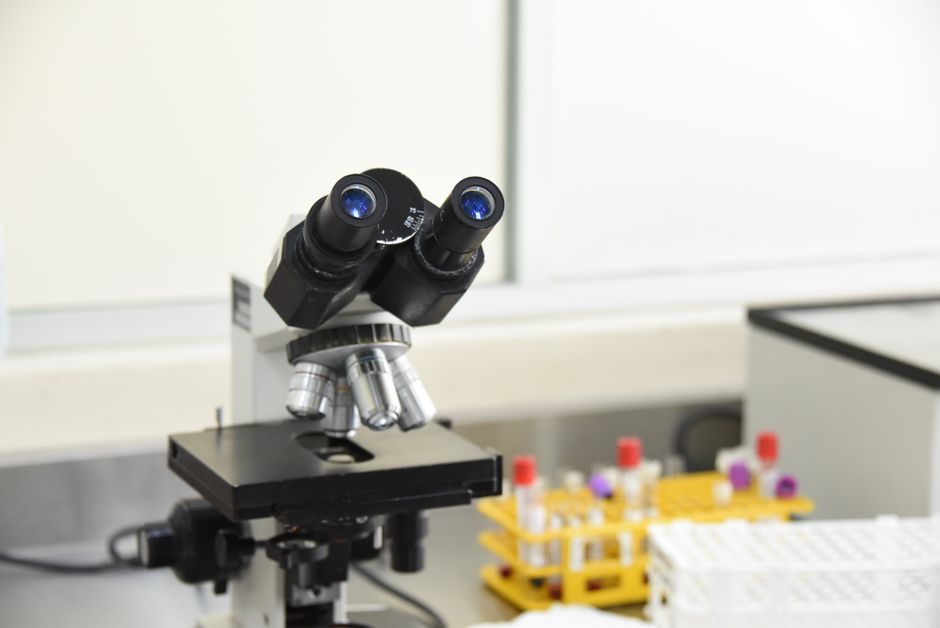
Tissue samples are taken for microscopy. The pathologist looks at these under a microscope to identify cellular changes. For instance, heart muscle cells that show contraction band necrosis suggest a heart attack. Lung tissue with fluid in the air sacs indicates drowning or pulmonary edema.
The final step is the toxicology and lab work. Blood, urine, and stomach contents go to a lab. Results can take weeks. The pathologist cannot issue a final cause of death until all tests come back. This is why death certificates are sometimes delayed.
Research published in the Journal of Forensic Sciences found that toxicology results change the cause of death in about 10 to 15 percent of cases. Without waiting for these results, the official record would be wrong.
What Is Forensic Pathology From Autopsies To Court: The Legal Side
Once the autopsy and lab work are complete, the forensic pathologist writes a report. This report states the cause of death — the specific injury or disease that killed the person. It also states the manner of death, which falls into five categories: natural, accident, suicide, homicide, or undetermined.
The manner of death is a legal determination, not a medical one. The pathologist uses medical evidence to make this call, but it has huge legal consequences. A death ruled a homicide triggers a police investigation. A death ruled a suicide may affect insurance payouts. A death ruled undetermined can leave families without closure for years.
Forensic pathologists also testify in court. They explain their findings to a judge and jury. This testimony must be clear and objective. The National Association of Medical Examiners states that a forensic pathologist’s role is to present medical facts, not to advocate for either side. They are expert witnesses, not prosecution or defense witnesses.
Court testimony requires translating complex medical terms into plain language. A pathologist might say, “The bullet entered the chest, tore the aorta, and caused massive internal bleeding,” rather than “The projectile caused a transection of the thoracic aorta resulting in exsanguination.” Juries need to understand what happened without medical jargon.
Cross-examination can be intense. Lawyers try to poke holes in the pathologist’s conclusions. A good forensic pathologist must defend their findings based on evidence, not opinion. This is why documentation and chain of custody are so important — every step must be traceable.





What Evidence Supports the Accuracy of Forensic Pathology?
Forensic pathology is grounded in the same scientific principles as clinical medicine. Autopsy findings can be verified by independent review. Studies have shown that second autopsies often agree with the first, especially when the cause of death is obvious, like a gunshot wound to the head or a severed aorta.
However, accuracy is not perfect. Research published in JAMA Internal Medicine found that major discrepancies between clinical diagnosis and autopsy findings occur in about 10 to 20 percent of cases. This does not mean forensic pathologists are wrong that often. It means that some causes of death are genuinely hard to determine, even with a full autopsy.
For example, sudden cardiac death in a person with no prior heart disease can be difficult. The pathologist may find only mild coronary artery narrowing, but the person died from a heart rhythm problem that leaves no visible trace. In these cases, the cause of death is often listed as “cardiac arrhythmia due to atherosclerotic coronary artery disease” even though the exact mechanism is unclear.
The field has improved with better technology. CT scans and MRI scans are now used in some medical examiner offices before autopsy. A study in Forensic Science International found that postmortem CT scanning identified fractures and foreign objects with high accuracy, though it could not replace traditional autopsy for soft tissue evaluation.
DNA analysis has also strengthened forensic pathology. Tissue samples can now be tested for genetic mutations that cause sudden death. This is especially useful in cases of sudden infant death syndrome or unexplained cardiac deaths in young athletes.
Common Misconceptions About Forensic Pathology
Many people think autopsies are always done when someone dies unexpectedly. This is not true. Autopsy rates in the United States have dropped dramatically. According to the CDC, only about 5 to 8 percent of all deaths result in an autopsy. Hospitals used to do many autopsies for teaching purposes, but that practice has declined. Most autopsies today are done by medical examiner offices for suspicious or unexplained deaths.
Another myth is that forensic pathologists can always determine the exact time of death. This is not accurate. They can estimate the time of death based on body temperature, rigor mortis, and livor mortis, but these are rough estimates. Research shows that time of death estimates can be off by several hours, especially if the body has been moved or the environment has changed.
Some people believe that forensic pathologists work only with murder victims. This is false. They handle all types of deaths: car accidents, drug overdoses, workplace injuries, sudden infant deaths, and deaths in custody. Homicides make up a minority of their caseload. The majority are accidents and natural causes.
There is also a misconception that forensic pathologists are crime scene investigators. They are not. Crime scene investigators collect evidence at the scene. Forensic pathologists examine the body after it arrives at the morgue. The two roles are distinct but complementary.
What to Look for in a Forensic Pathology Report
If you ever need to read a forensic pathology report, focus on three sections. The first is the cause of death statement. This tells you the specific medical reason the person died. Look for words like “blunt force trauma,” “gunshot wound to the head,” “acute fentanyl intoxication,” or “atherosclerotic cardiovascular disease.”
The second section is the manner of death. This is a single word: natural, accident, suicide, homicide, or undetermined. If it says undetermined, it means the pathologist could not decide based on the evidence. This can happen when there is no clear injury or disease and no witness account.
The third section is the summary of findings. This is a narrative that explains what the pathologist found during the autopsy. It should describe all major injuries and diseases. If the report is vague or missing key details, that is a red flag.
You should also check the toxicology results. These are often listed in a separate section or appendix. Look for drugs and their levels. Some drugs, like fentanyl, can cause death at very low levels. Others, like caffeine, are rarely fatal. The pathologist should explain the significance of each finding.
If the report contradicts itself or uses terms that do not match the evidence, it may be worth getting a second opinion. Some families hire a private forensic pathologist for an independent review. This is legal and can be done even years after the death.
| Component | What It Tells You | Common Issues |
|---|---|---|
| Cause of Death | The specific injury or disease | Vague terms like “cardiopulmonary arrest” |
| Manner of Death | Legal category (natural, accident, etc.) | Undetermined when evidence is unclear |
| Toxicology | Drugs, alcohol, poisons in the body | Missed substances if testing was limited |
| Summary of Findings | Narrative of autopsy results | Missing details or contradictory statements |
Limitations and Challenges in Forensic Pathology
Forensic pathology has real limits. One major challenge is decomposition. When a body has been dead for days or weeks, tissues break down. Organs become soft and discolored. Injuries can be hard to see. Decomposition gases can create artifacts that look like injuries. A pathologist must distinguish genuine trauma from postmortem changes, which takes experience and caution.
Another challenge is the lack of clinical history. Living patients can tell doctors what they feel. Dead people cannot. The pathologist must piece together the person’s medical history from records, family interviews, and scene investigation. If no medical records exist, the autopsy may miss underlying conditions like epilepsy or heart disease.
Resource limitations also affect accuracy. Many medical examiner offices are underfunded and understaffed. The National Commission on Forensic Science reported in 2016 that many offices do not have enough pathologists to handle their caseload. This can lead to rushed autopsies or delayed reports. Some offices have backlogs of months.
Finally, forensic pathology cannot always answer every question. Some deaths remain unexplained even after a thorough autopsy. The heart stops, the lungs stop, but no cause is found. This is frustrating for families, but it is an honest limitation of the field. A good pathologist will say “I do not know” rather than invent a cause.
Frequently Asked Questions
What is the difference between a coroner and a forensic pathologist?
A coroner is an elected official who may not be a doctor. A forensic pathologist is a medical doctor with specialized training in determining cause of death.
How long does it take to get autopsy results?
Preliminary results may be available within a day or two, but final results including toxicology can take four to eight weeks.
Can families refuse an autopsy?
Yes, families can refuse a hospital autopsy, but medical examiner offices can legally order an autopsy for suspicious or unexplained deaths without family consent.
Is forensic pathology always accurate?
No, accuracy depends on the quality of the autopsy, available medical history, and toxicology results. Second autopsies sometimes find different causes of death.
