
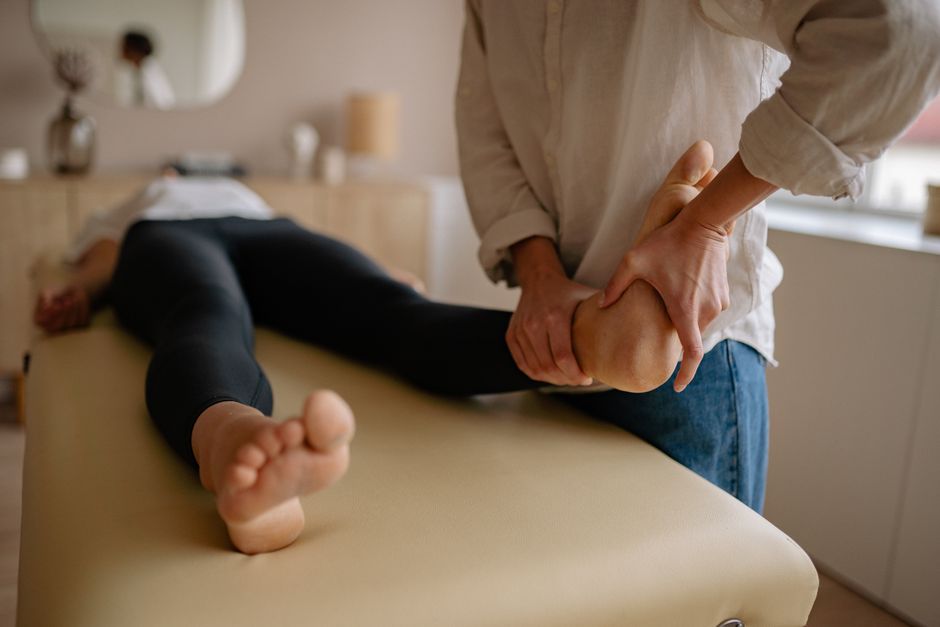
Foot reflexology is a practice where pressure is applied to specific points on the feet, hands, or ears. The theory is that these points map to other parts of the body, and stimulating them can affect those areas. Practitioners use this technique to promote relaxation, improve circulation, and support overall health, though the evidence for its medical benefits is mixed.
How Does Foot Reflexology Work?
Reflexology is based on the idea that the body is divided into zones, and that each organ and body part corresponds to a specific reflex point on the foot. The right foot is thought to mirror the right side of the body, and the left foot mirrors the left side.
For example, the tips of the toes are linked to the head and brain. The ball of the foot is associated with the chest and heart. The arch of the foot connects to the liver, kidneys, and pancreas. The heel is linked to the lower back and intestines.
This mapping system is not based on anatomy as Western medicine understands it. There is no scientific evidence that these specific points connect directly to organs. What is clear is that pressing on the feet can stimulate nerves and cause physical responses in the body.
Some researchers believe that reflexology works through the nervous system. Pressure on the feet may trigger the release of endorphins, which are natural pain-relieving chemicals. It may also activate the parasympathetic nervous system, which helps the body rest and digest. This could explain why many people feel deeply relaxed after a session.
What Are the Reported Benefits of Reflexology?
People seek reflexology for many reasons. The most common are stress relief, pain management, and relaxation. Some use it to complement treatment for conditions like anxiety, insomnia, and digestive issues.
Research on reflexology is limited, but some studies show promising results. A review of clinical trials found that reflexology may help reduce pain and anxiety in people with certain health conditions. Another study suggested that it could improve sleep quality in older adults.
One area where reflexology has been studied more closely is cancer care. Some research published in oncology journals indicates that reflexology may help reduce pain and fatigue in people undergoing cancer treatment. However, these studies are often small, and results vary.
It is important to be clear: reflexology is not a cure for any disease. No credible study has shown that it can treat infections, cure cancer, or reverse chronic conditions. Its primary value appears to be in supporting relaxation and providing a sense of well-being.
What Happens During a Reflexology Session?
A typical session lasts between 30 and 60 minutes. You remain fully clothed, usually lying down or sitting in a reclined chair. The practitioner will examine your feet and then use their hands to apply pressure to specific points.
Techniques include thumb walking, where the practitioner moves the thumb in a caterpillar-like motion across the foot. They may also use finger pressure, kneading, and rotation of the foot and ankle. The pressure should be firm but not painful.
Some people feel a tingling sensation or a sense of warmth during the session. Others feel nothing at all. After the session, it is common to feel relaxed or even sleepy. Drinking water afterward is often recommended to help flush out any metabolic waste that may have been released, though this claim lacks strong scientific support.




Is Reflexology Safe?
For most healthy adults, reflexology is safe when performed by a trained practitioner. It is a non-invasive therapy with few side effects. Some people may experience temporary soreness or tenderness in the feet afterward.
However, reflexology is not appropriate for everyone. People with foot injuries, gout, or open sores on their feet should avoid it. Those with blood clotting disorders or deep vein thrombosis should not receive reflexology without a doctor’s approval.
Pregnant women should consult their healthcare provider before trying reflexology. Some reflexology points are believed to stimulate the uterus, though there is no strong evidence that this causes harm. Still, caution is warranted, and many practitioners avoid working on certain points during pregnancy.
If you have diabetes, peripheral neuropathy, or poor circulation in your feet, talk to your doctor first. Reduced sensation in the feet could mean you do not feel if the pressure is too intense, which could lead to injury.
What Does the Science Say About Reflexology?
The scientific evidence for reflexology is mixed. Some studies report positive effects on pain, anxiety, and quality of life. Others find no significant difference between reflexology and a placebo or sham treatment.
One challenge in studying reflexology is that it is difficult to create a proper placebo. In a drug trial, a placebo pill looks identical to the real drug. But with reflexology, the participant knows they are receiving foot pressure. This makes it hard to separate the physical effects of the technique from the relaxation response that comes from simply being cared for.
Some research suggests that any benefit from reflexology may come from the therapeutic touch itself, not from the specific points being pressed. A 2014 systematic review of randomized controlled trials found that reflexology may have short-term benefits for pain and anxiety, but the authors noted that the quality of the evidence was low to moderate.
No major medical organization currently recommends reflexology as a treatment for any specific medical condition. It is generally classified as a complementary therapy, meaning it is used alongside conventional medicine, not instead of it.
Reflexology vs. Foot Massage: What Is the Difference?
People often confuse reflexology with a regular foot massage, but they are different practices. A foot massage focuses on the muscles and soft tissues of the foot. The goal is to relieve tension and promote relaxation in the foot itself.
Reflexology is more targeted. The practitioner works on specific reflex points with the intention of affecting corresponding body parts. The pressure is often more precise and may be applied with the thumb or fingers in a specific pattern.
That said, a skilled reflexologist is also providing a form of foot massage. The relaxation benefits overlap. If your goal is simply to relax and soothe tired feet, either option can work. If you are interested in the theory of reflex points and body mapping, reflexology is the more specific practice.
How to Choose a Reflexologist
If you decide to try reflexology, choose a practitioner with proper training. In the United States, reflexology certification is offered by several organizations, though licensing requirements vary by state. Some states require a license, while others do not regulate the practice at all.
Ask about the practitioner’s training and experience. A qualified reflexologist should have completed a recognized training program and be able to explain their approach clearly. They should also ask about your health history before beginning a session.
Be wary of practitioners who make bold claims. If a reflexologist says they can cure cancer, diabetes, or any other disease through foot massage alone, that is a red flag. A responsible practitioner will present reflexology as a complementary therapy and encourage you to continue any medical treatment you are receiving.
Can You Do Reflexology on Yourself?
Yes, basic self-reflexology is possible. You can apply pressure to your own feet using your thumbs and fingers. Some people find this helpful for relaxation and stress relief.
There are charts available that show the reflex points on the feet. You can use these to locate the areas associated with different body parts. However, self-treatment has limits. You cannot reach the same angles or apply the same sustained pressure that a practitioner can.
Self-reflexology is not a substitute for professional care, and it should never delay you from seeing a doctor for a medical concern. It is best used as a relaxation tool, not a medical treatment.
Conditions Where Reflexology Is Commonly Used
Reflexology is most often used for symptom management rather than disease treatment. The conditions where people most frequently seek reflexology include:
- Chronic lower back pain
- Migraines and tension headaches
- Anxiety and stress-related disorders
- Sleep disturbances and insomnia
- Digestive issues like irritable bowel syndrome
- Premenstrual syndrome and menstrual cramps
- Cancer-related pain and fatigue
For some of these conditions, such as lower back pain and anxiety, the evidence is more supportive. For others, the research is too limited to draw firm conclusions. If you have a chronic condition, reflexology may be worth trying as part of a broader care plan, but it should not replace treatments that have stronger evidence behind them.
The Bottom Line on Reflexology
Reflexology is a gentle, non-invasive practice that many people find relaxing and enjoyable. The theory behind it — that specific foot points directly correspond to organs — is not supported by anatomy or physiology. But the practice may still offer real benefits through relaxation, stress reduction, and the therapeutic value of touch.
The evidence is strongest for short-term relief of pain and anxiety. For serious medical conditions, reflexology should be viewed as a complement to — not a replacement for — conventional medical care. If you are healthy and simply want to relax, reflexology is a reasonable option. If you have a medical condition, talk to your doctor first.
Frequently Asked Questions
Does foot reflexology actually work?
Some studies show that reflexology can help reduce pain and anxiety in the short term. The evidence is mixed, and any benefits may come from general relaxation and touch rather than the specific pressure points.
Can reflexology help with weight loss?
No clinical evidence confirms that reflexology causes weight loss. Any effect would likely be indirect, such as reducing stress that contributes to emotional eating.
How often should you get reflexology?
There is no standard clinical guideline for frequency. Many practitioners recommend weekly sessions for ongoing issues and monthly sessions for maintenance, but this is based on practice experience rather than research.
Is reflexology safe during pregnancy?
Most practitioners consider it safe, but you should consult your healthcare provider first. Some reflex points are believed to stimulate uterine activity, though no strong evidence confirms this risk.
