
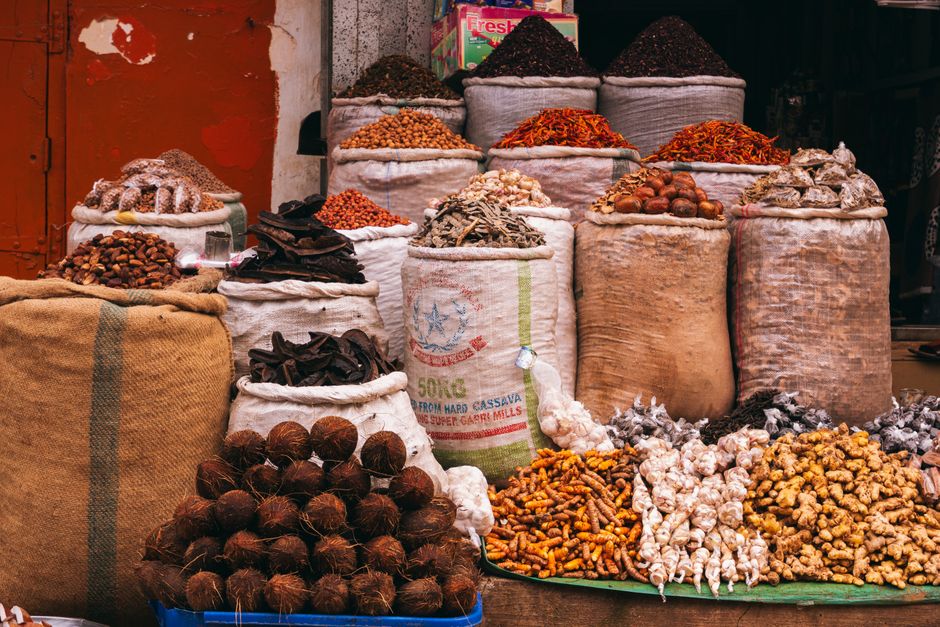
When you buy a bag of rice, a carton of milk, or a pound of coffee, you are at the very end of a long chain. That chain starts on farms and ranches, and the raw products moving along it are called food commodities. A food commodity is a basic agricultural product grown or raised in large quantities and traded as a raw material rather than a finished consumer good. Wheat, corn, soybeans, rice, coffee beans, cocoa, live cattle, and raw milk are all food commodities. They are bought and sold in bulk, often before they are harvested, and their prices affect everything from a loaf of bread to a chocolate bar.
What Is Food Commodities in Simple Terms?
A food commodity is a bulk agricultural product that is treated as interchangeable with the same product from any other source. A bushel of number 2 yellow corn from Iowa is, for trading purposes, the same as a bushel of number 2 yellow corn from Illinois. That sameness is what makes commodities tradeable at scale.
This is different from a branded product. Two jars of peanut butter may contain the same commodity peanuts, but the jars are not commodities. The peanuts are. Commodities are graded by standard criteria, such as moisture content, purity, and size, so buyers can trade them without inspecting every shipment.
The word “commodity” comes from the idea of something common and standardized. Food commodities are the raw inputs of the food system. They are not usually eaten in the form they are traded. They are milled, processed, blended, packaged, and sold under brand names before they reach a kitchen.
Which Foods Count as Food Commodities?
Food commodities fall into a few broad groups. The largest are grains and oilseeds, which include corn, wheat, rice, soybeans, barley, oats, and canola. These are the backbone of global food trade and feed a large share of both people and livestock.
Other major groups include:
- Softs — coffee, cocoa, sugar, and cotton. These are grown in tropical or subtropical regions and traded heavily worldwide.
- Livestock and meat — live cattle, hogs, and feeder cattle, traded mainly through futures markets.
- Dairy — raw milk, butter, and cheese powder, which are traded in bulk and used in processed foods.
- Pulses and other crops — dry beans, lentils, and chickpeas.
Some of these are called “soft commodities” because they are grown rather than mined, and because they can be damaged by weather or spoil over time. Hard commodities are things like metals and oil. The distinction matters because soft commodities carry storage and spoilage risks that affect their prices.
How Are Food Commodities Traded?
Most food commodities are traded on organized exchanges, such as those in Chicago, London, and other financial centers. Buyers and sellers use two main tools: cash markets and futures markets.
In a cash market, the actual physical product changes hands, usually for immediate or near-term delivery. In a futures market, people agree to buy or sell a set quantity of a commodity at a set price on a future date. Futures let farmers lock in a price before harvest and let food companies protect themselves against price swings.
It is worth knowing that most futures contracts are never settled with actual delivery of the crop. Traders close out their positions before the delivery date, and the physical commodity moves through separate channels. The futures market mainly serves as a price-setting and risk-management system. That is a detail many people miss when they hear about “commodity trading.”
Prices are driven by supply and demand, weather, fuel costs, currency values, and global events. A drought in a major growing region can push wheat prices up. A strong harvest can push them down. These movements eventually reach grocery shelves, though not always quickly or evenly.
Why Do Food Commodity Prices Affect Grocery Bills?
Commodity costs are one input in the price of food, and often a smaller one than shoppers assume. For a box of cereal, the wheat or corn may be a modest share of the retail price. Packaging, transportation, labor, marketing, and retail markup make up much of the rest.
This is why a jump in corn prices does not translate directly into an equal jump in the price of cornflakes. The link exists, but it is partial and delayed. Processed foods tend to show less direct sensitivity to raw commodity prices than simple, minimally processed foods do.
Some foods are more exposed. A bag of flour or a bag of dry beans is close to the raw commodity, so its price tracks commodity markets more closely. Coffee, cocoa, and cooking oils also tend to reflect commodity swings more visibly because the raw material is a large share of the final cost.
The evidence on how much commodity prices drive retail food prices is mixed and varies by product and region. It is accurate to say commodity prices are one factor among several, not the single driver.
Are Food Commodities the Same as Processed Foods?
No. A food commodity is a raw agricultural product. A processed food is what results after that product is cleaned, milled, cooked, preserved, or combined with other ingredients.
Wheat is a commodity. Flour is a lightly processed form of it. Bread is a finished food. The same crop can become many different products depending on how it is handled. This distinction matters because nutrition advice about whole grains, added sugars, and sodium applies to finished foods, not to the raw commodities themselves.
It also matters for food safety. Raw commodities can carry contaminants, such as mold, bacteria, or pesticide residue, that processing and regulation are designed to manage. Commodity standards and inspections exist partly to keep these risks in check before the product reaches the food supply.
Do Food Commodities Matter for Nutrition and Health?
Commodities matter for health mainly through what the food system does with them. The same corn can become tortillas, animal feed, high-fructose corn syrup, or ethanol. The health impact depends on the final product and the overall diet, not on the commodity alone.
One useful point: the term “commodity crop” is often used in nutrition discussions to describe crops grown at massive scale, such as corn, soy, and wheat. That is a description of farming and trade, not a judgment about whether the crop is healthy. Whole grains made from these crops can be part of a healthy diet. Highly processed products made from them can be less so.
What the evidence does support is that dietary patterns rich in whole grains, legumes, vegetables, and fruits are linked to better health outcomes. Many of these foods start as commodities. The processing and preparation steps in between are where nutrition quality is largely determined.
What Does “Commodity” Mean for Food Labels and Shopping?
You will rarely see the word “commodity” on a food label. Labels describe the finished product, its ingredients, and its nutrition facts. Commodity status is a trade and supply-chain concept, not a consumer-facing one.
What you can see, indirectly, is how commodity markets shape availability and price. When a major coffee-growing region has a poor harvest, coffee prices tend to rise. When soybean supplies are abundant, cooking oil prices may ease. These effects are real but usually gradual.
Shoppers who want to understand food costs are better served by looking at the whole picture: raw commodity prices, energy costs, transportation, labor, and retail margins all play a part. No single factor explains a grocery bill.
Frequently Asked Questions
What is a food commodity in simple words?
A food commodity is a basic raw agricultural product, like wheat, corn, coffee, or milk, that is grown in large amounts and traded in bulk. It is usually processed into finished foods before it reaches a kitchen.
Is rice a food commodity?
Yes, rice is one of the most widely traded food commodities in the world. It is bought and sold in bulk and then milled and packaged for consumers.
Why are food commodity prices rising?
Commodity prices rise when supply falls or demand grows, often due to weather, fuel costs, currency changes, or global events. These price changes reach grocery shelves only partially and over time.
Are food commodities healthy or unhealthy?
Commodities themselves are neither healthy nor unhealthy; their health impact depends on how they are processed and eaten. Whole grains and legumes made from commodities can be part of a healthy diet, while heavily processed products may be less so.
