
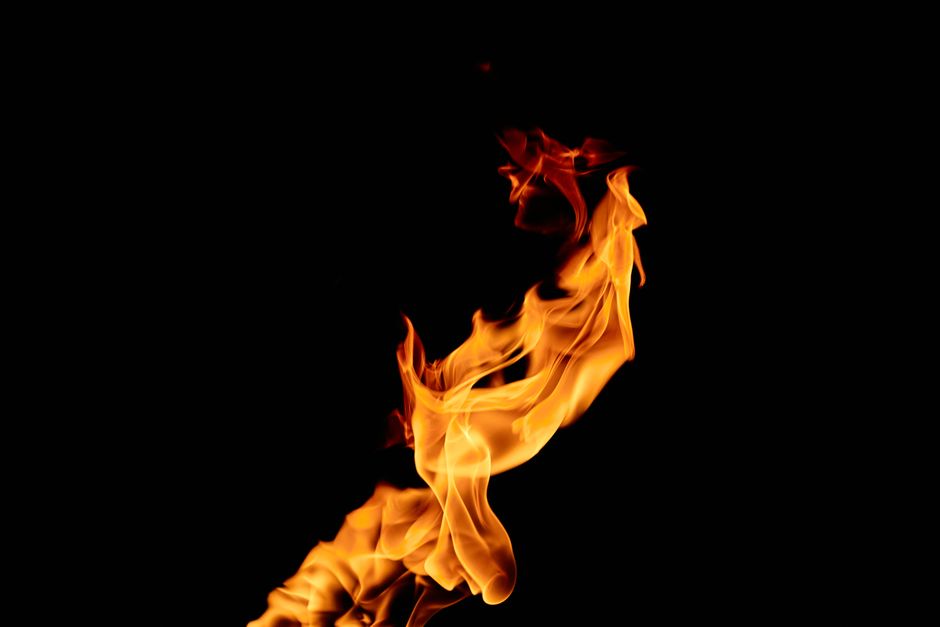
Fire dynamics is the science of how fires ignite, grow, and spread. It combines chemistry, physics, and engineering to predict fire behavior. Understanding fire dynamics helps firefighters and homeowners make safer decisions.
What Is Fire Dynamics the Science of Fire Behavior?
Fire dynamics is the study of fire’s growth, spread, and interaction with its surroundings. It explains how heat, fuel, and oxygen work together to sustain a fire. This science also examines how smoke and gases move, how heat transfers from flames to nearby objects, and how fires change over time. Fire dynamics is used to design safer buildings, train firefighters, and investigate fire causes. It is a core part of fire protection engineering.
What Are the Essential Components of Fire?
Every fire needs three things to start and continue: heat, fuel, and oxygen. This is called the fire triangle. Heat raises the fuel to its ignition temperature. Fuel can be wood, paper, gasoline, or any combustible material. Oxygen—usually from air—must be present for the chemical reaction of combustion to occur. Remove any one of these three elements and the fire goes out.
In real fires, the interaction is more complex. The fire itself produces heat, which can ignite more fuel. This creates a self-sustaining cycle. Fire dynamics studies how these components interact in different environments, such as inside a room or in open air.
How Does Heat Transfer Drive Fire Spread?
Heat moves from a fire to surrounding materials through three methods: conduction, convection, and radiation. Conduction is heat traveling through a solid material, like a metal beam. Convection is heat carried by hot gases and smoke—this is how a fire spreads upward to ceilings and into other rooms. Radiation is heat traveling in waves through the air; it can ignite furniture across a room without direct contact.
Understanding these heat transfer mechanisms is critical for predicting fire growth. For example, radiant heat from a burning sofa can reach a curtain several feet away and cause it to ignite. Firefighters use this knowledge to position themselves safely and to decide when to ventilate a building.





What Are the Stages of a Fire?
A fire in a compartment typically passes through four stages: incipient, growth, fully developed, and decay. Each stage has distinct characteristics and dangers.
| Stage | Characteristics | Main Danger |
|---|---|---|
| Incipient | Fire is small, limited to initial fuel. Smoke rises in a plume. Temperatures are relatively low. | Can be extinguished easily with a portable extinguisher or water if caught early. |
| Growth | Fire spreads to nearby fuels. Heat builds at the ceiling. A hot gas layer forms. Oxygen remains plentiful. | Flashover becomes possible. Smoke and toxic gases accumulate. |
| Fully Developed | All combustible materials are involved. Temperatures peak. The fire is ventilation-controlled. | Extreme heat and structural collapse risk. Firefighting becomes much harder. |
| Decay | Fuel or oxygen is depleted. Fire intensity decreases. Temperatures drop. | Backdraft risk exists if fresh oxygen enters. Smoldering fires can reignite. |
Fire dynamics helps predict how long each stage lasts and what conditions increase the risk of flashover or backdraft.
What Is Flashover and Why Is It Critical?
Flashover is the rapid transition from the growth stage to full involvement of a room. It happens when the hot gas layer at the ceiling radiates enough heat to ignite all exposed surfaces in the room at once. Temperatures can reach extreme levels in seconds. For firefighters, flashover is one of the most dangerous events.
Flashover does not occur in every fire. It depends on factors like room size, ceiling height, ventilation, and fuel load. Fire dynamics research has identified warning signs, such as rolling flames in the hot gas layer or heat that forces firefighters to crouch low. Recognizing these signs can save lives.
How Does Fire Behavior Differ in Wildfires?
Wildfires follow the same principles of fire dynamics but on a massive scale. Fuel is vegetation, heat comes from the fire itself or from sun and wind, and oxygen is abundant. Wind is the most important factor in wildfire behavior. It drives the fire forward, preheats new fuel, and can create spot fires as embers fly ahead of the main flame front.
Fuel moisture also plays a key role. Dry grass or dead trees burn much faster than live, moist vegetation. Topography matters too: fire spreads faster uphill because convection and radiation preheat slopes above. Understanding these dynamics helps predict fire spread and guides evacuation planning.
How Can Understanding Fire Dynamics Improve Home Safety?
Knowing how fires start and spread can help you take practical steps to protect your home. Smoke alarms detect the hot gas layer in the growth stage, giving you time to escape. Keeping doors closed at night limits fire spread and reduces oxygen supply. Storing flammable materials away from heat sources reduces the fuel available.
Fire dynamics also explains why you should never use water on a grease fire—water sinks and instantly vaporizes, spreading the burning oil. Instead, smother the fire with a lid or use a Class B extinguisher. These simple actions come from understanding the science of fire behavior.
Frequently Asked Questions
What is the difference between fire dynamics and fire science?
Fire science is the broader field that includes fire chemistry, suppression, and prevention. Fire dynamics specifically studies how fires grow and spread based on heat transfer and fluid dynamics.
Why do firefighters study fire dynamics?
Firefighters use fire dynamics to predict fire behavior inside buildings, choose safe entry points, and decide when to ventilate. This knowledge reduces injuries and deaths.
Can understanding fire dynamics help me survive a house fire?
Yes. Knowing that smoke and heat rise tells you to stay low and crawl to an exit. Understanding that a closed door can block fire spread gives you time to escape or wait for rescue.
What is backdraft and how is it different from flashover?
Backdraft occurs when a fire has consumed most oxygen and a sudden influx of oxygen causes an explosion. Flashover is a rapid fire spread from radiant heat inside a room, not from added oxygen.
