
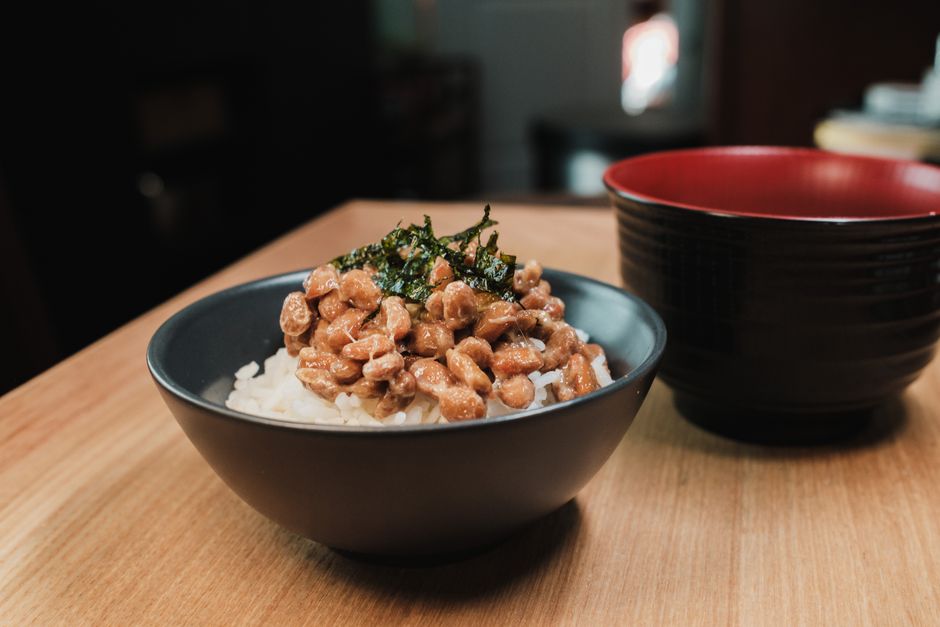
Fermented rice water is exactly what it sounds like: the cloudy liquid left after rice has soaked or cooked, then left to sit so naturally present microorganisms begin to break it down. It has been used as a hair and skin rinse in parts of East and Southeast Asia for generations, and it became a viral trend online after a popular video showed unusually long hair attributed partly to this practice. The liquid contains water-soluble vitamins, minerals, amino acids, and small amounts of starch and antioxidants that transfer from the rice. Whether those compounds do anything meaningful for hair or skin is a separate question from whether they are present — and the honest answer is that human studies are thin.
What Is Fermented Rice Water Benefits For Hair And Skin?
The short answer is that fermented rice water may help hair feel smoother and easier to detangle, and it may leave skin feeling temporarily softer. That is not the same as regrowing hair, repairing damage, or treating any skin condition.
When rice sits in water, fermentation produces mild organic acids. These acids sit close to the pH range that helps flatten the outer layer of the hair shaft, called the cuticle. A flatter cuticle reflects more light and feels smoother to the touch. This is the same general principle behind many acidic hair rinses. It is a cosmetic, surface-level effect, not a change to the hair’s structure or growth.
On skin, the starch and amino acids in the liquid can act as a light humectant, meaning they help draw and hold a small amount of moisture at the surface. Some people find this soothing. Others find it drying, especially if they leave it on and let it dry completely.
What fermented rice water does not do is penetrate to the follicle and change how hair grows. No well-designed human trial has shown that it increases hair growth rate, hair density, or thickness. Claims about hair regrowth from rice water are not supported by clinical evidence.
What Is Actually in Fermented Rice Water?
The composition depends heavily on the rice used, the water, how long it ferments, and the temperature. That variability is one reason it is hard to study and hard to make claims about.
Broadly, the liquid contains:
- Water-soluble B vitamins, including some thiamine and niacin, though in modest amounts
- Minerals such as magnesium, potassium, and small amounts of iron and zinc
- Amino acids released from rice proteins
- Starch and other carbohydrates
- Organic acids produced during fermentation, including lactic acid
- Small amounts of phenolic compounds with antioxidant activity
The key word is small. Rice is mostly carbohydrate. The vitamins and minerals that leach into soaking water are present at low concentrations. A rinse is not a supplement. Very little of what is in the liquid is absorbed through skin or scalp in any meaningful amount.
The fermentation step does change the liquid. It lowers the pH and produces acids that were not there before. This is the main reason fermented rice water behaves differently from plain rice water — the acidity, not a sudden surge of nutrients.
How Does Fermentation Change Rice Water?
Fermentation is the work of naturally occurring bacteria and yeast. When rice sits in water at room temperature, these microorganisms consume sugars and produce acids, mainly lactic acid. The pH drops.
That drop matters for hair. The surface of healthy hair is mildly acidic, and products in that range tend to smooth the cuticle. A rinse that is too alkaline — which plain rice water can be, depending on the water used — tends to lift the cuticle and leave hair feeling rougher. Fermentation nudges the liquid in a more hair-friendly direction.
Fermentation also breaks down some of the starch and protein into smaller pieces. Smaller molecules can sometimes penetrate the hair shaft slightly more than large ones. Whether that translates into a benefit you can see or feel is not well established.
There is a tradeoff. The same conditions that ferment rice water also allow harmful bacteria to grow if the process is not managed. Leaving rice water out for a long time at warm temperatures is not the same as a controlled ferment. This is a real food-safety and skin-safety concern, not a minor one.




Does Fermented Rice Water Help Hair Growth?
No clinical evidence confirms that fermented rice water grows hair. The viral claims rest on personal anecdotes and before-and-after photos, which are unreliable for judging hair growth.
Hair grows from the follicle, which sits below the skin surface. For anything to change growth rate or density, it generally has to reach the follicle and influence its activity. A rinse applied to the surface of the hair does not do this. This is why the comparison to proven treatments does not hold up.
What fermented rice water can plausibly do is improve the appearance of hair you already have. Smoother cuticles mean less friction between strands, which can reduce tangling and the breakage that comes with it. Less breakage can make hair look thicker over time because you are keeping more of the length you grow. That is a real but modest effect, and it is about retention, not growth.
It is worth separating two things people often blend together. Making hair look healthier is not the same as making it grow faster. Only a small number of ingredients have solid evidence for influencing hair growth, and fermented rice water is not among them.
What About Skin — Does It Do Anything?
For skin, the evidence is even thinner than for hair. There is no clinical research showing that fermented rice water treats acne, fades dark spots, reduces wrinkles, or repairs a damaged skin barrier.
What it can do is act as a gentle, temporary moisturizer for some people. The starch and amino acids hold a little water at the surface, which can make skin feel softer right after use. This is a short-lived effect. It is not the same as a formulated moisturizer that also contains occlusives to seal water in.
Some people use it as a toner after cleansing. Others find it irritating, particularly if they have sensitive skin, eczema, or a damaged skin barrier. The organic acids that help hair can sting or dry out compromised skin. Fermented products also carry a higher risk of unwanted bacterial growth if they are not stored properly, and applying that to your face is not harmless.
Rice-derived ingredients do appear in some commercial skincare products, often as rice extract or rice bran extract. Those are formulated and preserved, which is a different situation from a homemade ferment.
How Do People Use It, and What Are the Risks?
Typical use involves rinsing hair with the liquid after shampooing, letting it sit briefly, then rinsing it out. Some people leave it in. For skin, it is usually applied as a toner and allowed to dry.
The main risks are worth taking seriously:
- Bacterial growth. An uncontrolled ferment can grow harmful bacteria. If it smells sour in an unpleasant way, looks cloudy in a new way, or has visible film, throw it out.
- Irritation. The acidity can irritate sensitive skin or a dry, flaky scalp.
- Protein sensitivity. Rice contains proteins. A small number of people react to them, and repeated exposure can sometimes trigger sensitivity over time.
- Drying effect. Left to dry on hair or skin, the liquid can pull moisture out rather than add it.
There are no clinical guidelines for how long to ferment rice water, how often to use it, or how to store it. Anyone giving you precise instructions is working from tradition or personal experience, not established safety data. If you try it, keep the ferment short, refrigerate it, use it quickly, and stop if you notice irritation.
How Does It Compare to Proven Hair and Skin Care?
It helps to place fermented rice water next to approaches with real evidence behind them. The table below compares categories, not specific products.
| Approach | Typical purpose | Evidence level |
|---|---|---|
| Fermented rice water rinse | Cosmetic smoothing, light moisture | Limited; mostly anecdotal |
| Moisturizer with occlusives | Skin hydration and barrier support | Well established |
| Sunscreen | Preventing UV damage and skin cancer | Well established |
| Minoxidil (for pattern hair loss) | Hair regrowth in some users | Well established |
| Gentle cleansing and conditioning | Reducing breakage and tangling | Well established |
The point is not that fermented rice water is worthless. It is that it belongs in the cosmetic category, not the treatment category. If your goal is softer, easier-to-manage hair, it is a low-cost thing to try. If your goal is regrowing hair or clearing a skin condition, it is the wrong tool, and relying on it can delay care that actually works.
If you are losing hair, notice sudden shedding, or have a persistent skin problem, those are reasons to see a clinician. Some causes of hair loss and skin issues are treatable, and identifying the cause matters more than any rinse.
Frequently Asked Questions
Does fermented rice water actually make hair grow?
No clinical evidence confirms that it grows hair. It may help hair look smoother and break less, but that is different from faster growth.
How long should you ferment rice water?
There are no clinical guidelines for fermentation time or storage. Most traditional methods use a short ferment of a day or so, kept cool, and used quickly to reduce bacterial risk.
Is fermented rice water safe for skin?
It is generally well tolerated by many people, but it can irritate sensitive or damaged skin, and an improperly stored ferment can grow harmful bacteria. Stop using it if you notice redness, stinging, or a bad smell.
Can fermented rice water replace a moisturizer or hair treatment?
No. It is a cosmetic rinse, not a substitute for moisturizer, sunscreen, or proven treatments for hair loss or skin conditions.
