
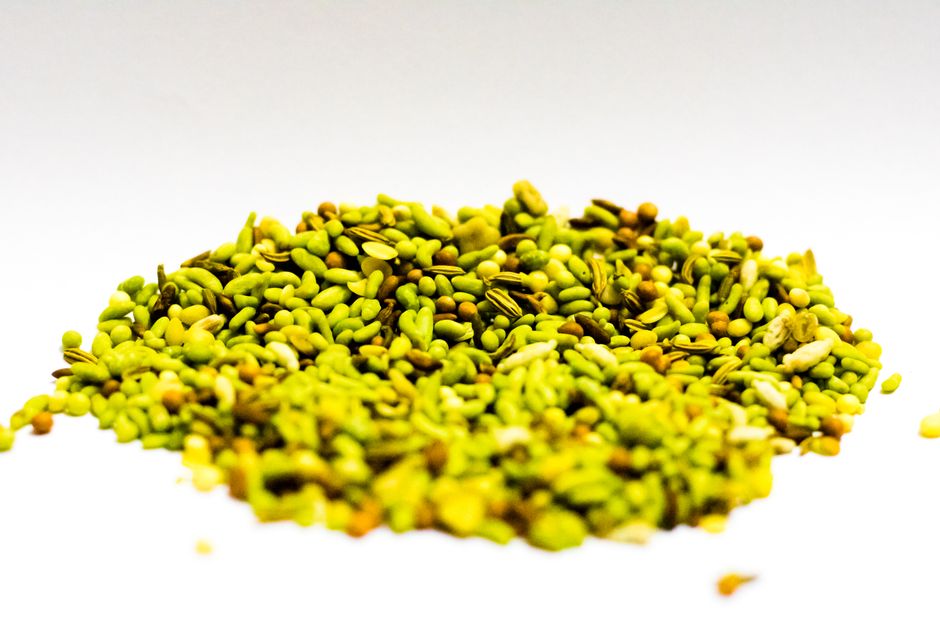
Fennel is a plant whose seeds, bulb, and oil have been used for digestion, bloating, and cough for centuries. Its main active compound is anethole, an oil that gives fennel its licorice-like smell. For most healthy adults, eating fennel as a food is safe. The stronger forms — concentrated fennel oil and fennel extract supplements — carry real risks and are not safe for everyone.
That distinction matters more than most people realize. Fennel on a dinner plate and fennel oil in a capsule are not the same thing. The first is a vegetable. The second is a concentrated dose of a biologically active compound.
What Is Fennel Used For Medically And Is It Safe?
Fennel has a long history in traditional medicine for gas, bloating, and cramping. Modern research has looked at it for a handful of conditions, but the evidence is uneven. Some uses have modest support. Others have almost none.
The clearest evidence involves fennel in a few specific areas:
- Infant colic. Some studies suggest fennel seed oil may reduce crying in infants with colic. The research is small and mixed, and infant use needs a clinician’s guidance first.
- Menstrual cramps. A few trials have looked at fennel extract for period pain. Results vary, and the studies are generally small.
- Digestive complaints. Fennel is widely used for bloating and gas. The biological reasoning is plausible, but large human trials are lacking.
- Cough and sore throat. Fennel tea is a traditional remedy. No strong clinical trials confirm it works.
What fennel does not have is proof as a treatment for any disease. It is not a cure for infections, hormonal conditions, or inflammation. Marketing that suggests otherwise is not supported by clinical evidence.
Does Fennel Actually Help With Digestion?
Fennel is one of the most common traditional remedies for bloating and gas. The mechanism is partly understood. Compounds in fennel oil appear to relax smooth muscle in the gut, which could ease cramping. That is a reasonable explanation for why fennel tea feels soothing.
But biological plausibility is not the same as proven benefit. The clinical trials on fennel for bloating are small and few. Some clinicians recommend fennel tea for mild digestive discomfort. That reflects common practice, not strong trial evidence.
One clarification worth knowing: the soothing effect of a warm cup of fennel tea is not entirely about the fennel. Warm liquids and the ritual of drinking tea can ease discomfort on their own. Separating the plant’s effect from the drink’s effect is hard, and most studies have not tried.
Is Fennel Safe for Everyone?
Fennel as a food is safe for most people. The risks come from concentrated forms and from specific groups who should avoid it.
Fennel oil and supplements are not the same as the vegetable. Fennel oil is far more concentrated. It should not be taken undiluted, and it should not be given to infants or young children without a clinician’s direction.
Groups who should be cautious or avoid fennel:
- Pregnant women. Fennel in normal food amounts is generally considered fine. Concentrated fennel supplements and medicinal doses are not recommended during pregnancy because of limited safety data and concern about hormonal effects.
- Infants and young children. Fennel tea and fennel oil are sometimes given for colic. This should only happen with a pediatrician’s guidance. No clinical guidelines currently exist for fennel dosing in infants.
- People with estrogen-sensitive conditions. Anethole has weak estrogen-like activity in laboratory studies. Whether this matters at food levels is unclear. People with hormone-sensitive conditions such as certain breast cancers should ask their doctor before using concentrated fennel.
- People with allergies. Fennel is related to celery, carrot, and other plants in the same family. Cross-reactions are possible in people allergic to those foods.
Fennel can also interact with some medications, though the data is limited. Anyone taking prescription drugs should mention fennel supplements to their pharmacist.
What Are the Risks and Side Effects of Fennel?
Fennel used as a food rarely causes problems. Side effects are more likely with concentrated oil or large supplement doses. Reported effects include nausea, vomiting, and stomach upset.
Fennel oil contains estragole, a compound that has raised concern in animal studies at high doses. Regulators have flagged estragole as a substance of concern in large amounts. This is one reason concentrated fennel oil is not recommended for long-term or high-dose use, and why it is not appropriate for pregnant women or children.
There is no established safe upper limit for fennel oil in supplement form. That absence is itself a reason for caution. When a dose has not been established, taking a concentrated product means guessing.
How Do You Use Fennel Safely?
The safest way to use fennel is as food. The bulb can be sliced raw into salads or roasted as a vegetable. The seeds can be chewed, sprinkled on food, or steeped in hot water as tea. These are food-level uses with a long history of safe consumption.
For fennel tea, a common approach is to steep a small amount of crushed seed in hot water for several minutes. This is a culinary preparation, not a medical dose.
For concentrated fennel oil or extract supplements, the picture changes. There is no single established dose that applies across products, and formulations vary widely. Anyone considering a fennel supplement for a specific health reason should talk to a healthcare provider first — especially if pregnant, breastfeeding, giving it to a child, or managing a medical condition.
Fennel is not a substitute for medical treatment. If bloating, cramping, or digestive symptoms are persistent or severe, they need a diagnosis, not a home remedy.
What Does the Evidence Actually Show?
The honest summary is that fennel’s evidence base is thin. Most studies are small, and many are of modest quality. That does not mean fennel is useless. It means the claims should match the evidence.
What is reasonably supported: fennel is safe as a food for most people, and some studies suggest possible benefit for colic and menstrual cramps, though results vary.
What is not supported: fennel as a treatment for disease, fennel as a proven cure for any condition, and the idea that concentrated fennel oil is risk-free. No clinical evidence currently confirms many of the health claims attached to fennel supplements.
Treat fennel the way you would treat any traditional remedy. It has a place as food and as a mild comfort measure. It is not medicine, and it should not be sold or used as if it were.
Frequently Asked Questions
Is fennel safe to eat every day?
Yes, fennel as a food is safe for most healthy adults to eat regularly. The caution applies to concentrated fennel oil and supplements, not the vegetable or seeds used in cooking.
Can pregnant women drink fennel tea?
Fennel in normal food amounts is generally considered fine during pregnancy. Concentrated fennel supplements and medicinal doses are not recommended, and pregnant women should ask their doctor before using fennel for a health reason.
Does fennel help with bloating and gas?
Some studies suggest fennel may ease mild digestive discomfort, but the evidence is limited and the trials are small. Warm fennel tea may feel soothing, though part of that effect comes from the warm liquid itself.
Is fennel oil safe to take?
Fennel oil is far more concentrated than the food and should not be taken undiluted or given to children without a clinician’s guidance. No established safe upper limit exists for fennel oil in supplement form, so caution is warranted.
