
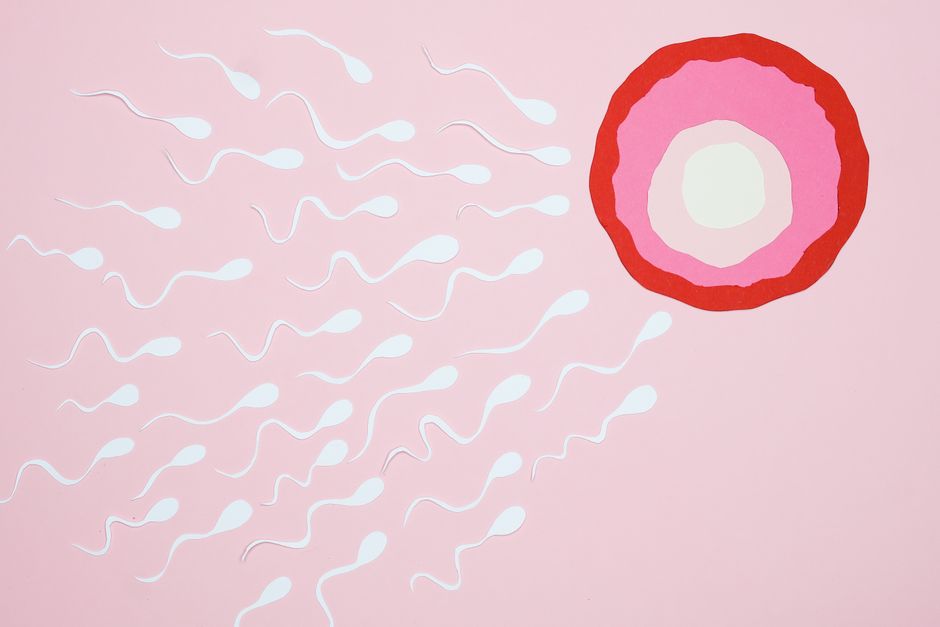
Female sperm is not a real thing in human biology. There is no such thing as “female sperm” that a woman’s body can produce. The idea comes from a misunderstanding of how reproduction works. Sperm are male reproductive cells. Women produce eggs, not sperm. While some research explores creating sperm-like cells from other cell types in a lab, this is experimental science. As of 2026, no one has created functional human sperm from female cells that can fertilize an egg naturally.
What is the correct term for female sperm?
The honest answer is there is no correct term because the concept does not exist in biology. The word you are looking for is “egg” or “oocyte.” Women produce eggs in their ovaries. Men produce sperm in their testicles. These are two completely different cells with different jobs.
Sometimes people use the term “female sperm” when they mean eggs. Other times they use it when talking about lab research trying to create sperm-like cells. Neither use is scientifically accurate. The confusion usually comes from people wanting a word that describes a female version of sperm. That word does not exist because the female version of a sperm is an egg.
What Is Female Sperm Called And Can It Be Created in a lab?
This is the question people actually mean when they search “female sperm.” They want to know if scientists can make sperm from female cells. Some research suggests it may be possible one day, but we are not there yet.
Scientists have experimented with something called in vitro gametogenesis. This is a lab process where they take regular body cells and try to turn them into sperm or eggs. In 2023, researchers in Japan reported creating mouse eggs from male mouse cells. This was a big deal because it showed that sex cells can be made from cells that started as the opposite sex. But this was in mice. Human research is far behind.
For human female cells to become sperm, scientists would need to make several changes. Female cells have two X chromosomes. Sperm cells need one X or one Y chromosome. The lab would have to remove one X chromosome and add a Y chromosome. This is extremely difficult. As of 2026, no lab has successfully made functional human sperm from female cells.
Even if it were possible, it raises serious questions. Would the sperm be healthy? Could it fertilize an egg? Would the resulting embryo develop normally? We do not have answers to any of these questions.
Why do people search for “female sperm”?
Most people searching for this term are asking one of two things. Some are curious about basic biology and want to know the correct name. Others are in a different situation entirely. They may be same-sex couples who want a biological child together. They want to know if two women could have a baby using both of their DNA.
This second group is asking a real question with real emotional weight. Current technology does not allow two women to have a child that is genetically related to both of them. The closest option is a process where one woman provides the egg and the other carries the pregnancy. But the baby only has DNA from the egg provider and the sperm donor. The gestational carrier does not pass on her DNA.
Some people also confuse “female sperm” with the idea that women produce sperm-like cells during pregnancy. This is not true. A developing male fetus begins producing sperm only after puberty, not during pregnancy. Women never produce sperm at any point in their lives.





What about sperm and egg combining from two women?
This is a different question that sometimes gets mixed up with the “female sperm” idea. Could scientists take an egg from one woman and somehow fertilize it with genetic material from another woman?
There is some research on this, but it is very early. One approach involves what is called parthenogenesis. This is when an egg starts developing without being fertilized by sperm. Some animals reproduce this way naturally. In humans, parthenogenetic embryos do not survive. They cannot develop into a baby.
Another approach involves taking a body cell from one woman and inserting its DNA into an egg from another woman. This is similar to cloning. It has been tried in animals with very limited success. In humans, it is not considered safe or ethical to attempt.
The bottom line is clear. As of 2026, there is no way for two women to have a child that is genetically related to both of them through natural or assisted reproduction. The science is not there yet. It may never be.
Can women produce sperm naturally?
No. The human body is designed so that only males produce sperm. This happens in the testicles, which women do not have. Sperm production requires a specific set of hormones and body structures that women do not possess.
There are rare medical conditions where a person’s chromosomes do not match their physical appearance. For example, someone with XY chromosomes may be born with female-looking genitals. But even in these cases, the person does not produce sperm. The testicles either did not develop or do not function.
Some people have a condition called Swyer syndrome. They have XY chromosomes but develop as female. They have streak gonads instead of ovaries or testicles. These gonads do not produce sperm or eggs. They do not produce the hormones needed for puberty either. This condition does not create “female sperm.” It prevents any sperm production at all.
What is the difference between sperm and eggs?
Sperm and eggs are very different cells. Understanding these differences helps explain why “female sperm” is not a real thing.
- Size: Eggs are huge compared to sperm. A human egg is visible to the naked eye. Sperm are microscopic.
- Number: Men produce millions of sperm every day. Women are born with all the eggs they will ever have, around 1 to 2 million. That number drops to about 300,000 by puberty.
- Movement: Sperm swim using a tail called a flagellum. Eggs do not move on their own. They are moved through the fallopian tubes by tiny hairs called cilia.
- Chromosomes: Sperm carry either an X or a Y chromosome. Eggs always carry an X chromosome. This is why the sperm determines the baby’s sex.
- Energy: Sperm are built for speed and mobility. They have very little cytoplasm. Eggs are built for nourishment. They contain a large amount of cytoplasm with nutrients for the early embryo.
These differences are not small. They are fundamental to how reproduction works. You cannot turn an egg into a sperm without completely changing its structure and function.
What does the research actually show?
Let us be clear about what the science says and does not say. Some studies have shown that stem cells can be coaxed into becoming early-stage sperm cells. This has been done in mice. In 2016, Japanese researchers created functional mouse sperm from stem cells. Those sperm fertilized mouse eggs, and healthy baby mice were born.
Human research is much further behind. Scientists have managed to create early-stage human sperm-like cells in a dish. But these cells are not fully mature. They cannot fertilize an egg. They do not have the right shape or function.
Some researchers have tried using bone marrow cells or skin cells to create sperm. These experiments have produced cells that look somewhat like sperm under a microscope. But they do not function like real sperm. They cannot swim properly. They cannot penetrate an egg.
The evidence is clear. Human sperm has never been created from female cells in a lab. The idea remains theoretical. It is a topic of active research, but it is not a medical reality.
Frequently Asked Questions
Is there a scientific name for female sperm?
No. The scientific term for the female reproductive cell is an egg or oocyte. There is no name for female sperm because the concept does not exist in biology.
Can a woman produce sperm?
No. Women do not have the organs or hormones needed to produce sperm. Sperm production requires testicles and specific hormones that women do not have.
Can two women have a baby using both of their DNA?
Not with current technology. There is no way for two women to create a child that is genetically related to both of them. The science does not exist yet.
Has female sperm been created in a lab?
No. Some lab research has created early-stage sperm-like cells, but these are not functional human sperm. No lab has created sperm from female cells that can fertilize an egg.
