
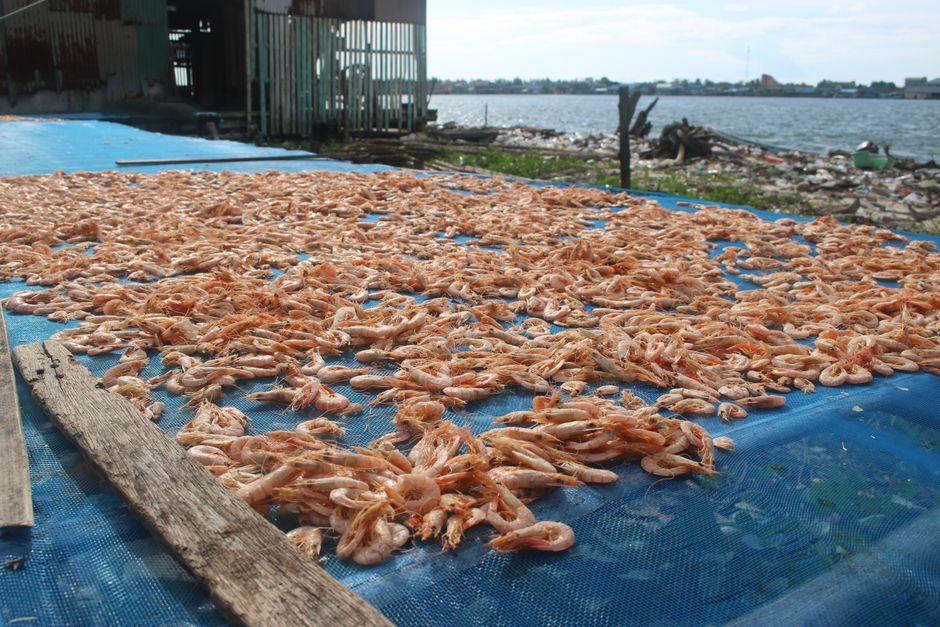
Farm raised shrimp comes from controlled ponds or tanks rather than the open ocean. It is generally safe to eat when sourced from reputable producers. The safety depends heavily on where and how the shrimp were raised, with major differences in antibiotic use, water quality, and feed practices between countries.
How Is Farm Raised Shrimp Different From Wild Shrimp?
Wild shrimp live and grow in oceans, rivers, or bays. They eat a natural diet of algae, plankton, and small sea creatures. Farm raised shrimp live in man-made enclosures and are fed manufactured feed.
The biggest difference is control. Farmers control water temperature, feed, and disease prevention. Wild shrimp face natural predators and seasonal changes. Neither is inherently better, but they are different products with different risks.
Wild shrimp tend to have a firmer texture and stronger flavor. Farm raised shrimp are often milder and softer. The nutritional profiles are similar, though wild shrimp usually have slightly more omega-3 fatty acids.
Size consistency is another difference. Farm raised shrimp are sorted and harvested at uniform sizes. Wild shrimp vary widely in size depending on age and species.
What Is Farm Raised Shrimp And Is It Safe To Eat?
Farm raised shrimp is shrimp grown in controlled aquaculture systems. These systems range from simple ponds in coastal areas to high-tech indoor tanks with strict water filtration. The safety depends almost entirely on the farming practices used.
The United States imports roughly 90 percent of its shrimp, according to the Southern Shrimp Alliance. Most of that comes from countries like India, Indonesia, Vietnam, Thailand, and Ecuador. Each country has different regulations and enforcement levels.
Shrimp from the United States is generally considered very safe. The USDA and FDA regulate domestic shrimp farms. Antibiotic use is restricted, and farms must meet water quality standards. Imported shrimp faces less consistent oversight.
Several studies have found antibiotic residues in imported shrimp. A 2020 study published in the Journal of Food Protection found that about 10 percent of imported shrimp samples contained antibiotic residues not approved for use in seafood. Nitrofurans and chloramphenicol were the most common offenders. Both are banned in the United States because of potential cancer risks.
This does not mean all imported shrimp is unsafe. It means the risk varies by country and producer. Large retailers like Costco and Whole Foods have their own testing programs that go beyond government requirements.
What Are The Main Safety Concerns With Farm Raised Shrimp?
Three concerns come up most often in research: antibiotic residues, heavy metals, and bacterial contamination. Each has different evidence behind it.
Antibiotic residues are the most documented problem. The FDA tests imported shrimp regularly. Between 2018 and 2022, the FDA refused entry to about 1,500 shipments of shrimp due to antibiotic contamination, according to FDA import refusal data. Most of these were from India and Vietnam.
Heavy metals like mercury and arsenic are less of a concern with shrimp than with larger fish. Shrimp are small and low on the food chain, so they accumulate fewer heavy metals. A 2018 study in the journal Chemosphere found that farm raised shrimp had lower mercury levels than wild shrimp in most cases.
Bacterial contamination is a risk with any raw seafood. Vibrio and Salmonella have been found in both farm raised and wild shrimp. Proper cooking kills these bacteria. The FDA recommends cooking shrimp to an internal temperature of 145 degrees Fahrenheit.
One concern that gets less attention is the use of sodium bisulfite. Some shrimp farms use this chemical to prevent black spots from forming after harvest. People with sulfite allergies can react to it. The FDA requires labeling when sulfites are present above 10 parts per million.




How To Choose Safer Farm Raised Shrimp
Country of origin is the most useful single piece of information. Shrimp farmed in the United States has the strongest safety record. Canada, Norway, and Australia also have strict aquaculture regulations.
Look for third-party certifications on the package. The most reliable ones include:
- Best Aquaculture Practices (BAP) certification
- Aquaculture Stewardship Council (ASC) certification
- Marine Stewardship Council (MSC) certification for wild-caught
- USDA Organic certification for domestic shrimp
These certifications require farms to meet standards for antibiotic use, water quality, and feed. They are not perfect, but they are better than no certification. A 2021 report by the nonprofit Seafood Watch found that certified farms had significantly lower rates of antibiotic violations.
Frozen shrimp is often a better choice than fresh. Most “fresh” shrimp in grocery stores was previously frozen and thawed. Frozen shrimp is typically frozen within hours of harvest, which preserves quality and slows bacterial growth. Thawed shrimp has a shorter shelf life and more time for bacteria to multiply.
Buy from reputable retailers who can tell you the country of origin and whether the shrimp was farmed or wild caught. Avoid generic “product of multiple countries” labels when possible. These allow the packer to source from different suppliers depending on price, and you lose traceability.
Comparison Of Farm Raised Vs Wild Shrimp
| Factor | Farm Raised Shrimp | Wild Shrimp |
|---|---|---|
| Antibiotic risk | Higher in imported shrimp | Very low |
| Heavy metal levels | Generally lower | Slightly higher |
| Omega-3 content | Lower on average | Higher on average |
| Price | Lower | Higher |
| Availability | Year round | Seasonal |
| Environmental impact | Varies by farm type | Depends on fishing method |
| Consistency | Uniform size and flavor | Varies by catch |
This table simplifies a complex topic. Farm raised shrimp from the US or Canada with BAP certification is very different from uncertified shrimp from countries with weak regulations. The label matters more than the category.
Common Misconceptions About Farm Raised Shrimp
Many people believe farm raised shrimp is full of hormones. This is not true. Hormones are rarely used in shrimp farming because they are ineffective. Shrimp do not respond to growth hormones the way cattle or chickens do. The FDA has not approved any hormones for use in shrimp.
Another common belief is that all farm raised shrimp is dirty and raised in filthy water. This was more true 20 years ago than it is today. Large producers now use recirculating aquaculture systems that filter and treat water continuously. Small farms in developing countries still use ponds that can become polluted, but this is not universal.
Some people think farm raised shrimp has no nutritional value. This is not accurate. Farm raised shrimp is still a good source of protein, selenium, and vitamin B12. It has less omega-3 than wild shrimp, but it is not nutritionally empty.
The belief that wild shrimp is always safer is also misleading. Wild shrimp can carry parasites and bacteria just like farm raised shrimp. The safety difference comes from farming practices, not from the farm versus wild distinction itself.
What Does The Research Actually Show About Safety?
The most comprehensive data comes from the FDA’s import monitoring program. Between 2014 and 2023, the FDA tested roughly 5 percent of imported shrimp shipments. About 8 percent of those tested were refused entry for safety violations, according to FDA data compiled by the Government Accountability Office.
Research published in the Journal of Agricultural and Food Chemistry in 2019 analyzed antibiotic residues in shrimp from 15 countries. The study found that 12 percent of samples from Southeast Asia contained antibiotics above legal limits. No samples from the United States or Canada had detectable residues.
A 2022 review in the journal Comprehensive Reviews in Food Science and Food Safety looked at 30 years of studies on shrimp safety. The authors concluded that the biggest risk to consumers is not toxicity but bacterial contamination from improper handling after purchase. They noted that cooking eliminates most safety concerns.
The Centers for Disease Control and Prevention tracks foodborne illness outbreaks linked to shrimp. Between 2010 and 2020, the CDC identified 12 outbreaks linked to shrimp. Most were caused by Vibrio or Salmonella. Only two were linked specifically to farm raised shrimp. The rest had unknown sources or were linked to imported shrimp from multiple countries.
This data suggests the risk is real but manageable. Buying from reputable sources and cooking shrimp properly eliminates most safety concerns.
Frequently Asked Questions
Is farm raised shrimp safe to eat raw?
No. Farm raised shrimp should never be eaten raw. Cooking to 145 degrees Fahrenheit kills harmful bacteria and parasites that may be present.
Which country has the safest farm raised shrimp?
The United States, Canada, Norway, and Australia have the strongest aquaculture regulations and the lowest rates of antibiotic contamination in testing data.
Does farm raised shrimp contain antibiotics?
Some imported farm raised shrimp contains antibiotic residues not approved for use in the United States. Domestic farm raised shrimp is tested and generally free of antibiotics.
Is farm raised shrimp high in mercury?
No. Shrimp is low on the food chain and accumulates very little mercury. Farm raised shrimp typically has lower mercury levels than wild shrimp.
