
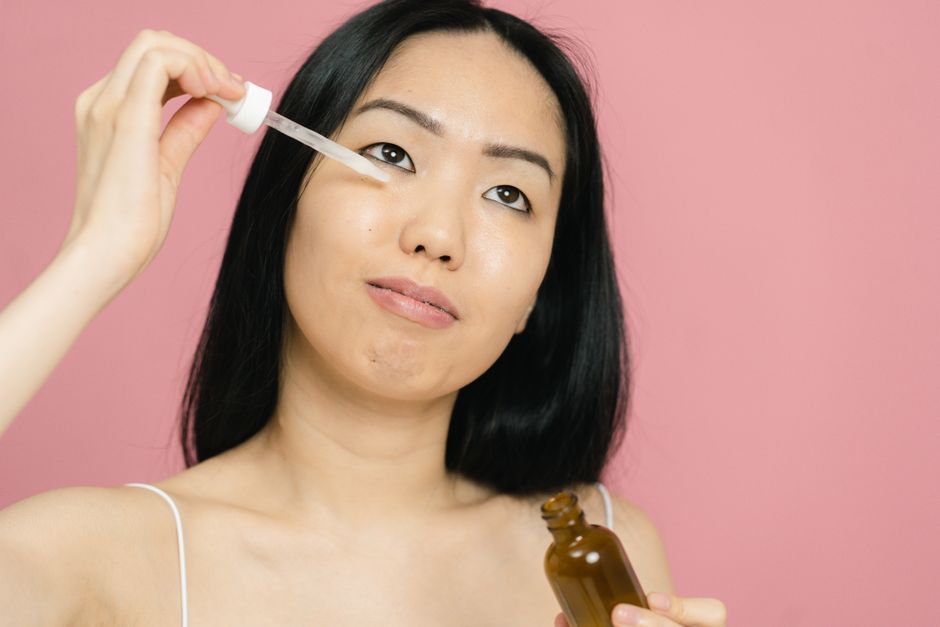
A facial serum is a lightweight skincare product with a high concentration of active ingredients designed to deliver specific benefits, such as hydration, brightening, or anti-aging, directly to the skin. Unlike heavier moisturizers, serums have smaller molecules that penetrate deeper into the skin. They are used after cleansing and before moisturizing to target particular skin concerns. The right serum depends on your skin type and your primary goal, whether that is reducing fine lines, controlling oil, or calming redness.
What Is Facial Serum For Uses Benefits Skin Types?
A serum is a targeted treatment. Think of a moisturizer as a seal that locks everything in and a serum as the active ingredient that does the work. Serums are formulated with higher concentrations of active ingredients than most other skincare products. This makes them effective for addressing specific issues rather than general maintenance.
Most serums are water-based, which allows them to absorb quickly. They do not typically contain heavy oils or thickeners that sit on the surface of the skin. This is why you apply them before your moisturizer. The serum delivers the active ingredients, and the moisturizer creates a barrier to keep them there.
Serums are not a replacement for sunscreen or a moisturizer. They are an additional step in a skincare routine. The benefits you get depend entirely on the ingredients in the formula. There is no universal serum that does everything well.
What Are the Main Benefits of Using a Serum?
Serums provide concentrated doses of ingredients that target specific skin concerns. The benefits are tied to the active ingredients in the formula, not the product category itself. A hydrating serum with hyaluronic acid will not reduce wrinkles. An anti-aging serum with retinol will not hydrate dry skin as effectively as a dedicated humectant.
Hydration is one of the most common benefits. Serums with hyaluronic acid or glycerin draw water into the outer layer of the skin. This is different from oil-based moisturizers that prevent water loss. A hydrating serum increases the water content in the skin directly.
Brightening is another popular goal. Ingredients like vitamin C and niacinamide can help fade dark spots and even out skin tone. These work by interfering with melanin production or by accelerating cell turnover.
Anti-aging benefits come from ingredients like retinol, peptides, and antioxidants. Retinol stimulates collagen production and speeds up cell renewal. Peptides are building blocks that signal the skin to produce more collagen. Antioxidants like vitamin E and ferulic acid protect the skin from environmental damage that accelerates aging.
Oil control is a benefit for people with acne-prone skin. Serums with salicylic acid or niacinamide can help regulate sebum production and keep pores clear. These are typically lightweight and non-comedogenic.
How Do Serums Differ From Moisturizers?
Serums and moisturizers serve different functions. A serum delivers active ingredients into the skin. A moisturizer creates a protective layer on top of the skin to prevent water loss. You generally need both.
Serums have a thinner consistency. They are mostly water or gel-based and absorb quickly. Moisturizers are thicker. They contain oils, ceramides, or other emollients that sit on the surface and seal in moisture.
The concentration of active ingredients is also different. Serums pack a higher percentage of the active ingredient. Moisturizers typically contain lower concentrations because their primary job is barrier repair and hydration.
Using a serum without a moisturizer is fine for people with oily skin. People with dry skin will likely need both. The serum provides the treatment, and the moisturizer locks it in.




Which Serum Is Best for Each Skin Type?
Your skin type determines which serum will work best. Using the wrong serum can cause irritation, breakouts, or excessive dryness. Match the serum to your skin’s needs.
Dry skin benefits most from hydrating serums. Look for hyaluronic acid, glycerin, or ceramides. These ingredients attract water and help the skin hold onto it. Avoid alcohol-based formulas that can strip moisture.
Oily skin responds well to lightweight, oil-free serums. Niacinamide is a good option because it helps regulate oil production. Salicylic acid serums can also help clear pores and reduce shine. Avoid heavy oils that can clog pores.
Sensitive skin needs gentle, fragrance-free formulas. Look for soothing ingredients like aloe vera, centella asiatica, or chamomile. Avoid strong acids, retinol, and essential oils that can cause redness or stinging.
Combination skin can be tricky. You may need different products for different areas of your face. A balancing serum with niacinamide can work well for the T-zone while still being gentle enough for drier areas.
Aging skin benefits from serums with retinol, peptides, or vitamin C. These ingredients support collagen production and help reduce the appearance of fine lines. Start with a lower concentration of retinol to avoid irritation.
What Ingredients Should You Look For?
The ingredient list matters more than the product name or brand. Learn to recognize the active ingredients that address your specific concern. This will help you avoid wasting money on products that do not match your needs.
Hyaluronic acid is a humectant that holds up to 1000 times its weight in water. It is excellent for dry or dehydrated skin. It works by pulling water into the outer layers of the skin, which reduces the appearance of fine lines caused by dehydration.
Vitamin C is an antioxidant that brightens the skin and protects against free radical damage. It can help fade dark spots and even out skin tone. It is best used in the morning under sunscreen.
Retinol is a vitamin A derivative that speeds up cell turnover and stimulates collagen production. It is one of the most studied anti-aging ingredients. It can cause irritation, so start with a low concentration and use it only at night.
Niacinamide is a form of vitamin B3 that helps with oil control, redness, and skin barrier function. It is well-tolerated by most skin types and pairs well with other active ingredients.
Salicylic acid is a beta-hydroxy acid that penetrates into pores and dissolves oil and dead skin cells. It is effective for acne-prone skin and blackheads.
Peptides are short chains of amino acids that signal the skin to produce more collagen. They are gentler than retinol and good for people who cannot tolerate stronger actives.
How Should You Apply a Serum Correctly?
Application technique affects how well a serum works. The order of your skincare routine matters. Applying products in the wrong order can reduce their effectiveness or cause irritation.
Cleanse your face first. Serum should go on clean, slightly damp skin. Damp skin absorbs water-based serums better than dry skin. Pat a few drops onto your face and neck. Do not rub vigorously. Let it absorb for a minute before applying the next product.
Serum goes before moisturizer but after toner. The general rule is to apply products from thinnest to thickest consistency. This ensures that each product can absorb properly.
Use only a few drops. Serums are concentrated. More product does not mean better results. It can actually cause irritation or pilling when you apply your moisturizer on top.
Some active ingredients should not be mixed. Retinol and vitamin C can be irritating when used together. Use vitamin C in the morning and retinol at night. This avoids potential irritation while still giving you the benefits of both.
Are There Any Side Effects or Risks?
Serums can cause side effects, especially when you introduce strong active ingredients too quickly. Irritation, redness, peeling, and breakouts are the most common issues. These are usually temporary but can be uncomfortable.
Retinol is the most common culprit. It can cause what is called the “retinol purge” — a period of peeling and breakouts that lasts a few weeks. This is normal as the skin adjusts. Starting with a low concentration and using it every other night can help minimize this.
Vitamin C can cause stinging on sensitive skin, especially at high concentrations. If this happens, reduce the frequency of use or switch to a gentler derivative.
Patch testing is a good idea before using any new serum. Apply a small amount to your inner arm or behind your ear. Wait 24 hours to see if you have a reaction. This is especially important for people with sensitive skin or allergies.
If you are pregnant or breastfeeding, some active ingredients are not recommended. Retinol and high-dose salicylic acid are typically avoided during pregnancy. Speak with your doctor before starting any new skincare product.
Frequently Asked Questions
Can I use a serum every day?
Yes, most serums are safe for daily use. However, strong active ingredients like retinol should be introduced gradually to avoid irritation.
Do I need a serum if I already use a moisturizer?
Not necessarily, but a serum provides a higher concentration of active ingredients than a moisturizer. If you have a specific concern like dark spots or fine lines, a serum will likely be more effective.
Can I use two serums at once?
Yes, but you should layer them correctly. Apply thinner, water-based serums first and heavier ones after. Avoid combining retinol and vitamin C in the same routine unless you are certain your skin can tolerate it.
