
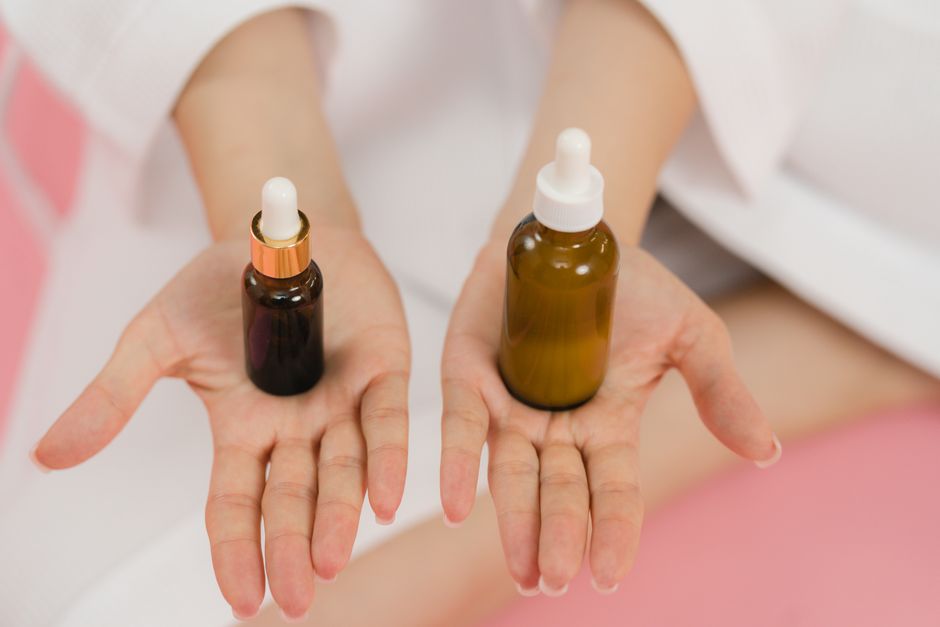
Essence is a lightweight liquid skincare product applied after cleansing and before serum or moisturizer. It is typically watery, not creamy, and is designed to deliver hydration and water-soluble ingredients to the skin. Essence skin care is a real product category with a real function — but much of what you read about it online overstates what it can do.
The word gets used loosely. Some brands call a toner an essence. Others call a serum an essence. That makes the category confusing, and it makes honest claims hard to sort from marketing. Here is what the product actually is, what it can and cannot do, and whether you need one.
What Is Essence Skin Care and Where Did It Come From?
Essence originated in Korean and Japanese skincare routines and moved into Western markets over the past two decades. In its traditional form it is a thin, watery liquid applied with the hands or a cotton pad right after cleansing.
The concept sits between a toner and a serum. Toners were historically astringent, designed to remove residue and tighten the look of pores. Essences were formulated differently — lighter than a serum, more hydrating than a classic toner, and intended to prepare skin for the layers that follow.
That history matters because the category has blurred. Many modern toners are hydrating and alcohol-free. Many essences contain active ingredients once found only in serums. The line between the three products is now mostly a marketing line, not a chemical one.
How Is an Essence Different From a Toner, Serum, or Moisturizer?
The main difference is texture and ingredient concentration. An essence is mostly water with humectants and small amounts of water-soluble actives. A serum is more concentrated and usually thicker. A moisturizer contains emollients and occlusives that seal water into the skin.
That last point is the one most people miss. Hydration and moisture retention are not the same thing. An essence adds water-binding ingredients to the skin surface. It does not seal that water in. Without a moisturizer on top, much of the hydration an essence provides will evaporate.
| Product | Typical texture | Main job |
|---|---|---|
| Toner | Watery | Historically astringent; modern versions often hydrate |
| Essence | Watery, slightly thicker than water | Light hydration and water-soluble ingredients |
| Serum | Light to medium liquid or gel | Concentrated delivery of specific actives |
| Moisturizer | Cream, lotion, or gel | Adds emollients and seals in water |
What Can an Essence Actually Do for Your Skin?
An essence can hydrate the outer layer of skin and deliver water-soluble ingredients such as glycerin, hyaluronic acid, and some plant extracts. That is a modest but genuine benefit. Hydrated skin looks plumper and can feel smoother.
What it cannot do is restructure skin, reverse aging, or replace a serum with concentrated actives. Claims that an essence “boosts” the absorption of everything applied after it are not well supported. The idea is that a damp, hydrated skin surface absorbs subsequent products better. Some evidence suggests applying products to slightly damp skin can improve penetration of certain ingredients, but the effect is small and product-dependent.
Many essences contain fermented ingredients, which are a signature of the category. Fermentation is used in food production and in some cosmetic ingredients, but the claim that fermented skincare ingredients deliver unique benefits to skin is not established in clinical research. Some studies suggest fermented extracts may have antioxidant or barrier-supporting properties. The evidence is early and mostly from small studies or manufacturer-funded research.
Do You Need an Essence in Your Routine?
No. An essence is optional. A routine built on a gentle cleanser, a moisturizer, and daily sun protection covers the essentials for most people. Adding an essence is a choice about texture and experience, not a requirement for healthy skin.
Where an essence can make sense is for people who find serums too heavy or who want a light hydrating layer, especially in humid weather or for oily skin. It can also suit people who enjoy a multi-step routine and find it helps them stay consistent. Consistency matters more than product count.
Where it makes less sense is as a substitute for products with proven actives. If your goal is treating acne, pigmentation, or signs of aging, an essence is not the product doing that work. Ingredients with the strongest evidence for those concerns — such as retinoids, certain acids, and niacinamide — are usually delivered in serums or prescription products, not essences.
What Ingredients Should You Look For or Avoid?
Look at the ingredient list, not the front of the bottle. The most reliable hydrating ingredients in an essence are humectants: glycerin, hyaluronic acid, and similar water-binding compounds. These are well established and generally well tolerated.
Be cautious with fragrance and essential oils if your skin is sensitive or reactive. Fragrance is a common cause of contact irritation and allergic reactions in skincare. “Natural” essential oils are not automatically gentler — some, like citrus oils, can irritate skin and increase sensitivity to sunlight.
Alcohol content is worth checking. Some essences list alcohol high in the ingredient list, which can feel cooling and fast-drying but may be drying with repeated use, particularly for people with dry or sensitive skin. Not all alcohol in skincare is problematic, but a high concentration in a product marketed for hydration is a contradiction worth noticing.
How Should You Apply an Essence?
Apply it after cleansing, before serum and moisturizer. Pat it into the skin with your hands rather than rubbing. Then follow with your other products.
There is no evidence that a specific number of drops or a specific application technique changes outcomes. The important step is what comes after: seal the hydration with a moisturizer. Skipping that step is the most common way people waste an essence.
Is Essence Skin Care Worth the Money?
That depends on what you expect. As a light hydrating layer, an essence can be pleasant and mildly beneficial. As a treatment for skin concerns, it is a poor investment compared with products that contain ingredients with stronger evidence.
Essences vary widely in price, and price does not reliably track with ingredient quality. A simple essence built on glycerin and hyaluronic acid can cost very little. A luxury essence with fermented extracts and a long ingredient list may cost many times more without delivering proportionally more benefit. The evidence for the expensive extras is often thin.
If you enjoy an essence and it helps you keep up a routine, it is a reasonable purchase. If you are buying it expecting visible skin transformation, the honest answer is that the product is unlikely to deliver that. The category is real. The hype around it is not.
Frequently Asked Questions
What does an essence do for your skin?
An essence adds light hydration and water-soluble ingredients to the outer layer of skin. It does not seal in that water, so a moisturizer is still needed on top.
Is essence the same as toner?
No. Traditional toners were astringent, while essences were formulated to hydrate. Many modern toners and essences are now similar, and the distinction is largely a marketing one.
Can I skip moisturizer if I use an essence?
No. An essence adds water-binding ingredients but does not contain the emollients and occlusives that lock water into the skin, so moisturizer is still needed.
Do you need an essence in your skincare routine?
No. An essence is optional, and a routine with a gentle cleanser, moisturizer, and daily sun protection covers the essentials for most people.
