
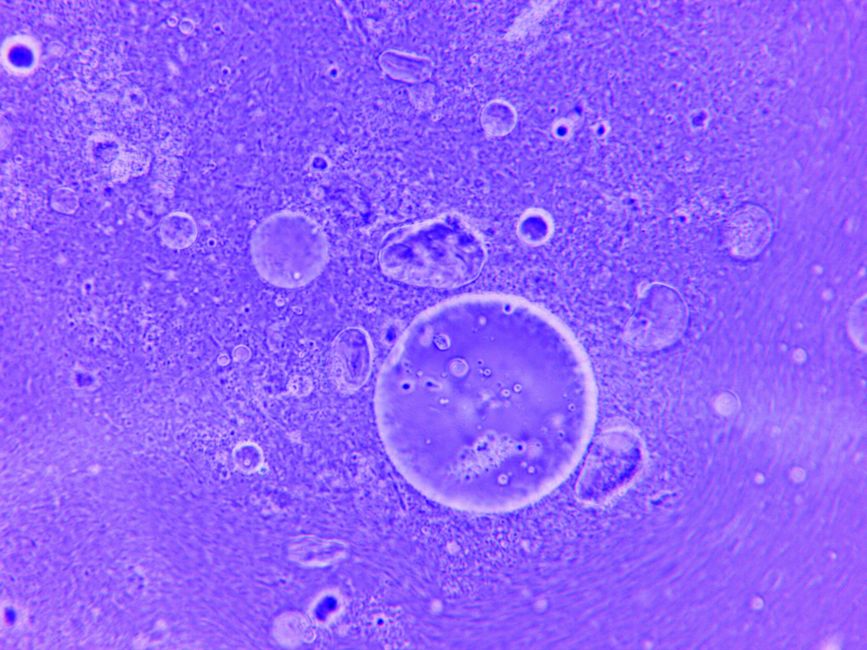
Epithelial cells are the cells that line surfaces of your body, including the urinary tract. Finding them in urine is common and usually harmless. In most cases, a small number of epithelial cells in a urine sample means the sample picked up some cells from the lining of your bladder, urethra, or vagina as urine passed through. The result only becomes meaningful when the count is high or when a specific type of cell shows up in large numbers.
Your urinary tract is lined with a layer of tissue called epithelium. Cells from this lining naturally shed and end up in urine. A urinalysis report may list them as “epithelial cells” with a number or a range like “few,” “moderate,” or “many.” That wording matters more than the presence of the cells themselves.
What Is Epith Cells In Urine?
Epith cells is short for epithelial cells. When a lab reports epithelial cells in urine, it means cells from the lining of your urinary tract or nearby areas were found in your sample. This is a normal finding at low levels.
The urinary tract — kidneys, ureters, bladder, and urethra — is lined with epithelial tissue. These cells turn over constantly. Old cells slough off and are carried out with urine. A urine test will almost always detect some of them.
There are three main types of epithelial cells a lab can identify under a microscope:
- Squamous epithelial cells — flat cells from the lower urethra, vagina, or skin around the genital area. These are the most common type found in urine and usually reflect contamination from the collection process rather than a problem inside the urinary tract.
- Transitional epithelial cells — cells from the bladder and ureters. Small numbers are normal. Larger numbers can sometimes suggest irritation of the bladder lining.
- Renal tubular epithelial cells — cells from the kidney tubules. These are not normally found in urine in significant numbers and can be a sign of kidney injury when present.
Knowing which type is present helps a clinician interpret the result. A report that just says “epithelial cells present” without specifying the type is less useful than one that breaks it down.
What Causes Epithelial Cells in Urine?
The most common cause of epithelial cells in a urine sample is contamination during collection. This is not a disease. It is a sampling issue.
When you provide a urine sample, urine passes through the urethra and, in women, near the vaginal opening. Cells from those surfaces can wash into the cup. A clean-catch method — wiping the area first and collecting urine midstream — reduces this. Even with a good technique, some squamous cells usually appear.
Other causes of higher epithelial cell counts include:
- Normal shedding of cells from the urinary tract lining
- Irritation of the bladder or urethra from infection or inflammation
- Vaginal discharge or menstrual blood mixing with the sample
- Kidney tubule injury, which would show renal tubular cells specifically
- Recent catheterization or other instrumentation of the urinary tract
In many cases, a high epithelial cell count on its own has no clear cause and no clinical significance. What matters is whether other findings appear alongside it — white blood cells, bacteria, blood, or protein.
When Should Epithelial Cells in Urine Be a Concern?
Epithelial cells in urine are only a concern when the count is high or when a specific cell type appears in large numbers. A few squamous cells are expected. Many renal tubular cells are not.
The context of the whole urinalysis matters more than the epithelial cell line by itself. A lab report is a set of clues, not a single number. Clinicians look at epithelial cells alongside other results.
Signs that may prompt further attention include:
- High squamous cells with bacteria and white blood cells — this pattern often means the sample was contaminated, and a repeat clean-catch sample may be needed.
- Renal tubular epithelial cells present — these can indicate kidney injury and are usually investigated further.
- Transitional cells in large numbers — sometimes seen with bladder irritation or, rarely, other conditions affecting the bladder lining.
- Epithelial cells plus blood or protein — this combination warrants a closer look at kidney and bladder health.
One clarification that often gets missed: a high epithelial cell count does not by itself diagnose a urinary tract infection. In fact, a very high squamous cell count can make a urine culture less reliable, because those cells suggest the sample was contaminated. Some clinicians will request a fresh sample before treating.
How Is a Urine Sample Checked for Epithelial Cells?
A lab technician examines urine under a microscope or uses an automated analyzer to count cells. This is part of a standard urinalysis.
The urine is first spun in a centrifuge so heavier material settles at the bottom. A small amount of that sediment is placed on a slide and viewed under a microscope. The technician counts epithelial cells per field of view and notes the type.
Results are usually reported in one of two ways. Some labs use a descriptive range — “few,” “moderate,” or “many.” Others give a number per high-power field (HPF). Reference ranges vary between labs, which is one reason a result should be read against the specific lab’s own range.
Automated urine analyzers are now common and can flag epithelial cells quickly. When the result is borderline or unusual, a manual microscopic check is often done to confirm and to identify the cell type.
What Do Different Epithelial Cell Types Mean?
The type of epithelial cell gives the most useful information. Squamous, transitional, and renal tubular cells come from different parts of the body and carry different implications.
| Cell type | Where it comes from | What it usually means |
|---|---|---|
| Squamous | Lower urethra, vagina, skin near genitals | Most often contamination; common and usually harmless |
| Transitional | Bladder and ureters | Small numbers normal; higher numbers may suggest bladder irritation |
| Renal tubular | Kidney tubules | Not normally found in significant numbers; can signal kidney injury |
Squamous cells are by far the most common type reported. Their presence is so routine that many clinicians barely note a small count. Transitional cells appear in small numbers normally and are more meaningful when abundant. Renal tubular epithelial cells are the ones that tend to trigger follow-up, because the kidney tubules should not be shedding many cells into urine.
This is why a report that simply says “epithelial cells seen” tells you less than one that names the type and amount. If your report is vague, it is reasonable to ask which type was found.
Do Epithelial Cells in Urine Mean an Infection?
Epithelial cells in urine do not mean you have an infection. On their own, they are a normal finding and are not a marker of infection.
Urinary tract infections are identified by other findings — mainly white blood cells and bacteria, sometimes with a positive urine culture. Epithelial cells can appear in urine with or without an infection.
There is a practical wrinkle worth knowing. A high number of squamous epithelial cells in a sample can signal that the sample is contaminated, which makes it harder to interpret bacteria and white blood cell counts. In that situation, a clinician may ask for a repeat sample rather than treating based on a possibly unreliable result.
So the presence of epithelial cells neither confirms nor rules out an infection. The overall urinalysis and, when needed, a urine culture provide the real answer.
What Happens Next If Your Report Shows Epithelial Cells?
In most cases, nothing needs to happen. A low or moderate count of squamous epithelial cells is a routine finding and requires no treatment.
What comes next depends on the rest of your results and whether you have symptoms. If epithelial cells are the only unusual finding, a clinician will often take no action. If they appear alongside other abnormal results, or if you have symptoms like burning during urination, urgency, or pelvic discomfort, further evaluation may follow.
If a repeat sample is requested, a clean-catch method improves accuracy. That means cleaning the genital area first, then collecting urine midstream into the cup rather than at the start. This reduces contamination from skin and surrounding tissue.
You can ask your clinician three useful questions about your result: which type of epithelial cell was found, how many, and whether any other findings appeared in the same sample. Those answers tell you far more than the epithelial cell line alone.
Frequently Asked Questions
Is it normal to have epithelial cells in urine?
Yes, a small number of epithelial cells in urine is normal. Cells from the lining of the urinary tract shed naturally and are carried out with urine.
What does a high level of epithelial cells in urine mean?
A high level often means the sample was contaminated with cells from the skin or vagina during collection. Less often, it can reflect irritation of the bladder lining or, with a specific cell type, kidney injury.
Can epithelial cells in urine be a sign of a urinary tract infection?
No, epithelial cells alone do not indicate an infection. Urinary tract infections are identified by white blood cells, bacteria, and urine culture results, not by epithelial cells.
Should I worry about squamous epithelial cells in my urine test?
Usually not. Squamous epithelial cells are the most common type found and most often reflect contamination from the collection process rather than a health problem.
