
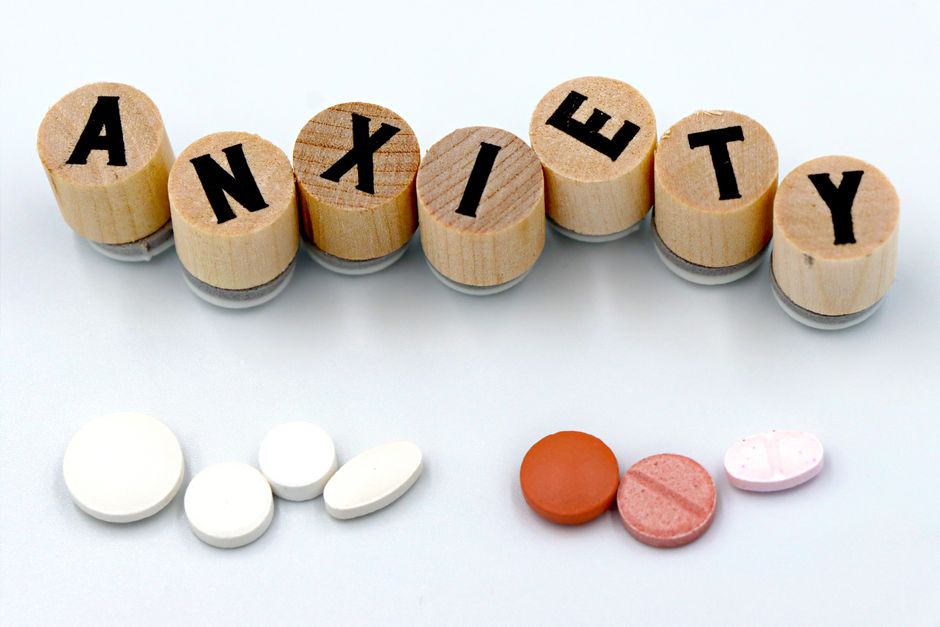
Everyone has mood swings. But when shifts in mood arrive in distinct episodes — periods of days or weeks that feel completely different from your usual self — that pattern has a name and a clinical meaning. Episodic mood disorders are conditions where emotional states come in waves rather than staying steady. The main types are major depressive disorder, bipolar I and bipolar II disorder, persistent depressive disorder, and cyclothymic disorder. Triggers can include major life stress, disrupted sleep, seasonal light changes, substance use, and hormonal shifts. Genetics also play a significant role.
The word “episodic” matters here. It separates a passing bad week from a clinical pattern where mood states have a beginning, a middle, and an end — and then often return.
What Is Episodic Mood Disorder Types And Triggers?
An episodic mood disorder is any condition where mood disturbances occur in discrete periods rather than as a constant background state. Between episodes, a person may function normally or near-normally.
This is different from a personality trait or a reaction to a single event. The episodes follow their own internal logic. They can last days, weeks, or months. They can return without an obvious external cause.
Clinicians group these conditions by the direction of the mood shift. Depressive episodes pull mood, energy, and interest downward. Manic or hypomanic episodes push mood, energy, and activity upward. Some conditions involve only one direction. Others alternate between both.
The trigger question is harder to answer with certainty. Researchers have identified associations between certain stressors and episode onset, but no single trigger causes these disorders on its own. A trigger is usually one factor among several — genetic vulnerability, brain chemistry, life circumstances — that converge at a particular time.
What Are the Main Types of Episodic Mood Disorders?
The types differ mainly in which mood states appear and how severe they become.
Major depressive disorder (MDD) involves one or more depressive episodes lasting at least two weeks. The person experiences persistent low mood or loss of interest, along with changes in sleep, appetite, energy, and concentration. MDD does not include manic or hypomanic episodes.
Bipolar I disorder is defined by at least one manic episode. A manic episode lasts at least one week and significantly impairs functioning or requires hospitalization. Most people with bipolar I also experience depressive episodes, but the manic episode is what defines the diagnosis.
Bipolar II disorder involves hypomanic episodes — which are less severe than full mania — and at least one major depressive episode. Hypomania does not cause the same level of impairment as mania and does not require hospitalization. Bipolar II is not a milder version of bipolar I. The depressive episodes can be just as severe.
Persistent depressive disorder (sometimes called dysthymia) involves a depressed mood lasting most of the day, more days than not, for at least two years in adults. It is less intense than a major depressive episode but far more sustained.
Cyclothymic disorder involves periods of hypomanic symptoms and depressive symptoms that do not meet full criteria for a hypomanic or major depressive episode, lasting at least two years in adults. It is sometimes described as a low-grade, chronic cycling pattern.
One clarification worth making: the term “episodic mood disorder” is not a formal diagnostic category in the DSM-5. It is a descriptive phrase. The actual diagnoses are the ones listed above. If you see the term used loosely online, it usually refers to this group of conditions.
What Triggers a Mood Episode?
Triggers are not causes. They are factors that appear to increase the likelihood of an episode in someone already vulnerable to one.
The most consistently reported triggers include:
- Major life stress — loss, relationship breakdown, job loss, financial crisis. Stressful life events are associated with the onset of depressive episodes in particular.
- Sleep disruption — sleep deprivation can precipitate manic episodes in people with bipolar disorder. This link is well documented in clinical settings.
- Substance use — alcohol, stimulants, and some other drugs can trigger or worsen mood episodes. This is one of the more reliably observed triggers.
- Seasonal changes — reduced daylight in fall and winter is associated with seasonal patterns of depression in some people.
- Hormonal shifts — postpartum periods and perimenopause have been linked to mood episode onset, though the mechanisms are not fully understood.
- Medications — certain prescription drugs, including some steroids and antidepressants used alone in bipolar disorder, have been associated with triggering mania.
Genetics are not a trigger in the usual sense but they set the baseline. Bipolar disorder and major depression both run in families. Having a first-degree relative with either condition raises risk, though it does not determine outcome.
What complicates the trigger picture is that episodes sometimes occur without any identifiable trigger at all. The brain does not always need an external push.




How Are Episodic Mood Disorders Diagnosed?
Diagnosis is clinical. There is no blood test, brain scan, or genetic test that confirms these conditions. A clinician — usually a psychiatrist or a primary care doctor — makes the diagnosis based on history, symptom patterns, and duration.
The key questions a clinician asks are about timing. How long did the episode last? How many episodes have there been? Were there periods of unusually elevated mood or energy? Has the person ever had a manic or hypomanic episode?
That last question matters enormously. Bipolar disorder is frequently missed because people seek help during depressive episodes and do not mention — or do not recognize — prior periods of elevated mood. Some studies suggest the gap between first symptoms and correct diagnosis in bipolar disorder can stretch for years.
There is no established laboratory threshold for diagnosing these conditions. Diagnosis rests on clinical criteria, not on a number.
What Does Treatment Typically Involve?
Treatment depends on the specific diagnosis. The evidence base is strongest for a combination of medication and psychotherapy in most episodic mood disorders.
For major depressive disorder, both antidepressant medication and structured psychotherapy — such as cognitive behavioral therapy — have substantial evidence supporting their use. Some people respond to one, some to the other, and some to both together.
For bipolar disorder, mood stabilizers are the foundation. Antidepressants used alone can trigger a manic episode in people with bipolar disorder, which is why accurate diagnosis matters before treatment begins. This is a well-established clinical concern, not a theoretical one.
Psychotherapy also has a role in bipolar disorder — particularly for recognizing early warning signs of an episode and maintaining routines around sleep and daily structure.
What works for one person may not work for another. Response varies. Finding an effective treatment often involves some trial and adjustment, and that process can take time.
Some clinicians also recommend lifestyle measures — consistent sleep schedules, regular exercise, avoiding alcohol and recreational drugs — as supportive strategies. These are widely advised but are not a substitute for evidence-based treatment in moderate or severe cases.
Can Episodic Mood Disorders Be Prevented?
No intervention reliably prevents these disorders from developing. The genetic and biological factors involved are not currently modifiable.
What can be managed is episode frequency and severity in people who already have a diagnosis. Maintaining treatment, keeping sleep regular, and recognizing early warning signs are strategies that some people find helpful for reducing episode recurrence.
Early intervention matters. Getting an accurate diagnosis and starting appropriate treatment sooner rather than later is generally associated with better long-term outcomes, though the evidence on this varies by condition.
If you notice a pattern of mood episodes — especially if they involve periods of unusually high energy or reduced need for sleep — that is worth discussing with a doctor. It is not something to monitor indefinitely on your own.
Frequently Asked Questions
What is the difference between episodic and chronic mood disorders?
Episodic mood disorders involve distinct periods of mood disturbance with relatively normal functioning in between, while chronic mood disorders involve persistent low mood over years. Persistent depressive disorder is an example of a chronic pattern, while major depressive disorder with distinct episodes is episodic.
Can stress alone cause a mood episode?
Stress alone does not cause these disorders, but it is one of the most commonly reported triggers for episodes in people who are already vulnerable. Genetics and underlying brain biology set the baseline risk.
Is bipolar II less serious than bipolar I?
No. Bipolar II involves hypomania rather than full mania, but the depressive episodes can be just as severe and disabling. It is a distinct diagnosis, not a milder version of bipolar I.
How long does a mood episode typically last?
A major depressive episode must last at least two weeks to meet diagnostic criteria, while a manic episode must last at least one week. Actual episode length varies widely between individuals and is not predictable from diagnosis alone.
