
An eosinophils absolute blood test measures the exact number of eosinophils in a microliter of blood. Eosinophils are a type of white blood cell. They help your body fight certain parasites and play a role in allergic reactions and inflammation. The “absolute” part matters: it gives a precise count, not just a percentage of your total white blood cells.
Most routine blood tests report both a percentage and an absolute number. The absolute count is the one clinicians rely on most when judging whether your eosinophil level is normal, high, or low. This article explains what the test measures, what the results mean, and when a doctor pays closer attention to the number.
What Is Eosinophils Absolute Blood Test?
An eosinophils absolute blood test is a lab measurement that counts how many eosinophils are circulating in your bloodstream at the moment the sample is drawn. It is usually part of a complete blood count (CBC), often with a “differential” that breaks down each type of white blood cell.
Eosinophils are made in your bone marrow and released into the blood. They make up a small share of your total white blood cells under normal conditions. They are best known for defending against parasitic worms and for their role in allergic inflammation. They also participate in fighting some infections and in tissue repair.
The absolute count is reported in cells per microliter (cells/µL). A typical reference range for adults is roughly 0 to 500 eosinophils per microliter, though labs set their own ranges. Your result should always be read against the range printed on your own lab report.
How Is the Absolute Eosinophil Count Different From a Percentage?
The percentage tells you what share of your white blood cells are eosinophils. The absolute count tells you how many there actually are. These can tell different stories.
Imagine your white blood cell total is unusually low. Your eosinophils could be a large percentage of that small total while still being normal in absolute number. The reverse happens too. The percentage can look normal while the absolute number is high or low. This is why clinicians usually look at the absolute count when making decisions.
The absolute count is calculated by multiplying the percentage by the total white blood cell count. Modern lab machines often count the cells directly. Either way, the number on your report reflects the actual quantity in your blood sample.
What Is a Normal Eosinophil Count?
A normal absolute eosinophil count is generally under about 500 cells per microliter in adults. Different labs use slightly different upper limits, often between 400 and 500 cells/µL. Some use a lower reference point, and the range can vary by age and by lab method.
An elevated count is called eosinophilia. Clinicians often describe it in degrees:
- Mild: above the upper limit but generally under about 1,500 cells/µL
- Moderate: roughly 1,500 to 5,000 cells/µL
- Severe: above 5,000 cells/µL
These cutoffs are widely used in clinical practice, though exact boundaries vary between sources. A low count is called eosinopenia. It is less commonly a focus of concern on its own.



What Causes a High Eosinophil Count?
A high eosinophil count means something is stimulating your bone marrow to make more of these cells, or shifting them into your blood. There are several broad categories of causes. Many are common and treatable.
Allergic conditions are among the most frequent causes. Asthma, allergic rhinitis (hay fever), and atopic dermatitis can all raise eosinophils. Drug reactions are another important cause, including reactions to some antibiotics and other medications.
Parasitic infections are a classic trigger, especially infections with worms that invade tissues. In the United States, these are less common than allergies but still relevant, particularly with travel or exposure history.
Certain medications can raise the count. Some anticonvulsants, antibiotics, and other drugs are known to do this. A doctor will review your medication list when interpreting a high result.
Eosinophilic disorders are a group of conditions where eosinophils build up in specific tissues, such as the esophagus, lungs, or gastrointestinal tract. Some blood cancers and bone marrow disorders can also raise the count. Adrenal gland problems are a less common cause.
A single mildly high result is often not serious. It can reflect a temporary allergic response or a recent infection. The pattern over time and the rest of your blood count matter a great deal.
What Does a Low Eosinophil Count Mean?
A low eosinophil count is common and often not a sign of disease on its own. Eosinophils can drop during acute stress, serious infection, or treatment with corticosteroid medications. They can also be low in people who are otherwise healthy.
Because normal eosinophil levels can be close to zero, a low count is rarely the main finding a doctor focuses on. It is usually interpreted alongside your other blood results and your overall health picture.
When Should You Be Concerned About Your Result?
Concern depends on how high the count is, whether it is rising or stable, and what symptoms you have. A mildly elevated count with no symptoms is often monitored rather than treated aggressively. A count that is very high, or that keeps climbing, warrants a closer look.
Symptoms that deserve attention alongside an abnormal count include persistent itching, skin rashes, breathing problems, swelling, digestive complaints, or unexplained weight loss. These can point toward specific conditions that need evaluation. None of them confirm a diagnosis by themselves.
Your doctor may repeat the test to see whether the number is stable. A single result can be affected by timing, recent illness, or medications. Trends over time are usually more informative than one reading.
How Are Eosinophils Measured?
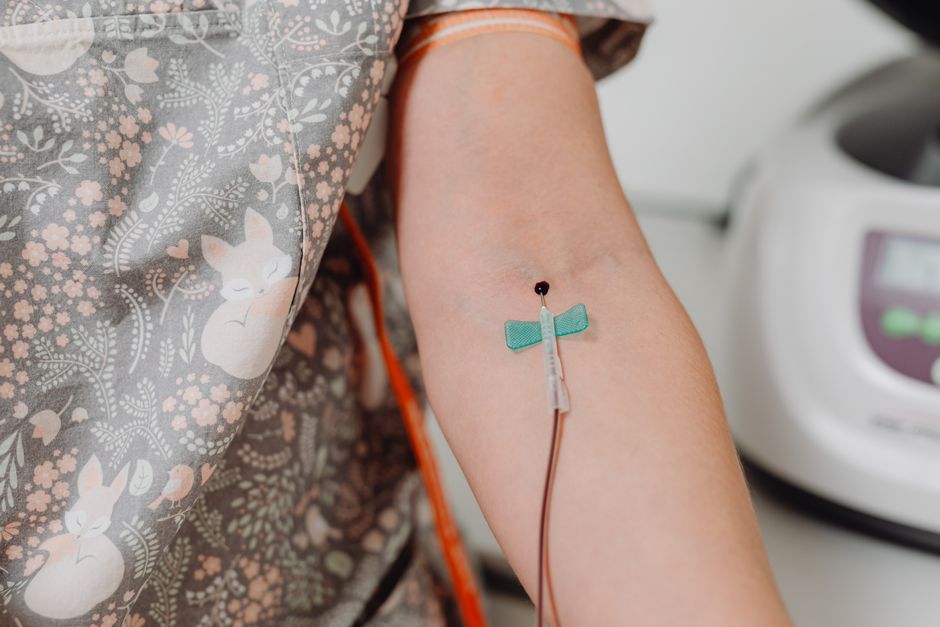
Eosinophils are measured from a standard blood draw, usually from a vein in your arm. The sample goes to a lab, where automated machines count and classify the white blood cells. If results are unusual, a lab technologist may examine the blood under a microscope to confirm the count.
No special preparation is usually needed for a CBC. You do not typically need to fast unless your doctor orders other tests at the same time. The test itself takes only a few minutes.
Because the count can shift with recent illness, allergies, or medication changes, your doctor may ask about these factors before interpreting the result. This context is part of why a number alone does not tell the full story.
What Happens If Your Count Is Abnormal?
An abnormal result usually leads to more questions rather than immediate treatment. Your doctor will consider your symptoms, your medical history, your medications, and your other blood counts. They may order follow-up tests, such as a repeat CBC or specific tests for allergies or infections.
If a cause is found, treatment targets that cause. Managing allergies, stopping a triggering medication, or treating an infection can bring the count back toward normal. In more complex cases, a specialist such as an allergist, hematologist, or gastroenterologist may be involved.
It is worth knowing that eosinophil counts are not a screening test for any single disease. They are one piece of information. A normal count does not rule out every condition, and an abnormal count does not confirm one.
Frequently Asked Questions
What is a normal eosinophils absolute count?
A normal absolute eosinophil count is generally under about 500 cells per microliter in adults, though labs set their own ranges. Always compare your result to the reference range on your own lab report.
Is a high eosinophil count serious?
It depends on how high the count is and what is causing it. Mild elevations are often due to allergies or medications, while very high counts need prompt medical evaluation.
Can allergies raise your eosinophil count?
Yes, allergic conditions such as asthma, hay fever, and eczema commonly raise eosinophils. The count often falls when the allergy is well controlled.
Do I need to fast for an eosinophils absolute blood test?
No fasting is usually required for a complete blood count, which includes the eosinophil count. Follow your doctor’s instructions if other tests are ordered at the same time.
