
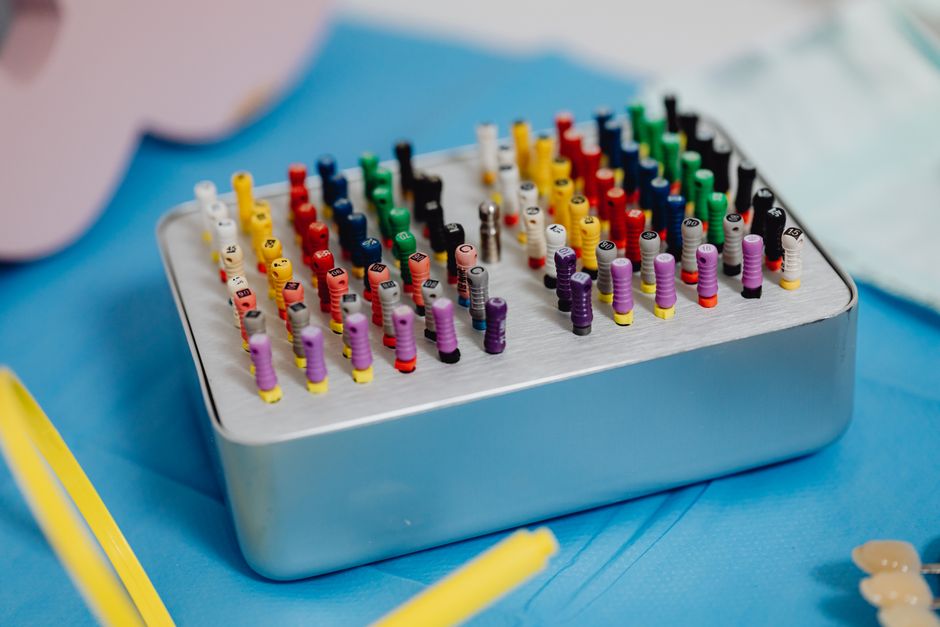
Endodontic therapy is the dental treatment most people know as a root canal. It removes infected or inflamed pulp tissue from inside a tooth, disinfects the space, and seals it so the tooth can stay in your mouth instead of being pulled. The procedure itself is usually completed in one or two visits, and most people return to normal activities the next day.
What Is Endodontic Therapy and Why Is It Done?
Endodontic therapy treats the inside of a tooth. The word “endodontic” comes from “endo,” meaning inside, and “odont,” meaning tooth. The treatment targets the pulp — the soft tissue at the center of every tooth that contains nerves, blood vessels, and connective tissue.
When that pulp becomes infected or badly inflamed, it cannot heal on its own. The blood supply that would normally fight infection and repair damage is compromised once the pulp is severely affected. Without treatment, the infection can spread into the surrounding bone.
Dentists perform endodontic therapy for a few main reasons:
- Deep decay that has reached the pulp
- A cracked or fractured tooth exposing the pulp
- Repeated dental work on the same tooth
- Trauma that damaged the pulp without visible cracks
- An abscess at the root tip
The goal is straightforward. Remove the source of infection, clean and shape the canal system, then seal it so bacteria cannot get back in. The tooth stays in place and continues to function for biting and chewing.
One point worth clearing up: a root canal does not “kill” a tooth in the way people often mean. The tooth is no longer vital — it loses its nerve and blood supply — but it remains anchored in the jaw and can last for decades with proper care.
What Happens During the Procedure?
Most root canals follow a predictable sequence. Your dentist or an endodontist — a dentist who specializes in this treatment — will typically start with imaging to see the shape of the canals and check for infection around the root.
Here is the general flow:
- Numbing. Local anesthetic is used to make the tooth and surrounding area numb. For anxious patients, some dentists offer sedation options.
- Isolation. A rubber dam is placed over the tooth. This keeps the area dry and prevents debris or disinfectant from reaching your mouth.
- Access. A small opening is made through the top of the tooth to reach the pulp chamber.
- Cleaning and shaping. Tiny instruments remove the pulp tissue. The canals are shaped and flushed with disinfecting solutions to reduce bacteria.
- Filling. The cleaned canals are filled with a rubber-like material called gutta-percha and sealed.
- Restoration. The opening is closed with a temporary or permanent filling. In many cases, a crown is recommended afterward to protect the tooth from fracture.
How long it takes depends on the tooth. Front teeth usually have one canal and are simpler. Molars can have three or four canals and take longer. Some teeth need two visits, especially if there is a lot of infection.
You should not feel sharp pain during the procedure if the anesthetic is working. Pressure and vibration are common. If you feel pain, tell your dentist — more anesthetic can usually be given.
Is a Root Canal Painful?
The reputation is worse than the reality. With modern anesthesia, most people report that getting a root canal feels similar to getting a filling. The pain people associate with root canals usually comes from the infection itself, not the treatment.
That distinction matters. Untreated infection in a tooth can be intensely painful. The procedure is what relieves it.
After the anesthetic wears off, mild soreness and tenderness are common for a few days. The tooth and surrounding gum may feel bruised. Over-the-counter pain relievers are often enough. Some dentists recommend avoiding hard chewing on that tooth until it is fully restored.
If you have severe pain that gets worse instead of better, swelling that increases, or a reaction to the medication, contact your dentist. These are not typical and may signal a problem that needs attention.





What Does Recovery Look Like?
Recovery from endodontic therapy is usually short. Many people go back to work or school the same day. Others prefer to take it easy for a day, especially if they had significant infection or a long appointment.
Here is what most people can expect:
- First 24 to 48 hours: Mild tenderness when biting or pressing on the tooth. Some gum soreness near the injection site.
- First week: Discomfort fades. The tooth may still feel slightly different from your other teeth.
- Until final restoration: The tooth is more fragile. Avoid hard or crunchy foods on that side.
- After the crown or permanent filling: Normal function usually returns.
Some teeth feel “different” for a while even after healing. That is not unusual. The ligament that attaches the tooth to bone can take time to settle after infection and treatment.
Good oral hygiene during recovery matters. Brush and floss as your dentist advises. Keeping the area clean helps the gum tissue heal and protects the restored tooth.
Root Canal vs. Extraction: What Are the Trade-offs?
When a tooth is badly infected, there are generally two paths: treat it with endodontic therapy or remove it. Both are legitimate options, and the right choice depends on the tooth, the damage, and your situation.
Keeping the natural tooth has advantages. Your bite stays balanced. Nearby teeth do not shift into the empty space. Chewing feels normal. And you avoid the cost and surgery of an implant or bridge.
Extraction may be the better option when the tooth is cracked below the gumline, when there is not enough healthy structure left to restore, or when the root is fractured. In those cases, a root canal may not be able to save the tooth.
The evidence here is worth stating plainly: root canal treatment has a high success rate when the tooth is properly restored afterward, but success is not guaranteed. Some teeth need retreatment later. Some develop new infection. A crown or permanent restoration is not optional — it is part of what makes the treatment last.
How Long Does a Root Canal Treated Tooth Last?
Many root canal treated teeth last for decades. Some last a lifetime. Longevity depends heavily on the final restoration, your oral hygiene, and your overall health.
A tooth that is not properly sealed or crowned is at higher risk of fracture or reinfection. That is why dentists emphasize the follow-up restoration so strongly. The root canal removes the infection, but the crown protects what remains.
Regular dental visits matter. Your dentist can check the treated tooth, look for signs of new infection, and confirm the restoration is holding up. If problems develop, retreatment or other options may be possible.
No treatment lasts forever without care. But a well-treated, well-restored tooth can serve you for a very long time.
Frequently Asked Questions
How long does a root canal procedure take?
Most root canals take between 30 and 90 minutes, depending on the tooth and the complexity of the canals. Front teeth are usually faster than molars, and some cases require a second visit.
Can I go back to work after a root canal?
Most people can return to normal activities the same day, though some prefer to rest if the appointment was long or the infection was significant. Avoid hard chewing on the treated tooth until it is fully restored.
Do I always need a crown after a root canal?
Not always, but crowns are commonly recommended for back teeth because they are more likely to fracture without one. Front teeth may only need a filling in some cases.
What happens if I do not get a root canal?
An infected tooth will not heal on its own, and the infection can spread to the bone and surrounding tissue. In some cases, the tooth may need to be extracted.
