
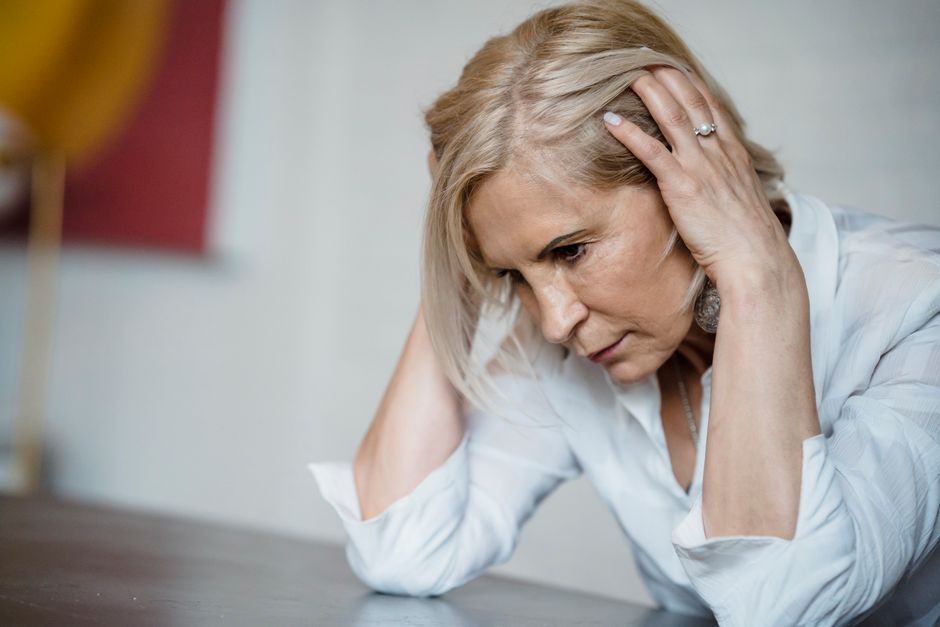
Emotional instability is a pattern of rapid, intense mood shifts that feel out of proportion to what is happening around you. It is not a diagnosis on its own. Instead, it is a set of symptoms that can show up in several different mental health conditions, and sometimes in people who do not meet criteria for any of them. The signs include moods that swing quickly, strong reactions to small triggers, and a shaky sense of self. Causes range from temperament and early experiences to specific conditions like borderline personality disorder or bipolar disorder. Treatment usually means therapy, sometimes medication, and often both.
What Is Emotional Instability?
Emotional instability describes moods that change fast and hit hard. A person might feel fine in the morning, crushed by early afternoon, and furious by evening, with each shift tied to something small.
This is different from ordinary moodiness. Everyone has good days and bad days. Emotional instability is a pattern that is persistent, intense, and disruptive to work, relationships, or daily functioning. It tends to show up across many situations rather than in just one area of life.
Clinicians sometimes use the term affective instability. It describes moods that are reactive, short-lived, and easily triggered. The mood shift often lasts hours rather than days, which helps distinguish it from some other conditions.
One important clarification: emotional instability is not the same as being “dramatic” or “attention-seeking.” Those are judgments, not clinical descriptions. The underlying issue is a difference in how emotions are generated, felt, and regulated in the brain and body.
What Are the Signs of Emotional Instability?
The signs cluster around mood, relationships, self-image, and impulse control. Not everyone has all of them, and the pattern matters more than any single sign.
Common signs include:
- Mood shifts that happen within hours or a day, often triggered by small events
- Intense anger that is hard to control, followed by guilt or shame
- Fear of being abandoned, sometimes leading to urgent efforts to hold onto a relationship
- A self-image that shifts depending on who you are with or how you feel that day
- Impulsive choices around spending, driving, substances, or sex
- Feelings of emptiness that do not lift with distraction
- Self-harm or thoughts of suicide during emotional peaks
The self-harm and suicide points deserve direct attention. Emotional instability is associated with higher risk of self-harm and suicidal behavior, particularly when moods shift fast and impulsivity is high. This is not a reason to panic. It is a reason to take the pattern seriously and talk to a clinician.
Some people also notice physical signs. Muscle tension, a racing heart, stomach upset, and trouble sleeping often travel with emotional instability. These are not separate problems. They are part of how the body responds to chronic emotional arousal.
What Causes Emotional Instability?
There is no single cause. Emotional instability usually emerges from a mix of biology, temperament, early environment, and current stress.
Several factors are consistently linked to it:
- Temperament. Some people are born with a more reactive emotional system. This shows up early, sometimes in childhood.
- Early experiences. Childhood environments that were unpredictable, invalidating, or traumatic are linked to difficulty regulating emotions later in life.
- Brain circuitry. Research on emotion regulation points to differences in how the prefrontal cortex and the amygdala communicate. The prefrontal cortex helps put the brakes on emotional reactions. The amygdala helps generate them. When the balance shifts, emotions can feel overwhelming.
- Genetics. Family history raises risk for several conditions that involve emotional instability, though genes are not destiny.
- Substance use. Alcohol and some drugs can worsen mood swings and lower impulse control, sometimes creating a cycle.
- Hormonal and medical factors. Thyroid problems, some neurological conditions, and hormonal shifts can affect mood. These are worth ruling out with a clinician.
One non-obvious point: emotional instability is not always a sign of a personality disorder. It can appear in mood disorders, trauma-related conditions, attention deficit hyperactivity disorder, autism, and during periods of extreme stress. The same outward pattern can come from very different underlying causes, which is why an evaluation matters.
What Conditions Involve Emotional Instability?
Emotional instability is a feature, not a stand-alone diagnosis. Several conditions include it as a core or common symptom.
Borderline personality disorder (BPD) is the condition most closely tied to emotional instability. It involves a pattern of unstable moods, relationships, self-image, and impulsivity that begins by early adulthood. Affective instability is one of its defining features.
Bipolar disorder involves mood episodes that last days to weeks, not hours. This is a key difference. Bipolar mood shifts are typically longer and less tied to immediate triggers than the shifts in BPD.
Post-traumatic stress disorder (PTSD) and complex trauma can produce intense emotional reactions, especially to reminders of past events.
Major depressive disorder can include irritability and mood swings, particularly in some forms.
Premenstrual dysphoric disorder (PMDD) involves mood instability tied to the menstrual cycle. The timing is the distinguishing feature.
Some people have traits of emotional instability without meeting full criteria for any condition. That does not make the experience less real. It does mean the treatment approach may look different.
How Is Emotional Instability Treated?
Treatment depends on what is driving the pattern. There is no single approach that works for everyone, and the evidence base differs by condition.
For borderline personality disorder, the strongest evidence supports structured psychotherapy. Dialectical behavior therapy (DBT) is the most studied approach. It teaches skills in emotion regulation, distress tolerance, interpersonal effectiveness, and mindfulness. Research consistently shows DBT reduces self-harm and improves emotional regulation in people with BPD. Other therapies with evidence include mentalization-based treatment and schema-focused therapy.
For bipolar disorder, mood stabilizers are the foundation of treatment. Lithium remains the most studied mood stabilizer. Anticonvulsants and some atypical antipsychotics are also used. Psychotherapy is typically added alongside medication, not instead of it.
For trauma-related emotional instability, trauma-focused therapies such as cognitive processing therapy and prolonged exposure have the strongest evidence.
For depression-related mood swings, antidepressants and psychotherapy are both used. Response varies, and finding the right combination often takes time.
Across conditions, a few general points hold:
- Medication is not a universal answer. It helps in some conditions and not others.
- Therapy takes time. Improvement is usually gradual, not immediate.
- Skills practice between sessions matters as much as the sessions themselves.
- Sleep, alcohol use, and physical activity affect mood regulation, though they are not substitutes for treatment.
No clinical guidelines currently exist for treating emotional instability as a stand-alone symptom, because it is not a stand-alone diagnosis. Treatment targets the underlying condition.
When Should Someone Seek Help?
Anyone whose mood shifts are disrupting relationships, work, or daily life should consider talking to a clinician. The pattern does not need to reach a crisis point to deserve attention.
Some situations call for faster action:
- Self-harm or thoughts of suicide
- Impulsive behavior that risks safety or finances
- Substance use that is increasing
- Mood shifts that are worsening over weeks or months
If you or someone you know is in immediate danger, contact emergency services or a crisis line right away. In the US, the 988 Suicide and Crisis Lifeline is available by call or text.
Getting evaluated early tends to help. It also helps to rule out medical causes such as thyroid problems, which can mimic mood disorders.
What Does Recovery Look Like?
Recovery is usually not a straight line. Most people see gradual improvement in how often and how hard their emotions hit, not a sudden disappearance of mood shifts.
For borderline personality disorder, long-term studies have found that many people improve substantially over years, especially with treatment. Symptoms often become less intense with age. This is a hopeful finding, and it is based on longitudinal research rather than short-term trials.
For bipolar disorder, the goal is usually stability and fewer episodes rather than a cure. Medication adherence is a major factor in outcomes.
For trauma-related patterns, improvement often follows processing the underlying experiences, not just managing symptoms.
Across all of these, the honest position is that emotional instability can improve, but the path varies. Some people respond quickly to treatment. Others need several attempts to find what works. Neither outcome says anything about a person’s effort or character.
Frequently Asked Questions
Is emotional instability a mental illness?
No, emotional instability is a symptom rather than a diagnosis on its own. It appears in several conditions, including borderline personality disorder, bipolar disorder, and trauma-related disorders.
What is the difference between emotional instability and bipolar disorder?
Emotional instability involves mood shifts that last hours and are often triggered by events, while bipolar disorder involves mood episodes that last days to weeks. The duration and trigger pattern are the main differences.
Can emotional instability be treated without medication?
For some conditions, such as borderline personality disorder, psychotherapy is the primary treatment and medication is not always needed. For bipolar disorder, medication is generally considered essential.
When should someone get help for emotional instability?
Anyone whose mood shifts disrupt relationships, work, or daily life should talk to a clinician. Self-harm, suicidal thoughts, or risky impulsive behavior are reasons to seek help right away.
