
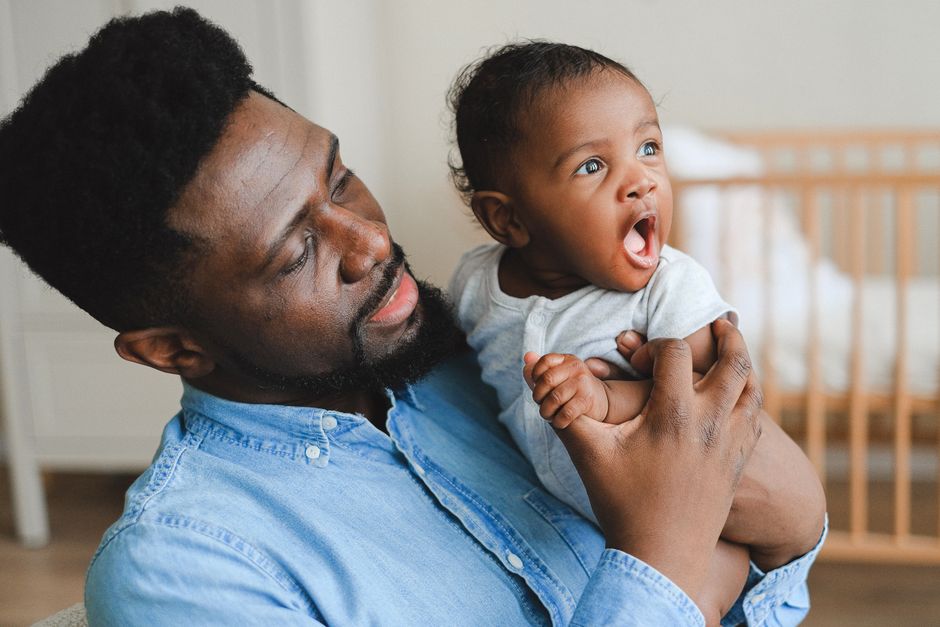
Emotional development is the lifelong process of learning to recognize, express, and manage feelings, and to read and respond to the feelings of others. It begins in the first weeks of life, when an infant’s cries and smiles start to shape a bond with caregivers. From there it continues through childhood, the teenage years, and adulthood, changing in form but never really stopping. The skills it builds — self-awareness, empathy, emotional control — grow on a timeline that is partly biological and partly shaped by experience.
What Is Emotional Development From Infancy To Aging?
Emotional development is the gradual growth of a person’s capacity to experience, understand, and regulate emotions across the whole lifespan. It is not a single skill but a cluster of related ones: feeling an emotion, naming it, controlling how you act on it, and understanding what other people are feeling.
Two threads run through it. One is biology. The brain systems that generate emotion mature on a fairly predictable schedule. The other is experience. How caregivers respond, what a person learns about feelings in their family and culture, and the relationships they form all shape how those systems get wired.
A common misconception is that emotional development is mostly a childhood project that finishes by adulthood. It does not. Adults continue to develop emotional skills. The tasks simply change. A toddler learning not to bite when frustrated and an adult learning to stay calm in a conflict are working on the same underlying capacity at very different levels.
How Does Emotional Development Begin in Infancy?
Newborns have emotions, but they are undifferentiated. A baby’s cry can mean hunger, discomfort, tiredness, or distress, and even the baby does not yet distinguish between these states. What looks like a single response is the raw material from which more specific emotions will emerge.
In the first months, infants begin to show recognizable states that researchers describe as early emotions. Contentment, interest, and distress appear first. By around two to three months, social smiling emerges — a smile in response to a face rather than from internal comfort. This is a meaningful shift because it turns emotion into communication.
Between roughly six and nine months, infants start to show fear and wariness, including what is often called stranger anxiety. They also begin to read emotional cues from caregivers. A classic demonstration of this is social referencing, where a baby who is unsure about a new situation looks at a parent’s face to decide how to react. If the parent looks calm, the baby is more likely to explore. If the parent looks frightened, the baby holds back.
What is happening underneath is rapid brain development. The limbic system, which includes structures like the amygdala that are involved in emotion, becomes active early. The prefrontal cortex, which helps with control and regulation, is far less mature. This mismatch helps explain why infants and young children feel intensely but cannot yet manage those feelings on their own. They rely on adults to do the regulating for them.
What Changes in Childhood and the Teenage Years?
Childhood is when emotional vocabulary and control expand quickly. Between ages two and six, children move from mainly expressing emotions to talking about them. They learn words like happy, sad, angry, and scared, and they start to understand that other people have feelings too. This is the root of empathy.
Play becomes a training ground. Sharing, taking turns, losing a game, and resolving small conflicts all require emotional skills. Children who get practice with these, with adult support nearby, tend to build stronger self-regulation. Children learn a great deal by watching how the adults around them handle their own emotions.
Adolescence brings a well-documented shift. The brain’s reward and emotion systems become highly active during the teenage years, while the prefrontal control systems are still maturing into the mid-twenties. This combination tends to produce stronger emotional reactions and more risk-taking. It is a normal part of development, not a defect.
Teens also develop more complex social emotions. They become more sensitive to peer evaluation, more capable of abstract thinking about values and identity, and more aware of the gap between how they feel and how they are expected to appear. This is a period of real growth in emotional depth, even when it looks turbulent from the outside.





Does Emotional Development Continue in Adulthood?
Yes. Emotional development continues well into adulthood, and in some ways it improves. Research on adult emotional life has found that many people report greater emotional stability and more positive emotional experience as they age, even as physical abilities decline.
One useful idea from this research is that older adults often become better at regulating emotion. They tend to prioritize emotionally meaningful relationships and goals, and they get more skilled at avoiding or defusing situations that stir up needless distress. This is sometimes described as a shift toward emotional optimization — a kind of wisdom about what is worth reacting to.
Adulthood also brings new emotional tasks. Forming long-term partnerships, parenting, caring for aging parents, and facing loss all require emotional skills that childhood cannot fully prepare a person for. Many adults also do deliberate work on their emotional patterns, whether through therapy, reflection, or simply life experience.
This is not a straight upward line. Stress, trauma, illness, and difficult circumstances can set emotional development back at any age. The capacity to grow emotionally is not lost in adulthood, but neither is it guaranteed.
What Shapes How Emotional Development Unfolds?
Emotional development is shaped by a mix of factors, and the balance between them varies from person to person.
- Caregiver relationships. Consistent, responsive caregiving supports secure attachment, which is linked to healthier emotional regulation later. Chronic neglect or unpredictable care is linked to difficulties.
- Brain maturation. The slow development of the prefrontal cortex sets a natural ceiling on self-control at each age.
- Temperament. Some children are born more reactive or more calm. Temperament is not destiny, but it influences how much support a child needs.
- Culture. Cultures differ in which emotions are encouraged, discouraged, or expressed openly. What counts as appropriate emotional behavior is partly learned.
- Stress and adversity. Ongoing stress can affect the developing brain and make emotional regulation harder.
- Learning and practice. Emotional skills can be taught and improved at any age.
The interaction matters more than any single factor. A child with a reactive temperament in a stable, supportive home may develop strong regulation. The same child in a chaotic environment may struggle more. Neither outcome is fixed.
Can Emotional Skills Be Learned Later in Life?
Emotional skills can be learned and improved at any age. This is one of the more consistent findings in the field. The brain retains the ability to change with experience, a property often called neuroplasticity, throughout life.
Programs that teach emotional skills have been studied in schools and workplaces. Approaches that focus on naming emotions, noticing bodily signals, and practicing specific responses show some evidence of benefit, though results vary and the quality of studies differs. The general direction of the evidence supports the idea that these skills are teachable.
For adults, therapy is one route. Certain forms of therapy focus directly on emotional regulation and on understanding patterns learned earlier in life. But formal treatment is not the only path. Many people build emotional skills through relationships, through deliberate reflection, and through the ordinary work of handling difficult situations over time.
It is worth being honest about limits here. Not every emotional difficulty resolves with practice. Some are tied to trauma, mental health conditions, or brain changes that need professional care. Emotional development is real and ongoing, but it is not a substitute for treatment when treatment is needed.
Why Does Emotional Development Matter Across the Lifespan?
Emotional skills affect nearly every part of life. They influence how people form relationships, handle conflict, make decisions, and cope with setbacks. Children with stronger emotional regulation tend to do better socially and academically, though the relationship runs in both directions.
In adulthood, emotional skills are linked to how people manage stress, maintain relationships, and navigate work. Poor emotional regulation is associated with a range of difficulties, from strained relationships to mental health problems.
The reverse is also worth noting. Emotional development does not just serve others. It shapes how a person experiences their own life. Being able to understand and work with your emotions tends to make hard times more bearable and good times more available.
Across the whole lifespan, the core task stays similar: learning to feel what you feel, understand it, and choose what to do next. The complexity grows, but the aim does not change.
Frequently Asked Questions
At what age is emotional development complete?
Emotional development does not have a fixed end point. Core regulation skills continue maturing into the mid-twenties, and adults keep developing emotional capacities throughout life.
What are the main stages of emotional development?
The broad stages are infancy, when emotions first appear and are read from caregivers; childhood, when emotional vocabulary and control expand; adolescence, when emotion and reward systems are highly active; and adulthood, when regulation often improves. Each stage builds on the one before it.
Can emotional development be delayed?
Yes. Emotional development can lag for many reasons, including neglect, trauma, developmental conditions, and chronic stress. A delay does not mean a permanent limit, and support can help at any age.
Does emotional development continue in older adults?
Yes. Many older adults report greater emotional stability and better regulation than when they were younger. Aging brings changes in priorities and emotional goals that can support continued growth.
