
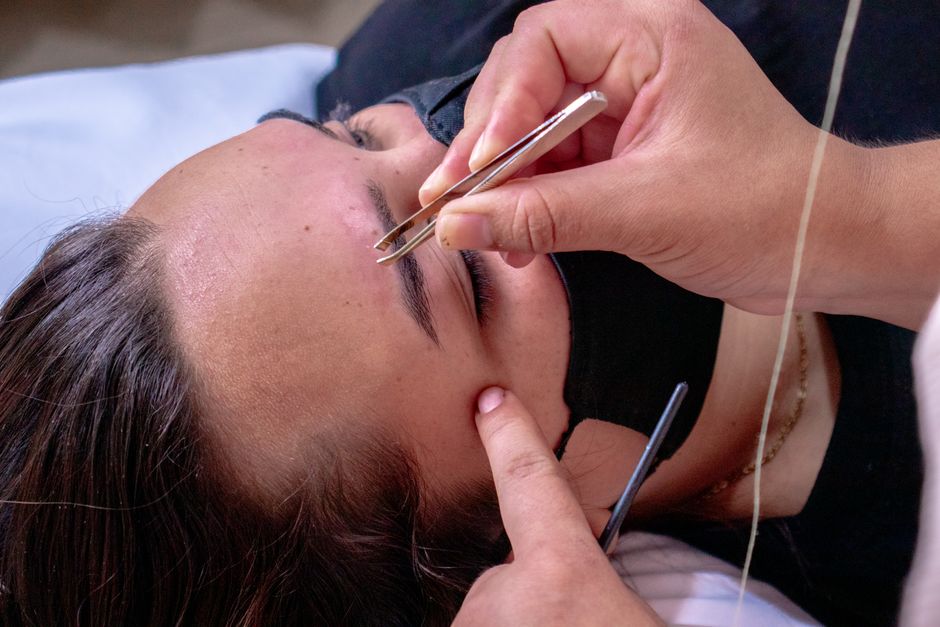
Electrolysis is a method of permanent hair removal that uses a fine probe inserted into each individual hair follicle to deliver a small electrical current. That current destroys the cells in the follicle that grow hair. It is the only hair removal method the U.S. Food and Drug Administration has cleared for permanent hair removal, and it works on all hair colors and skin tones.
What Is Electrolysis Hair Removal?
Electrolysis treats hair one follicle at a time. A trained electrologist slides a sterile, hair-thin probe into the follicle alongside the hair shaft, then applies current for a fraction of a second. The hair is then lifted out with forceps. The goal is to damage the follicle’s growth structures enough that it can no longer produce a hair.
This is fundamentally different from laser hair removal. Laser devices target the pigment melanin in the hair, which is why they work best on dark hair against lighter skin. Electrolysis does not depend on pigment at all. It works on white, gray, blonde, and red hair, and it is generally considered the safer option for people with darker skin tones, because it does not carry the same risk of pigment-related burns or lightening.
The trade-off is time. Each follicle is treated individually, so a full face or large area is a series of appointments over many months, not a single session.
How Does Electrolysis Actually Destroy the Hair Follicle?
The follicle is a small pocket in the skin. At its base sits the bulb, which contains the cells that generate the hair shaft, plus a blood supply and a small muscle. To stop hair growth, the treatment has to damage the cells in the bulb and the nearby structures that regrow the follicle.
There are three methods, and they work differently:
- Galvanic electrolysis passes direct current through the probe. This creates a chemical reaction in the follicle fluid that produces sodium hydroxide, a caustic compound that destroys the follicle tissue. It is slower but effective.
- Thermolysis uses alternating current to generate heat that coagulates the follicle tissue. It is faster per hair but relies on heat, and the margin for error is narrower.
- The blend method combines both currents, using heat to speed the chemical reaction. Many electrologists consider it a balance between speed and effectiveness.
None of these methods guarantee that every treated follicle dies. That is the key fact to understand about electrolysis. Some follicles survive, and some regrow weaker hairs. This is why a series of treatments is standard, and why visible results accumulate rather than appear after one session.
Why Does Hair Keep Coming Back After Treatment?
Hair grows in cycles, and only the active growth phase is vulnerable to treatment. A hair in the resting phase is not connected to the same active structures, so treating it does not reliably destroy the follicle.
The three phases are anagen (active growth), catagen (transition), and telogen (resting). At any given time, a percentage of hairs in an area are in each phase. You can treat every visible hair in a patch of skin and still leave follicles that will produce new hairs weeks or months later.
This is not a failure of the method. It is the biology of the hair cycle. It is also why honest electrologists tell clients to expect a course of appointments spaced weeks apart, and why the total number of sessions varies from person to person. Hormones, area of the body, and individual hair density all affect how many cycles it takes.
Is Electrolysis Permanent?
Electrolysis is the only method the FDA has cleared for permanent hair removal. That clearance matters, but the word “permanent” needs honest context.
Research on long-term outcomes is limited. Some studies have reported high rates of hair reduction after repeated treatments, but the evidence base is not as large or as rigorous as you might expect for a method marketed as permanent. No large, independent trials have tracked thousands of people over many years.
What the evidence supports is this: electrolysis can permanently destroy individual follicles, and repeated treatment over the full growth cycle can produce lasting hair reduction across an area. What it does not guarantee is that every follicle is destroyed or that no new hair will ever appear. Hormonal changes later in life, such as those around menopause or from conditions like polycystic ovary syndrome, can cause new hair growth in areas that were previously clear. That is new hair from follicles that were not active before, not a failure of prior treatment.
Laser hair removal, by comparison, is typically described as permanent hair reduction, not permanent removal, and its results depend heavily on hair and skin color. If you want a permanent result on light or gray hair, electrolysis is the method that does not depend on pigment.
What Happens During a Session?
A session begins with a consultation and a patch test, where a small area is treated to check how your skin responds. The electrologist then works methodically through the area, hair by hair.
Most people describe the sensation as a brief sting or heat with each pulse. It varies with the method used, the area of the body, and individual pain tolerance. Sensitive areas like the upper lip, chin, and bikini line tend to be more uncomfortable than the legs or back. Some clinics offer topical numbing cream, and some clinicians use it; the evidence on how much it helps is not strong, so treat it as a comfort measure rather than a guarantee.
After treatment, the area may be red or slightly swollen for a few hours. Small scabs can form around treated follicles. These are normal and usually heal within days. The treated hair is removed during the session, so you will not see the hair again immediately — but regrowth from untreated follicles in the same area is expected between appointments.
Proper hygiene matters. The probe should be sterile and single-use, and the electrologist should follow standard infection-control practices. Ask about this directly if it is not obvious. Reusing probes is a genuine safety concern, not a minor detail.
What Are the Risks and Side Effects?
Electrolysis is generally well tolerated, but it is not risk-free. The most common side effects are temporary redness, swelling, and small scabs. Less common but documented risks include:
- Infection at treated follicles, particularly if aftercare instructions are not followed
- Scarring, which is uncommon with proper technique but possible
- Changes in skin pigmentation, either lightening or darkening, especially in people with darker skin tones
- Folliculitis, an inflammation of the follicles that can look like small pimples
People with certain medical conditions, such as a pacemaker or an implanted defibrillator, should not have electrolysis without medical clearance, because the electrical current can interfere with these devices. People who are pregnant, taking blood thinners, or have active skin infections in the treatment area should discuss the procedure with a clinician first. No clinical guidelines currently address electrolysis safety for every one of these groups, so individual medical advice matters more than general rules.
Choosing a licensed, experienced electrologist reduces risk meaningfully. Technique affects both comfort and the likelihood of side effects.
How Does Electrolysis Compare to Laser Hair Removal?
These two methods are often compared, and the right choice depends on your hair and skin.
| Feature | Electrolysis | Laser |
|---|---|---|
| Works on all hair colors | Yes | No — best on dark hair |
| Works on all skin tones | Yes | Yes, with appropriate devices and settings |
| FDA-cleared for permanent removal | Yes | Cleared for permanent reduction |
| Speed | Slow — one hair at a time | Fast — treats large areas quickly |
| Number of sessions | Many, over months | Fewer, typically spaced weeks apart |
| Cost per session | Lower | Higher |
| Total cost | Can be similar over the full course | Can be similar over the full course |
The cost comparison is worth stating plainly: laser sessions cost more each, but you need fewer of them. Electrolysis sessions cost less each, but you need more. For small areas like the chin or upper lip, the totals can land in a similar range, though this varies widely by location and provider. For large areas like the back or legs, laser is usually far more practical.
For light, gray, or white hair, laser is not a reliable option, and electrolysis is the method that works regardless of pigment.
How Many Treatments Will You Need?
There is no single number. The honest answer is that it depends on the area, the density of hair, your hair growth cycle, and how your follicles respond. A small patch like the upper lip may need fewer sessions than a full beard or back.
What you can rely on is the pattern: appointments spaced weeks apart, with visible thinning accumulating over time rather than after the first session. Any provider who promises a fixed number of sessions with certainty is overpromising. A realistic consultation will give you a range and explain that it may change.
Maintenance sessions are sometimes needed later, particularly if hormonal changes trigger new growth. This is not a sign the original treatment failed.
Is Electrolysis Right for You?
Electrolysis is the most reliable option for permanent hair removal on light, gray, or white hair, and it works on all skin tones. It is also a reasonable choice for small areas where precision matters.
It is slower and requires patience. It is not painless. Results depend on the skill of the electrologist and on completing the full course of treatment. If you have a pacemaker or another implanted electrical device, or you are pregnant, talk to a clinician before booking.
The method is well established and has been used for well over a century. What has changed is our understanding of why it takes multiple sessions and why results vary. That understanding is what lets you set realistic expectations instead of hoping for a one-visit fix.
Frequently Asked Questions
Is electrolysis really permanent?
Electrolysis is the only hair removal method the FDA has cleared for permanent hair removal, and it can permanently destroy individual follicles. Long-term studies are limited, so lasting hair reduction across an area typically requires a full course of treatments.
Does electrolysis hurt?
Most people feel a brief sting or heat with each pulse, and sensitivity varies by body area and individual tolerance. The upper lip, chin, and bikini line tend to be more uncomfortable than the legs or back.
Can I get electrolysis on gray or white hair?
Yes. Electrolysis does not depend on hair pigment, so it works on white, gray, blonde, and red hair. Laser hair removal is far less reliable on these hair colors.
How long does electrolysis take to work?
Visible thinning usually builds over a series of appointments spaced weeks apart, not after one session. The total number of sessions depends on the area, hair density, and your individual hair growth cycle.
