
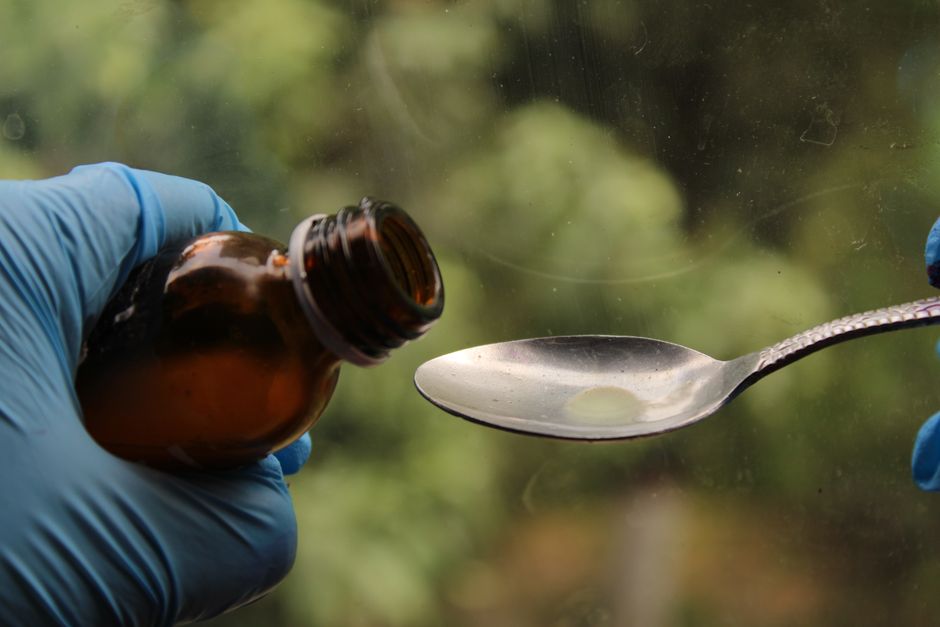
Elderberry syrup is a concentrated liquid made from the dark purple berries of the elder tree, usually mixed with honey or sugar. It is most often used to shorten or ease cold and flu symptoms, and it is generally considered safe for most healthy adults when taken in normal amounts. However, the evidence for how well it actually works is mixed, and raw or unripe elderberries are toxic and must never be eaten or used to make syrup.
What Is Elderberry Syrup Good For?
Elderberry syrup is used mainly for colds and flu. It is not a proven cure, and it does not prevent infection. The interest in it comes from the idea that certain plant compounds might influence how the immune system responds to viruses.
Elderberries contain anthocyanins and other plant chemicals. In laboratory studies, some elderberry extracts have shown antiviral activity against influenza viruses. But lab results do not always carry over to people. A substance that affects a virus in a petri dish may not reach useful levels in the human body or behave the same way once swallowed and digested.
Some small human studies have looked at elderberry for influenza and colds. Results have been mixed. A few trials reported shorter duration or less severe symptoms in people taking elderberry compared with a placebo. Other studies found little or no difference. Many of these trials were small, and some were funded by companies that make elderberry products, which is a factor worth knowing when weighing the results.
What the research does not show is that elderberry prevents illness. There is no strong evidence that taking it regularly stops you from catching a cold or the flu. Vaccination remains the most effective way to reduce influenza risk.
What Does Elderberry Syrup Actually Do in the Body?
There is no single agreed mechanism, and that is part of why the evidence is uncertain. Several ideas have been proposed, but none is firmly established in humans.
One idea is that elderberry compounds may interfere with the ability of viruses to attach to and enter cells. This has been observed in lab experiments. Another is that the plant compounds act as antioxidants or influence inflammatory signaling. Inflammation is part of how the body fights infection, but it is also part of what makes you feel sick. If elderberry changed that response, it might affect how symptoms feel without changing the underlying infection.
It is also possible that any benefit people report is partly a placebo effect. Colds and flu improve on their own, and people often start taking syrup when symptoms are at their worst, which is right before they would start to improve anyway. This makes it easy to credit the syrup for a recovery that was already underway.
The honest position is this: the mechanism is not well established, and biological plausibility alone is not proof that elderberry syrup helps anyone.
Is Elderberry Syrup Safe?
For most healthy adults, elderberry syrup made from properly cooked berries is considered safe in typical amounts. The key word is cooked. Raw and unripe elderberries contain cyanogenic glycosides, compounds that can release cyanide. Cooking destroys them.
Never eat raw elderberries or make syrup from uncooked berries. Never eat the leaves, stems, bark, or roots of the elder plant. These parts contain higher levels of the toxic compounds. Cases of nausea, vomiting, and diarrhea have been reported after people consumed raw berries or homemade products made from them.
Commercial elderberry syrups are made from cooked or processed berries and are generally considered safe when used as directed. Side effects from these products are uncommon but can include stomach upset.
People with autoimmune conditions or those taking drugs that suppress the immune system should talk to a doctor before using elderberry. The concern is theoretical but reasonable: if elderberry does stimulate immune activity, that could work against treatments designed to calm the immune system. No large studies have confirmed this risk, but caution is warranted.
Because elderberry syrup often contains honey, it should not be given to infants under 12 months old. Honey can contain spores that cause infant botulism, a rare but serious illness. No clinical guidelines exist for elderberry syrup in infants or young children, and it should not be given to them without a doctor’s guidance.
How Does Elderberry Syrup Compare With Other Cold Remedies?
Elderberry is one of many products marketed for colds and flu. It helps to know where it sits next to the better-studied options.
- Zinc — Some evidence suggests zinc lozenges started within a day of symptoms may shorten cold duration. They can cause nausea and a metallic taste.
- Vitamin C — Regular use does not appear to prevent colds in most people. It may slightly shorten duration in some cases.
- Oseltamivir (Tamiflu) — A prescription antiviral for influenza. It works best when started early and is not a substitute for vaccination.
- Rest and fluids — Basic supportive care that does not shorten illness but helps you feel better while you recover.
None of these is a cure. Elderberry’s evidence is weaker than that for zinc or prescription antivirals, and it should not replace medical care for severe or worsening symptoms.
When Should You Not Use Elderberry Syrup?
Skip elderberry syrup if you are pregnant or breastfeeding. There is not enough reliable information to confirm it is safe in these groups, and no clinical guidelines exist for its use during pregnancy or nursing.
Also avoid it if you have an autoimmune disease or take immunosuppressant medication, unless a doctor says otherwise. The same caution applies to anyone taking prescription drugs, because elderberry could interact with certain medications. Interactions have not been well studied.
Do not use elderberry syrup to treat a serious illness. If you have trouble breathing, a high fever that will not come down, chest pain, or symptoms that keep getting worse, see a doctor. These can signal pneumonia or another condition that needs real treatment, not a supplement.
And do not make homemade syrup from foraged berries unless you are certain of the species and you cook them thoroughly. Confusing elder with other plants, or undercooking the berries, has made people sick.
Does Elderberry Syrup Prevent Colds and Flu?
No. There is no strong evidence that elderberry syrup prevents colds or influenza. The studies that exist focus on treating symptoms after they start, not on prevention. Even those results are mixed.
If your goal is to lower your risk of flu, the flu vaccine is the best-supported step. Handwashing, avoiding sick people when possible, and keeping your hands away from your face also help reduce the spread of respiratory viruses. Elderberry has not been shown to do any of this.
How Should Elderberry Syrup Be Used?
There are no official dosing guidelines for elderberry syrup from major health agencies. Product labels vary widely, and there is no standard dose that research has settled on. Follow the directions on the product you buy, and do not exceed them.
Because dosing is not standardized, be cautious about taking large amounts or using it for long periods. Short-term use during a cold is the most common approach, but even that has not been firmly established as safe or effective in large trials.
If you decide to try it, treat it as a supportive measure, not a treatment. Keep taking proven steps like rest, fluids, and medical care when needed.
Frequently Asked Questions
Is elderberry syrup safe to take every day?
It is generally considered safe for short-term use in healthy adults, but there are no established guidelines for long-term daily use. Talk to a doctor before using it regularly, especially if you take medications or have a health condition.
Can elderberry syrup cure the flu?
No. Elderberry syrup is not a cure for influenza, and the evidence that it shortens or eases symptoms is mixed. Prescription antivirals and vaccination are the better-supported options.
Is raw elderberry syrup dangerous?
Yes. Raw and unripe elderberries contain compounds that can release cyanide, and eating them has caused nausea, vomiting, and diarrhea. Only use syrup made from properly cooked berries.
Can children take elderberry syrup?
There are no clinical guidelines for elderberry syrup in children, so it should not be given without a doctor’s guidance. Any product containing honey must be avoided for infants under 12 months old.
