
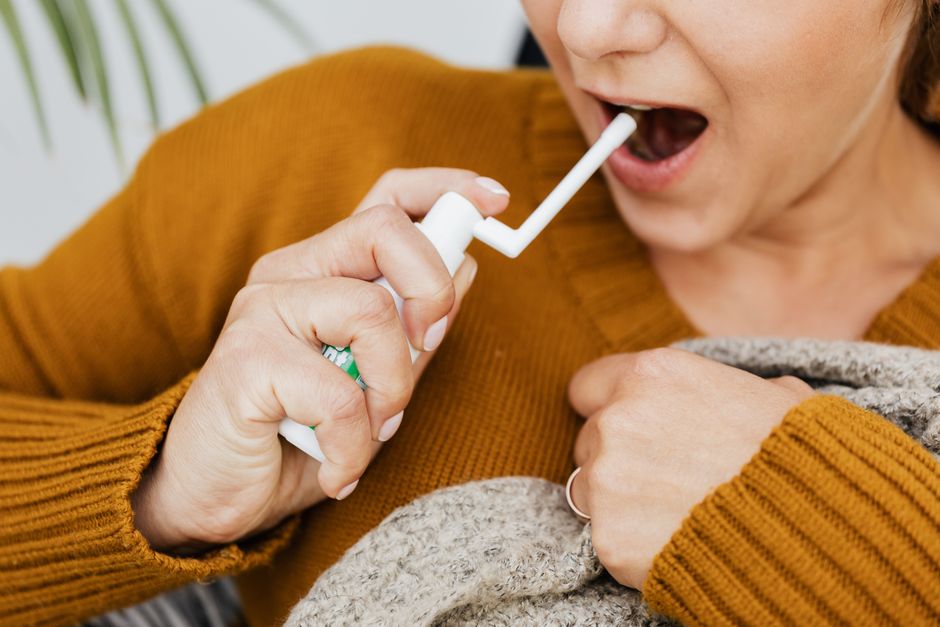
Dry mouth happens when your salivary glands do not make enough saliva. It is not a disease itself. It is a symptom, and it can point to many different underlying causes, from a simple medication side effect to a chronic health condition like Sjögren’s syndrome or diabetes. The medical term for dry mouth is xerostomia, and it affects millions of people, especially as they get older.
Saliva does more than keep your mouth wet. It helps you chew, swallow, and digest food. It washes away food particles and neutralizes acids produced by bacteria. It also helps prevent tooth decay and gum disease. When saliva production drops, the entire balance of your mouth changes, and that can lead to real health problems beyond just feeling uncomfortable.
What Is Dry Mouth A Symptom Of?
Dry mouth is a symptom of several distinct conditions and situations. The most common cause by far is medication. Hundreds of prescription and over-the-counter drugs list dry mouth as a side effect, including antihistamines, decongestants, antidepressants, blood pressure medications, and muscle relaxants. For many people, the symptom appears soon after starting a new medication and fades when the dose changes or the drug is stopped.
Beyond medications, dry mouth can signal an underlying health condition. Diabetes is a frequent culprit because high blood sugar can reduce saliva flow. Sjögren’s syndrome, an autoimmune disease that attacks the glands that produce moisture, is another major cause. Other conditions linked to dry mouth include HIV/AIDS, rheumatoid arthritis, and Parkinson’s disease. Radiation therapy to the head and neck can permanently damage salivary glands, and chemotherapy can temporarily reduce saliva output.
Lifestyle factors also play a role. Smoking and vaping dry out the mouth. Mouth breathing, especially at night, can leave you with a dry feeling in the morning. Dehydration from not drinking enough fluids is a simple and common cause. Stress and anxiety can also temporarily reduce saliva production because the body shifts its resources away from non-essential functions during a stress response.
How Do I Know If I Actually Have Dry Mouth?
Dry mouth is not just a feeling of thirst. It is a persistent sensation of a dry, sticky, or pasty mouth. People often report difficulty swallowing dry foods, a burning or tingling sensation in the mouth, cracked lips, or a sore throat. Some notice that their saliva has become thick or stringy. Bad breath is common because saliva is no longer washing away odor-causing bacteria.
You may also notice changes in your sense of taste. Food might taste bland, metallic, or different than it used to. Chewing and talking can become harder, and dentures may no longer fit comfortably. If you wake up with a dry mouth every morning, that is a strong sign that your overnight saliva production is insufficient. Occasional dry mouth from a hot day or a long run is normal. Persistent dry mouth that lasts for weeks is not.
What Are the Health Risks of Untreated Dry Mouth?
Chronic dry mouth is not just uncomfortable. It has measurable health consequences. Saliva is the mouth’s natural defense system. Without it, the risk of tooth decay rises significantly. Cavities can form quickly, especially along the gum line, because plaque and acids are not being washed away. Gum disease also becomes more likely.
Oral thrush, a fungal infection caused by Candida yeast, is more common in people with dry mouth. The yeast thrives in a dry environment where the normal protective bacteria have been reduced. Mouth sores and ulcers can appear more often. Difficulty swallowing can lead to poor nutrition if eating becomes painful or unpleasant. Some research suggests that chronic dry mouth may also be linked to a higher risk of tooth loss over time.
If you wear dentures, dry mouth can cause sores and irritation because the dentures rub against gums that lack the normal lubrication. The tongue can become red, cracked, and sore. In severe cases, speaking for long periods becomes exhausting. These are not minor inconveniences. They are real health problems that require attention.



What Medical Conditions Are Most Commonly Associated With Dry Mouth?
Diabetes is one of the most common medical conditions linked to dry mouth. High blood glucose levels can cause increased urination, which leads to dehydration. Diabetes can also cause nerve damage over time, and this can affect the nerves that signal the salivary glands to produce saliva. If you have persistent dry mouth and other symptoms like frequent thirst, blurred vision, or slow-healing wounds, it is worth discussing diabetes testing with your doctor.
Sjögren’s syndrome is an autoimmune disorder in which the body’s immune system attacks its own moisture-producing glands. It most often affects women over 40, and dry eyes usually accompany dry mouth. This condition can occur on its own or alongside other autoimmune diseases like rheumatoid arthritis or lupus. Diagnosis typically requires a blood test and sometimes a biopsy of the salivary glands.
Other conditions associated with dry mouth include HIV/AIDS, hepatitis C, and sarcoidosis. Neurological conditions like Parkinson’s disease and stroke can affect the nerves that control salivation. Alzheimer’s disease can also reduce saliva production, partly because people with the condition often take multiple medications that compound the effect. If your dry mouth is accompanied by fatigue, joint pain, or persistent thirst, these are important clues for your doctor.
Can Medications Really Cause Dry Mouth That Bad?
Yes. Medication-induced dry mouth is extremely common, and it is often more severe than people expect. More than 400 medications have been identified as having the potential to cause dry mouth. The mechanism varies by drug class. Antihistamines and decongestants reduce secretions throughout the body, including saliva. Antidepressants, particularly tricyclic antidepressants, block the nerve signals that stimulate saliva production. Blood pressure medications, especially diuretics, increase fluid loss through urine, which can reduce overall body hydration.
If you suspect a medication is causing your dry mouth, do not stop taking it on your own. Some medications, like beta-blockers or antidepressants, can cause dangerous withdrawal effects or a sharp rise in blood pressure if stopped abruptly. Instead, talk to your doctor. They may be able to lower your dose, switch you to a different medication in the same class, or add a medication that stimulates saliva production.
Sometimes the problem is not one medication but the combination of several. Older adults often take multiple prescriptions, and the cumulative drying effect can be substantial. A medication review with a pharmacist or doctor can identify which drugs are contributing most and whether any can be adjusted.
What Can I Do to Relieve Dry Mouth at Home?
Several simple strategies can help manage dry mouth symptoms. Sipping water throughout the day is the most basic and effective approach. Keep a water bottle nearby and take small sips regularly. Sugar-free gum or sugar-free hard candies can stimulate saliva flow. Look for products sweetened with xylitol, which has been shown to reduce cavity risk, but use them in moderation because large amounts of xylitol can cause digestive upset.
Saliva substitutes are available over the counter. These come as sprays, gels, mouthwashes, and lozenges. They do not cure the underlying cause, but they can provide temporary relief. Look for products that contain ingredients like carboxymethylcellulose or hydroxyethyl cellulose. Oral moisturizing gels applied to the gums and tongue before bed can help with nighttime dryness.
Humidifiers can help if you sleep with your mouth open or breathe through your mouth at night. Adding moisture to the air reduces evaporation from your mouth and throat. Avoiding caffeine, alcohol, and tobacco is also important because all three worsen dry mouth. Alcohol-based mouthwashes should be avoided because they can dry the mouth further. Use an alcohol-free rinse instead.
Good oral hygiene becomes even more important when you have dry mouth. Brush with fluoride toothpaste twice a day, floss daily, and see your dentist regularly. Your dentist may recommend a prescription fluoride toothpaste or a fluoride varnish to protect your teeth from decay. Some dentists also recommend prescription mouth rinses that help remineralize tooth enamel.
When Should I See a Doctor About Dry Mouth?
You should see a doctor if your dry mouth is persistent, if it interferes with eating or swallowing, or if it is accompanied by other symptoms like dry eyes, joint pain, or unexplained weight loss. Also, seek medical advice if you are having difficulty speaking, if you notice white patches in your mouth, or if you have sores that do not heal. These can be signs of oral thrush or other infections that need treatment.
If your dry mouth is caused by an autoimmune condition or another underlying disease, treating the root cause is the best approach. Your doctor can run blood tests to check for diabetes, Sjögren’s syndrome, or other conditions. In some cases, they may refer you to a specialist like a rheumatologist or an ear, nose, and throat doctor. There are also prescription medications that can stimulate saliva production, such as pilocarpine and cevimeline, though these are typically reserved for more severe cases.
Do not dismiss persistent dry mouth as just a normal part of aging. While it is more common in older adults, it is not an inevitable part of getting older. It is a symptom with identifiable causes, and many of those causes are treatable. The sooner you investigate, the sooner you can protect your teeth, your ability to eat comfortably, and your overall health.
Frequently Asked Questions
Can dry mouth be a sign of something serious?
Yes, persistent dry mouth can indicate diabetes, Sjögren’s syndrome, or other autoimmune conditions, so it deserves medical evaluation. It can also be a side effect of medications, which is the most common cause.
What vitamin deficiency causes dry mouth?
Vitamin B12 deficiency and vitamin A deficiency have been linked to dry mouth in some research, but the evidence is not strong enough to make a general claim. If you have other signs of deficiency, like fatigue or mouth sores, a blood test can clarify your levels.
Does drinking more water fix dry mouth?
Drinking water helps if dehydration is the cause, but it will not fix dry mouth caused by medications or autoimmune conditions. Water provides temporary relief, but it does not replace the protective proteins and enzymes that saliva provides.
Can anxiety cause dry mouth?
Yes, anxiety can trigger dry mouth because the stress response reduces saliva production. This is usually temporary and resolves when the anxiety passes, though chronic stress can cause more persistent dryness.
