
Donating bone marrow is a two-step process: a short surgical procedure under anesthesia to collect marrow from the back of the hip bone, followed by a recovery period of roughly one to two weeks. Most donors report mild soreness and fatigue rather than severe pain. The body replaces the donated marrow within a few weeks. The experience is different from donating blood, and it is not the same as the more common procedure called peripheral blood stem cell donation.
What Is Donating Bone Marrow Like For A Donor?
For most donors, it feels like a minor surgery with a manageable recovery.
The procedure is called a bone marrow harvest. It happens in a hospital operating room. You are given general anesthesia or regional anesthesia, so you are not awake and do not feel the needle. The doctor uses a hollow needle to draw marrow from the posterior iliac crest — the back of your pelvic bone. This is where marrow is most accessible and where the body has plenty to spare.
The harvest takes about one to two hours. Doctors remove a small fraction of your total marrow, typically a few percent. Your body has a large reserve, and what is taken is replaced. Most donors go home the same day or the next morning.
Recovery is usually unremarkable. The most common complaints are soreness at the collection site and tiredness. Many people compare the feeling to a deep bruise. Some take a few days off work. Others return to lighter activity within a day or two. Heavy lifting and strenuous exercise are usually discouraged for a short window while the site heals.
One point that surprises donors: the needle does not go into the spinal cord. The pelvic bone is far from the spine. The needle enters bone at the hip, not the back in the sense of the spinal column.
How Does Bone Marrow Donation Differ From Stem Cell Donation?
Most people who sign up for a donor registry are actually asked to give peripheral blood stem cells, not marrow.
These are two different procedures, and the difference matters if you are deciding whether to register.
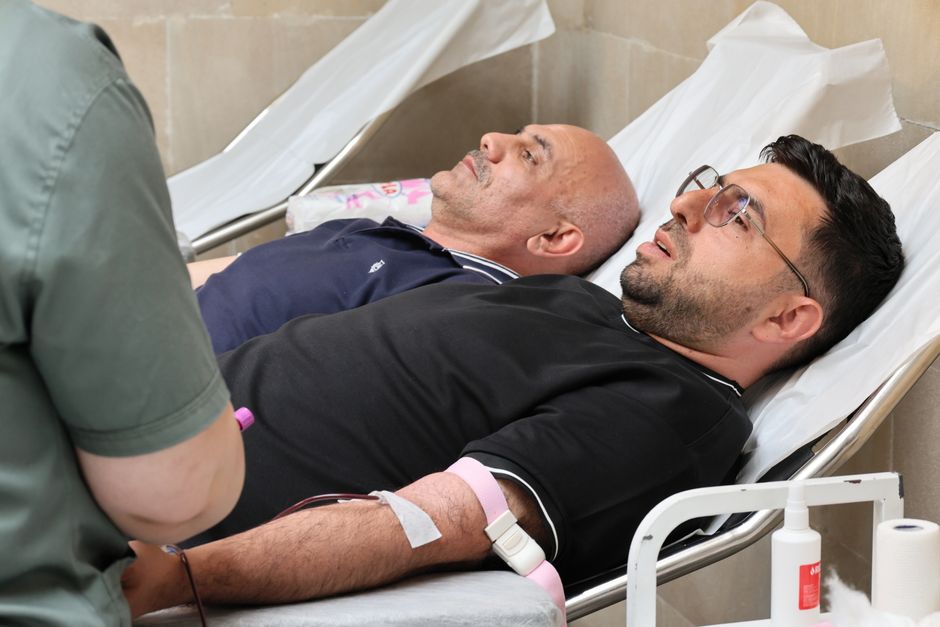
In peripheral blood stem cell donation, you receive injections of a medication called filgrastim for several days before collection. This drug pushes stem cells out of the marrow and into the bloodstream. On collection day, blood is drawn from one arm, run through a machine that separates out the stem cells, and returned to your other arm. No anesthesia and no surgery are involved. The main side effects come from the drug — typically bone aches and flu-like feelings that fade after collection.
In bone marrow donation, the stem cells are collected directly from the bone under anesthesia, as described above.
Both procedures collect the same kind of blood-forming stem cells. Peripheral blood stem cell collection is now the more common method for adult donors. Marrow harvest is used in certain situations, such as when a donor is a child or when the transplant center prefers it.
If you register as a potential donor, you do not get to pick which method is used. The transplant center decides based on the patient’s needs.
How Painful Is Bone Marrow Donation?
Most donors describe the pain as mild to moderate and short-lived. You will not feel the procedure itself because of the anesthesia.
Afterward, expect soreness in the lower back or hip area where the needle entered. Some people notice stiffness when they move or bend. Over-the-counter pain relief is often enough. The discomfort usually eases within several days to a week.
Bruising at the site is common. So is a feeling of tiredness for a day or two. Serious complications are rare but not zero — as with any procedure using anesthesia or a needle into bone, there are small risks of bleeding or infection. Transplant centers screen donors carefully and monitor them during recovery.
Peripheral blood stem cell donation has a different discomfort profile. The filgrastim injections can cause bone pain, headache, and a general achiness for several days. These effects usually resolve after the collection is finished.
How Long Does Recovery Take After Donating Bone Marrow?
Most donors feel back to normal within one to two weeks.
The first few days are the most noticeable. You may feel sore and tired. Many people take a day or two off work. Within a week, most donors are back to routine activities. Strenuous exercise or heavy lifting may need to wait a bit longer depending on how you heal.
The marrow itself regrows faster than you might expect. The body replaces the donated cells within a few weeks. Your blood counts are monitored and typically return to normal on their own.
Recovery from peripheral blood stem cell donation is often quicker in terms of the procedure itself, but the days of injections beforehand can leave you feeling run down. Most donors recover fully within a week or so after collection.
What Are the Risks of Donating Bone Marrow?
Serious complications are uncommon, but they exist. No medical procedure is entirely risk-free.
The main risks fall into a few categories:
- Anesthesia risks. Reactions to anesthesia are rare but possible. This is the same risk anyone faces with a procedure requiring sedation.
- Bleeding or infection at the needle site. These are uncommon and are managed by the medical team.
- Pain and temporary soreness. The most frequent complaint, usually manageable.
- Fatigue. Common in the days after donation.
Long-term harm from donating marrow is not supported by the evidence. The body’s reserve of marrow is large, and what is removed is replaced. Donor registries track donors over time, and serious lasting problems are not a documented pattern.
For peripheral blood stem cell donation, the filgrastim injections carry their own side effects. Bone pain and flu-like symptoms are common and temporary. Rare serious events have been reported, and registries continue to monitor donors. If you have a health condition, the screening process is designed to catch situations where donation may not be appropriate for you.
Who Can Donate Bone Marrow?
Donors are usually healthy adults, most often between the ages of 18 and 35 when they join a registry. Age limits vary by registry and by country.
Being a match is the harder part. The markers used to match donors and patients are inherited, so a patient is most likely to match a sibling. Many patients have no sibling match and depend on unrelated donors found through registries.
This is why registries work to include donors from many backgrounds. Some tissue types are more common in certain populations. Patients from underrepresented groups can have a harder time finding a match.
Medical screening happens before any donation. Donors are checked for conditions that could make the procedure risky for them or for the patient receiving the cells. If something comes up, the center discusses it with you. Being on a registry does not obligate you to donate. You can decline at any point, and the patient’s team will look for another donor.
How Do You Prepare For Bone Marrow Donation?
Preparation is mostly handled by the transplant team, and it starts well before the procedure.
Once you are confirmed as a match, you go through a health evaluation. This includes blood tests and a physical exam. The team reviews your medical history. You will have time to ask questions and to understand what the procedure involves for you specifically.
In the days before a marrow harvest, you may be asked to avoid certain medications or to adjust your routine. You will be told when to stop eating and drinking before anesthesia. Arrangements for a ride home are usually required.
For peripheral blood stem cell donation, you receive filgrastim injections for several days before collection. The team schedules these and monitors you along the way. Some donors feel achy during this period, which is expected.
The most useful preparation is honest conversation with the donation center. Tell them about any health changes, medications, or concerns. They have guided many donors through this and can tell you what to expect in plain terms.
Frequently Asked Questions
Does bone marrow donation hurt?
You do not feel the procedure because it is done under anesthesia. Afterward, most donors report soreness at the hip or lower back that eases within several days to a week.
How long does bone marrow donation take?
The harvest itself usually takes about one to two hours. Most donors go home the same day or the next morning.
Can you walk after donating bone marrow?
Most donors can walk soon after the anesthesia wears off, though some soreness and stiffness are common. The care team gives specific guidance based on how you are doing.
Does bone marrow grow back after donation?
Yes. The body replaces the donated marrow within a few weeks, and blood counts typically return to normal on their own.
