
Direct contamination happens when a harmful substance or germ goes straight into food or water from its original source. Cross contamination happens when that substance or germ moves to food indirectly — through hands, tools, surfaces, or other foods. Both can make you sick, but they start in different places.
Most people picture food poisoning as spoiled meat left out too long. That is one path. But a large share of foodborne illness comes from germs that hitch a ride on a cutting board, a sponge, or unwashed hands. Knowing the difference between direct and cross contamination helps you see where the real risks sit in your own kitchen.
What Is Direct Contamination Vs Cross Contamination?
Direct contamination is the transfer of a hazard from its original source directly into food. A drop of raw chicken juice landing on a salad green is direct contamination. So is water from a contaminated well used to wash produce, or a sick person coughing onto a plate of food.
Cross contamination is the transfer of a hazard from one surface, food, or object to another. The germ does not come from the original source anymore — it comes from something that already touched that source. A knife used to cut raw chicken, then used to slice bread, spreads germs by cross contamination. The bread never touched raw chicken, but the knife did.
The two are linked. Direct contamination often sets up cross contamination. Once a germ lands somewhere, it can travel almost anywhere in a kitchen through hands and tools.
How Does Direct Contamination Actually Happen?
Direct contamination has a clear source. The germ, chemical, or physical hazard moves straight from where it lives into the food you eat.
Common routes include:
- Raw animal products. Raw poultry, meat, eggs, and seafood often carry bacteria such as Salmonella, Campylobacter, and E. coli. When these foods are eaten undercooked, the bacteria go straight into your body.
- Contaminated water. Water used for drinking, washing produce, or making ice can carry bacteria, viruses, and parasites if the supply is not treated properly.
- Soil and manure. Produce grown in soil treated with animal manure can pick up bacteria directly through its roots or leaves.
- People. A person who is sick and handles food without washing their hands can transfer viruses like norovirus straight onto the food.
- Chemicals. Cleaning products, pesticides, or allergens stored near food can spill or drift into it directly.
Direct contamination is often invisible. A piece of raw chicken that looks and smells fine can still carry enough bacteria to make someone sick. This is why cooking to a safe internal temperature matters more than judging food by appearance.
How Does Cross Contamination Spread Germs?
Cross contamination needs a carrier. Something moves the germ from point A to point B. That carrier is usually a hand, a tool, a surface, or another food.
The most common carriers in home and commercial kitchens are:
- Hands. Touching raw meat and then touching a salad spinner, a salt shaker, or your phone spreads germs to everything you touch next.
- Cutting boards. A board used for raw chicken holds bacteria in its grooves. Using the same board for vegetables passes those bacteria to food that will not be cooked.
- Knives and utensils. A knife carries germs from one food to the next with a single cut.
- Sponges and cloths. A damp sponge is one of the most germ-heavy items in a kitchen. Wiping a counter with it can spread bacteria across the whole surface.
- Refrigerator shelves. Raw meat juices can drip onto foods stored below, contaminating them without any direct contact.
- Reusable shopping bags. Raw meat juices that leak into a bag can transfer to produce placed in the same bag later.
The key point: cross contamination does not require the original source to be present. Once germs are on a surface, they can keep spreading for hours.
Why Do Both Types of Contamination Matter So Much?
Foodborne illness is common and often preventable. The Centers for Disease Control and Prevention estimates that millions of people in the United States get sick from food each year, and a large share of those cases trace back to how food is handled and prepared.
Both direct and cross contamination can cause the same result — nausea, vomiting, diarrhea, fever, and stomach cramps. Symptoms usually appear within hours to a few days after eating contaminated food, depending on the germ involved.
Most people recover on their own. But some groups face higher risk of serious illness:
- Adults over 65
- Children under 5
- Pregnant women
- People with weakened immune systems
For these groups, a foodborne infection that would be mild for others can lead to hospitalization. That is why the same kitchen habits matter more in some households than others.
What Is the Difference Between Direct and Cross Contamination in Practice?
The two types of contamination often overlap, which is why they can be hard to separate. Here is a simple way to tell them apart.
| Feature | Direct Contamination | Cross Contamination |
|---|---|---|
| Source of germ | Original source (raw food, water, soil, person) | A surface, tool, hand, or other food |
| Path to food | Straight from source | Indirect, through a carrier |
| Example | Undercooked chicken eaten | Salad cut on a board used for raw chicken |
| Main control | Cook food properly, use safe water | Wash hands, tools, and surfaces |
In a real kitchen, the two rarely happen alone. Raw chicken on a counter is a direct source. Every surface it touches after that becomes a cross contamination risk. Stopping one without stopping the other leaves gaps.
How Do You Prevent Both Types of Contamination?
Prevention comes down to four habits that public health agencies have promoted for decades: clean, separate, cook, and chill.
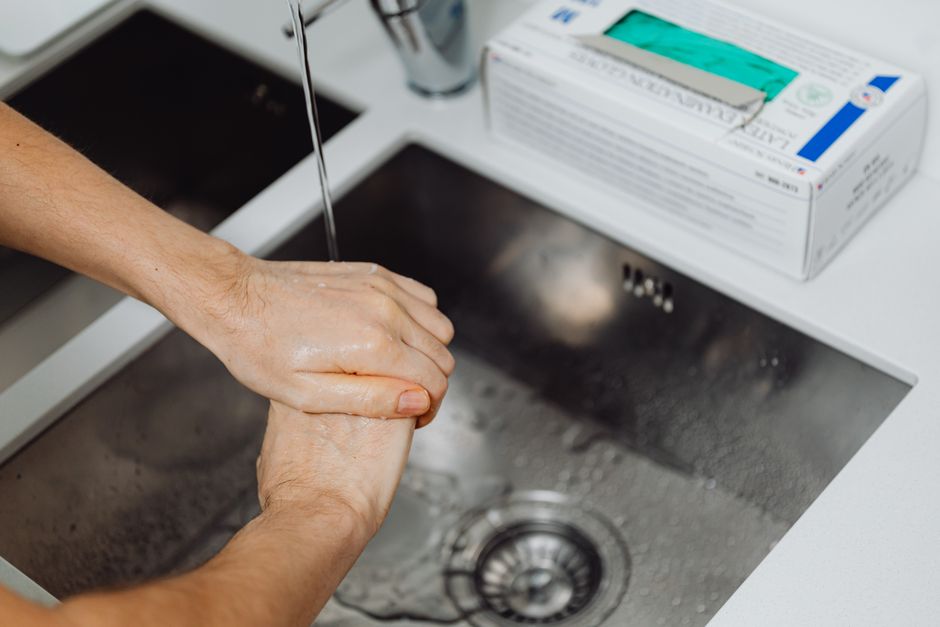
Clean. Wash hands with soap and water for at least 20 seconds before and after handling food, especially raw meat. Wash cutting boards, knives, and counters with hot soapy water after they touch raw animal products. Replace sponges often, or sanitize them regularly.
Separate. Use separate cutting boards for raw meat and for produce. Keep raw meat, poultry, and seafood away from other foods in your shopping cart, bags, and refrigerator. Store raw meat on the bottom shelf so juices cannot drip onto foods below.
Cook. Use a food thermometer to confirm safe internal temperatures. This is the only reliable way to know that bacteria in raw food have been killed. Visual cues like color and texture are not reliable indicators of safety.
Chill. Refrigerate perishable foods promptly. Bacteria multiply fastest at room temperature, so the time food spends between the stove and the fridge matters.
One point worth clarifying: rinsing raw chicken before cooking does not make it safer. It splashes bacteria onto nearby surfaces, spreading contamination rather than reducing it. Public health agencies advise against washing raw poultry for this reason.
Does Cross Contamination Only Happen With Raw Meat?
No. Raw meat gets the most attention, but cross contamination applies to many foods and non-food items.
Unwashed produce can carry germs from soil or handling. If you cut unwashed melon with a knife, the blade carries bacteria from the rind into the flesh you eat. Allergens are another form of cross contamination — a utensil used with peanut butter can transfer enough protein to trigger a reaction in someone with a peanut allergy. Even non-food items like phones, reusable bags, and dish towels can act as carriers.
This is why the same principles apply whether you are cooking meat, preparing a salad, or handling food for someone with a food allergy.
Frequently Asked Questions
What is the main difference between direct and cross contamination?
Direct contamination moves a germ or hazard straight from its original source into food. Cross contamination moves it indirectly through hands, tools, surfaces, or other foods.
Can cross contamination happen in the refrigerator?
Yes. Raw meat juices can drip onto foods stored below and contaminate them. Storing raw meat on the bottom shelf in a sealed container reduces this risk.
Is rinsing raw chicken a good way to prevent contamination?
No. Rinsing raw chicken splashes bacteria onto counters, sinks, and nearby food, which spreads contamination instead of reducing it. Cooking to a safe internal temperature is the reliable way to kill bacteria.
Who is most at risk from food contamination?
Adults over 65, children under 5, pregnant women, and people with weakened immune systems face the highest risk of serious illness. For these groups, food safety habits matter most.
