
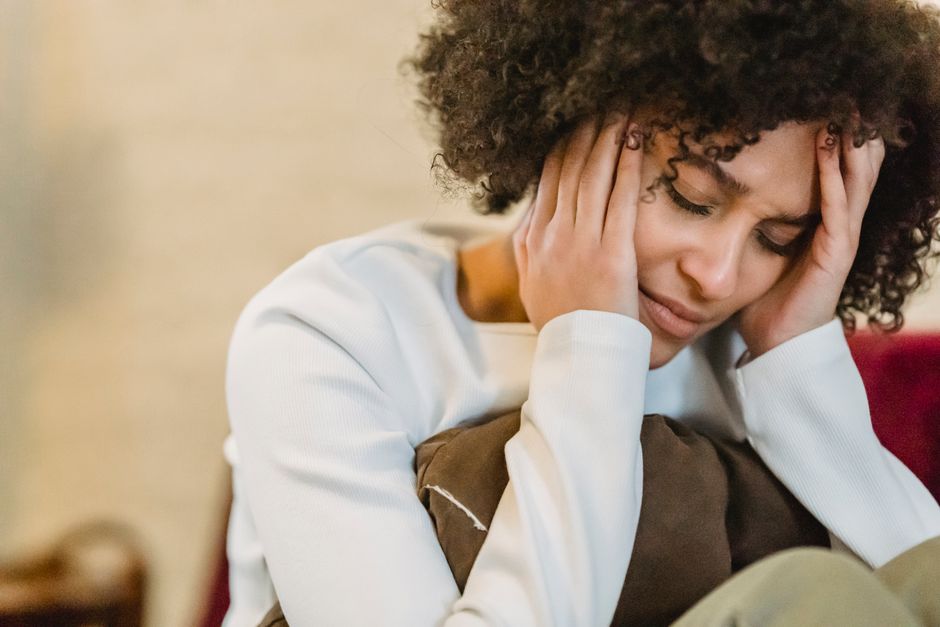
Depression can affect hair in two directions. The illness itself, and the stress and poor self-care that often come with it, can contribute to hair shedding. And the shame many people feel about how they look during a depressive episode can make them withdraw from the very people who might help. Hair loss is not a symptom used to diagnose depression, and it is not a reason to feel ashamed.
The link works mainly through stress biology and daily habits, not through depression “attacking” the hair follicle directly. Understanding that chain of events can reduce self-blame. It can also help you and a clinician sort out which factors are treatable.
What Is Depression Hair Risks Shame And Care Tips?
The phrase points to a real cluster of concerns: hair changes that can accompany depression, the shame attached to visible changes, and practical steps that help. The core fact is that depression does not damage hair follicles in any direct, predictable way. What it does is change the conditions hair grows in — sleep, eating, stress hormones, and how a person cares for themselves.
Many people notice more shedding, duller hair, or a change in texture during a depressive episode. Sometimes the cause is clear. Sometimes several factors overlap. Sorting them out is a medical task, not a character test.
Can Depression Cause Hair Loss?
Depression is not a recognized direct cause of hair loss, but it is associated with conditions that can lead to shedding. The most studied of these is telogen effluvium, a temporary shedding pattern triggered by physical or emotional stress.
In telogen effluvium, a larger than usual share of hair follicles shift out of the growth phase and into the resting phase. Shedding typically appears weeks to a few months after the trigger, not immediately. That lag matters. People often blame a recent shampoo or product when the real trigger was an illness or stressful period two or three months earlier.
Depression can feed this process through chronic stress, disrupted sleep, and skipped meals. None of these is your fault, and each is addressable. It is also worth knowing that depression is frequently accompanied by anxiety, and the two together can keep the body in a sustained stress state.
Hair loss itself can then worsen mood, creating a loop. Research on hair loss and psychological distress has found that visible hair loss is linked to lower self-esteem and higher rates of anxiety and depression symptoms. The direction of cause runs both ways.
How Does Stress From Depression Affect Hair Growth?
Hair growth follows a cycle with three main phases: growth (anagen), transition, and rest (telogen), followed by shedding. Most scalp hairs are in the growth phase at any given time. Stress can push more follicles into the resting phase early, which sets up shedding later.
The mechanism involves the body’s stress response. Sustained stress raises cortisol and shifts resources toward immediate survival functions. Hair growth is not essential to survival, so it can be deprioritized. This is normal physiology, not a sign of weakness.
Two clarifications are worth making. First, ordinary day-to-day stress is not usually enough on its own to cause noticeable shedding — major stressors are the more common triggers. Second, not everyone under stress loses hair. Individual sensitivity varies, and researchers do not fully understand why.
There is also a less obvious factor: many people with depression have reduced appetite or eat irregularly. Hair follicles are among the body’s most rapidly dividing tissues, which makes them sensitive to nutrient shortfalls. Iron deficiency, for example, is a well-established contributor to hair shedding, and it is more common in people with heavy menstrual periods and in people with restricted diets.
Which Other Factors Can Cause Hair Loss Alongside Depression?
Depression rarely exists alone, and several common companions can each affect hair. Ruling these out is part of good care, because treating the wrong cause wastes time.
- Thyroid problems. Both an underactive and an overactive thyroid can cause hair shedding. Thyroid conditions are more common in people with depression and are diagnosed with a simple blood test.
- Iron deficiency. Low iron stores are linked to shedding, and testing ferritin levels is standard when hair loss is evaluated.
- Medications. Some antidepressants and other psychiatric medications can contribute to shedding in some people. This is not common with most modern antidepressants, but it is a recognized possibility and worth discussing with a prescriber rather than stopping a medication on your own.
- Poor nutrition. Low protein intake, crash dieting, and very restricted eating can all trigger shedding.
- Sleep disruption. Chronic poor sleep is common in depression and adds to the body’s stress load.
- Other medical conditions. Skin conditions of the scalp, hormonal changes, and autoimmune conditions can cause hair loss that has nothing to do with mood.
Because these overlap so much, a clinician evaluating hair loss will usually ask about mood, diet, sleep, and medications together. That is not intrusiveness. It is how the pieces get connected.
Why Does Hair Loss Feel So Shameful?
Hair is tied to identity, and losing it can feel like losing part of how you present yourself to the world. That is a real loss, and it deserves to be treated as one rather than dismissed.
Shame is different from sadness. Sadness says “this is hard.” Shame says “there is something wrong with me.” In depression, shame tends to run louder and attach to more things — appearance, energy, the state of your home, the fact that you have not replied to messages.
Hair changes can become a visible marker of an invisible illness. Some people avoid mirrors. Others avoid social events, or wear hats to work. Withdrawal then reduces contact with supportive people, which can deepen the depression. This loop is well recognized in mental health care.
One thing worth naming: hair loss is common. It affects people across all ages and genders, and a large share of adults experience some form of it. It is not a personal failing, and it is not a sign that you have handled your depression badly.
What Care Tips Actually Help?
The most effective approach addresses both the mood and the hair, because they are connected. Neither one should be ignored while waiting for the other to resolve.
Talk to a professional about the depression
Depression is treatable, and treatment often improves the daily habits that support hair health. Psychotherapy and medication are both well-established options. A primary care clinician is a reasonable first stop and can also order basic tests for thyroid and iron.
Get hair loss properly evaluated
Ask a clinician or dermatologist to look at the pattern and timing of shedding. Telogen effluvium, iron deficiency, thyroid disease, and other causes look different and have different treatments. A blood test is often part of this.
Protect the basics when energy is low
When depression makes everything feel heavy, lower the bar rather than abandoning it. Small consistent actions matter more than perfect ones.
- Eat something with protein at meals when you can. Eggs, beans, yogurt, and canned fish are low-effort options.
- Wash hair when you can, even if less often than usual. Gentle shampoo and conditioner are enough; harsh routines are not required.
- Avoid tight hairstyles that pull on the scalp, which can cause a separate type of hair loss over time.
- Skip crash diets. Rapid weight loss is a known trigger for shedding.
- Ask for help with grooming if it feels overwhelming. A friend, family member, or barber can help without judgment.
Reduce the shame load
Shame thrives in silence. Telling one trusted person what you are dealing with often reduces its grip. If that feels too hard, writing it down or raising it with a therapist are valid first steps.
Be careful with products marketed for “stress-related hair loss.” No clinical evidence currently confirms that most of these supplements and treatments work for depression-related shedding. Some contain high doses of nutrients that can interact with medications. Check with a clinician before starting anything.
When Should You See a Doctor?
See a clinician if you notice sudden or patchy hair loss, scalp itching or redness, or shedding that continues for several months. These patterns can point to causes other than stress, and some need specific treatment.
Also seek help promptly if depression symptoms are severe, if you are having thoughts of harming yourself, or if you are unable to care for your basic needs. In the US, you can call or text 988 to reach the Suicide and Crisis Lifeline at any time.
Hair usually regrows once the trigger resolves, but the timeline varies and can take months. That waiting period is frustrating. It is also normal, and it is not a sign that nothing is working.
Frequently Asked Questions
Can depression make your hair fall out?
Depression is not a direct cause of hair loss, but the stress, poor sleep, and irregular eating that often come with it can trigger temporary shedding. A clinician can help identify which factors are involved.
Will my hair grow back after depression-related shedding?
In most cases of stress-related shedding, hair regrows once the trigger resolves, though it can take several months. If shedding continues or is patchy, get it evaluated to rule out other causes.
Do antidepressants cause hair loss?
Hair shedding is a recognized but uncommon side effect of some antidepressants, and it varies by medication. Do not stop a medication on your own; talk to your prescriber about options.
What vitamins help with hair loss from stress?
No vitamin reliably reverses stress-related shedding unless you have a diagnosed deficiency, such as low iron. Testing before supplementing is the safer approach.
