
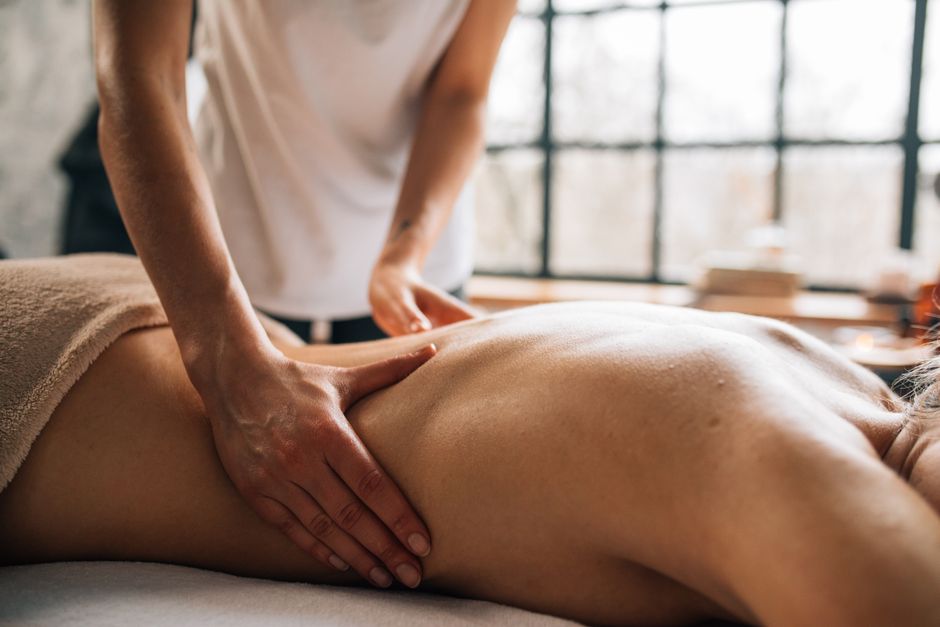
Deep tissue massage is a type of massage that targets the deeper layers of muscle and the connective tissue around them. It uses slow, firm strokes and sustained pressure to reach tissue below the surface. It is not simply a harder version of Swedish massage — the technique and intent are different.
Most people meet deep tissue massage through muscle pain, stiffness, or recovery from physical strain. It has real uses, real limits, and a few honest cautions. This guide covers what the technique actually is, what research does and does not support, and what a first session is really like.
What Is Deep Tissue Massage?
Deep tissue massage is a hands-on technique that applies sustained pressure to deeper muscle layers and the fascia — the thin sheet of connective tissue that wraps muscles and organs. The therapist works slowly, often using fingers, knuckles, forearms, or elbows, and keeps pressure on specific areas for longer than in a lighter massage.
The defining feature is not force. It is depth and slowness. A skilled therapist works with the tissue rather than against it, adjusting pressure as the muscle responds. More pressure is not automatically better, and a good therapist will say so.
Deep tissue massage is usually described as a form of massage therapy rather than a distinct medical treatment. It sits within the broader field of manual therapy, which includes several hands-on techniques that share some goals but differ in method.
How Is Deep Tissue Massage Different From Swedish Massage?
Swedish massage is the most common relaxation-focused style. It uses lighter, flowing strokes, kneading, and rhythmic movements across the whole body. The goal is usually relaxation and general circulation, and the pressure is gentle to moderate.
Deep tissue massage is more targeted. The therapist focuses on specific areas of tension, works more slowly, and applies firmer pressure across the muscle fibers rather than along them. Sessions often concentrate on a few problem areas rather than covering the whole body.
Neither style is inherently better. They serve different purposes. Swedish massage suits general relaxation and stress relief. Deep tissue massage is chosen by people with localized tightness, ongoing muscle pain, or recovery goals.
What Does the Science Say About Deep Tissue Massage?
Research on deep tissue massage specifically is limited. Most studies look at massage therapy as a broad category, and results vary depending on the condition, the technique, and how outcomes are measured.
Some studies suggest massage can reduce short-term muscle soreness after exercise and improve perceived relaxation. Evidence indicates massage may help with short-term pain relief and a sense of reduced tension in some musculoskeletal conditions. The effects are generally modest and often temporary.
What research does not support is the idea that deep tissue massage “breaks up” scar tissue, “releases toxins,” or corrects long-term structural problems. These claims appear often in marketing. No clinical evidence currently confirms them.
One clarification worth knowing: muscle “knots” are not literal knots. They are areas of increased tension or trigger points that feel tender and tight. Massage can make these areas feel less tender, but the underlying mechanism is not fully understood.
What Happens During a Deep Tissue Massage Session?
A first session usually begins with a short conversation about your goals, health history, and any areas of pain. The therapist will ask about injuries, medical conditions, and medications. Answer honestly — this shapes what is safe to do.
You will undress to your comfort level and be covered with a sheet throughout. Only the area being worked on is exposed. You can keep underwear on if you prefer. Most therapists work on you lying face down, then face up.
During the massage, the therapist applies slow, sustained pressure to specific areas. Some pressure may feel intense but should not be sharply painful. Communication is expected. If pressure is too much, say so — the therapist can adjust.
Afterward, some people feel relaxed and looser. Others feel mild soreness for a day or two, similar to after exercise. This is common and usually settles on its own.
Is Deep Tissue Massage Safe? What Are the Risks?
For most healthy adults, deep tissue massage is generally considered low risk. The most common side effects are temporary soreness, mild bruising, and tenderness in the treated areas. These usually fade within a day or two.
There are situations where deep tissue massage should be avoided or discussed with a doctor first. These include:
- Recent injuries, fractures, or surgery in the area
- Blood clots or a history of clotting disorders
- Bleeding disorders or use of blood-thinning medication
- Skin infections, open wounds, or rashes in the area
- Certain cancers or active treatment
- Pregnancy — check with your provider before deep pressure work
Pressure over the front of the neck, the spine itself, and areas of numbness or nerve pain should be approached with caution. A responsible therapist will ask about these and adjust accordingly.
If you have a medical condition, are pregnant, or take prescription medication, talk to your doctor before booking a deep tissue session. This is not a formality — some conditions genuinely change what is safe.
What Should Beginners Expect From Their First Session?
Expect a conversation before the massage starts. Expect to be asked about pain, injuries, and what you hope to get from the session. Expect the therapist to check in during the massage about pressure.
Expect some discomfort during deeper work, but not sharp pain. Deep tissue massage is not meant to hurt. If it does, tell the therapist. Soreness afterward is common; sharp pain during a session is a signal to ease off.
Expect the session to last around 45 to 90 minutes depending on what you book. Expect to feel relaxed or slightly sore afterward. Drink water as you normally would — there is no evidence that massage requires extra hydration to “flush toxins.”
If it is your first time, tell the therapist. A good practitioner will start lighter and build up as you both learn how your body responds.
How Often Should You Get Deep Tissue Massage?
There is no established clinical guideline for how often to get deep tissue massage. Frequency depends on your goals, your response, and your budget. Some people book sessions weekly for a short period; others go monthly or occasionally.
For general muscle tension, many therapists suggest starting with one session and seeing how you feel over the following days. If it helps and you want to continue, spacing sessions out is reasonable. More frequent sessions are not automatically more effective.
If you are using massage for a specific injury or chronic pain condition, talk to your doctor or physical therapist about how massage fits into a broader plan. Massage is generally a supportive measure, not a standalone treatment.
Does Deep Tissue Massage Actually Help With Pain?
Some evidence suggests massage can provide short-term relief for certain types of muscle and joint pain. The effects tend to be modest and temporary, and research on deep tissue massage specifically is limited.
For chronic pain conditions, massage is sometimes used alongside other approaches such as physical therapy, exercise, and medical care. It is not a replacement for those. Some clinicians recommend massage as part of a broader pain management plan; the evidence for long-term benefit is not strong.
What is clearer is that massage can help people feel more relaxed and less tense in the short term. That has value. But it should not be presented as a cure for chronic pain, injury, or structural problems.
Common Myths About Deep Tissue Massage
Several claims about deep tissue massage circulate widely and are not supported by evidence.
- “It releases toxins.” No clinical evidence supports this. The body clears waste through the liver and kidneys, not through massage.
- “It breaks up scar tissue.” Massage may make scar tissue feel more comfortable, but there is no strong evidence it breaks it down.
- “Deeper is always better.” Pressure should match what the tissue can handle. Excessive force can cause bruising and soreness without added benefit.
- “It fixes posture permanently.” Massage may temporarily ease tension, but lasting postural change usually requires exercise and movement work.
None of this means massage is useless. It means the honest benefits are more modest than the marketing suggests.
How Do You Choose a Qualified Massage Therapist?
Look for a licensed or certified massage therapist. Licensing requirements vary by state, so check what applies where you live. A therapist should be willing to discuss their training and experience.
Ask whether they have experience with your specific concern — for example, sports recovery, chronic tension, or pregnancy. A good therapist will ask questions about your health and will not promise to cure anything.
Trust your instincts. If a therapist pressures you to accept more pain than you are comfortable with, or makes claims that sound too good to be true, that is a reason to look elsewhere.
Frequently Asked Questions
Is deep tissue massage painful?
It can feel intense, but it should not be sharply painful. Tell the therapist if pressure is too much so they can adjust.
How long does a deep tissue massage take?
Most sessions run 45 to 90 minutes depending on what you book. Your first session may include extra time for a health consultation.
Can I get deep tissue massage while pregnant?
Talk to your doctor before booking deep pressure work during pregnancy. Some providers advise caution, especially in early pregnancy and on certain areas.
Should I drink water after a deep tissue massage?
Drink water as you normally would — there is no evidence that massage requires extra hydration to flush out toxins.
